


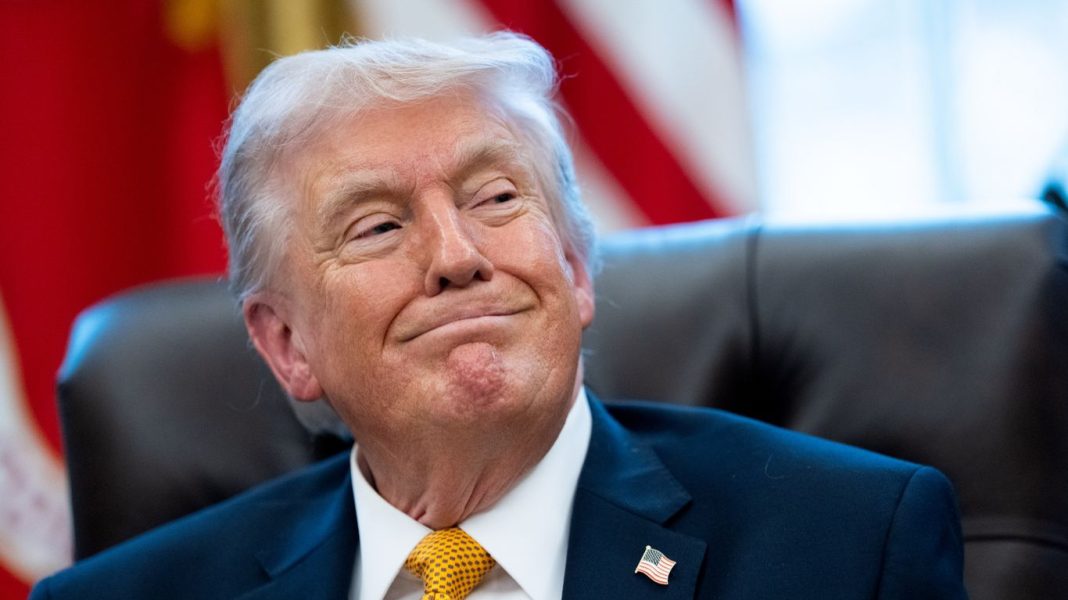
When news breaks about another massive airline merger, our minds usually jump to the obvious: what does it mean for ticket prices? Will my favorite routes disappear? How will this impact my loyalty points? But what if the real story behind these high-flying corporate maneuvers has less to do with market share or cost synergies, and everything to do with a political figure? According to Axios, that’s precisely the case with the current flurry of airline consolidation efforts – it’s all about Trump.
The Unexpected Political Engine Driving Deals
On the surface, mega-mergers are textbook capitalism: companies combine forces to achieve greater efficiency, expand their reach, and reduce competition. However, the current landscape for such deals is anything but straightforward. The Biden administration’s Department of Justice (DOJ) and Federal Trade Commission (FTC) have adopted a notably aggressive stance on antitrust enforcement, challenging numerous proposed mergers across various industries, including airlines. This has created a bottleneck, making it harder for companies to get big deals approved.
Enter the Trump factor. Axios’s reporting suggests that the mere prospect of a potential second Trump presidency is a significant undercurrent in the boardrooms planning these colossal corporate unions. It’s a calculation that introduces a layer of political speculation rarely seen so explicitly in business strategy. Companies aren’t just looking at quarterly earnings; they’re trying to predict the regulatory winds of a future political era.
Anticipating a Shifting Regulatory Climate
Why would a former president, not currently in office, exert such influence over multi-billion-dollar business decisions? The answer lies in the anticipated shift in antitrust philosophy. During his first term, the Trump administration was generally seen as more laissez-faire when it came to corporate mergers, often favoring deregulation and a less interventionist approach from federal agencies. This contrasts sharply with the current administration’s active challenge of corporate consolidation, driven by concerns about competition and consumer welfare.
For airline executives and their legal teams, this creates a complex dilemma. Do they push aggressively now, hoping to finalize deals under the current, albeit challenging, regulatory environment? Or do they gamble on waiting, anticipating a more permissive environment if Trump returns to power, while simultaneously facing the risk of unexpected shifts or delays? The uncertainty itself becomes a powerful driver, compelling companies to make strategic choices with a keen eye on the political calendar.
“It’s not just about who’s in the White House, but the philosophy that pervades the regulatory bodies,” says Dr. Elena Petrova, a political economy analyst. “Business leaders are trying to read tea leaves that are constantly being stirred by the political winds, and Trump’s influence on those winds is undeniable, even when he’s not actively in office.” This anticipation is shaping not just the timing of merger announcements, but also how these deals are structured and presented to regulators, often with a defensive strategy already baked in against potential future political headwinds.
The Stakes Beyond the Boardroom
While the focus might be on political calculus and corporate strategy, the outcome of these merger gambits has tangible impacts on everyday consumers. Fewer airlines generally mean less competition, which can lead to higher fares, fewer route options, and potentially a decline in service quality. When major business decisions are heavily influenced by political speculation, it underscores how deeply intertwined our economic realities are with the fluctuating tides of partisan power.
So, the next time you hear about another airline mega-merger, remember that the conversations in corporate boardrooms might be tracking election polls and political rhetoric just as closely as they monitor passenger numbers and fuel costs. Axios’s insight reminds us that some of the biggest business stories of our time are, at their heart, profound political sagas.

