


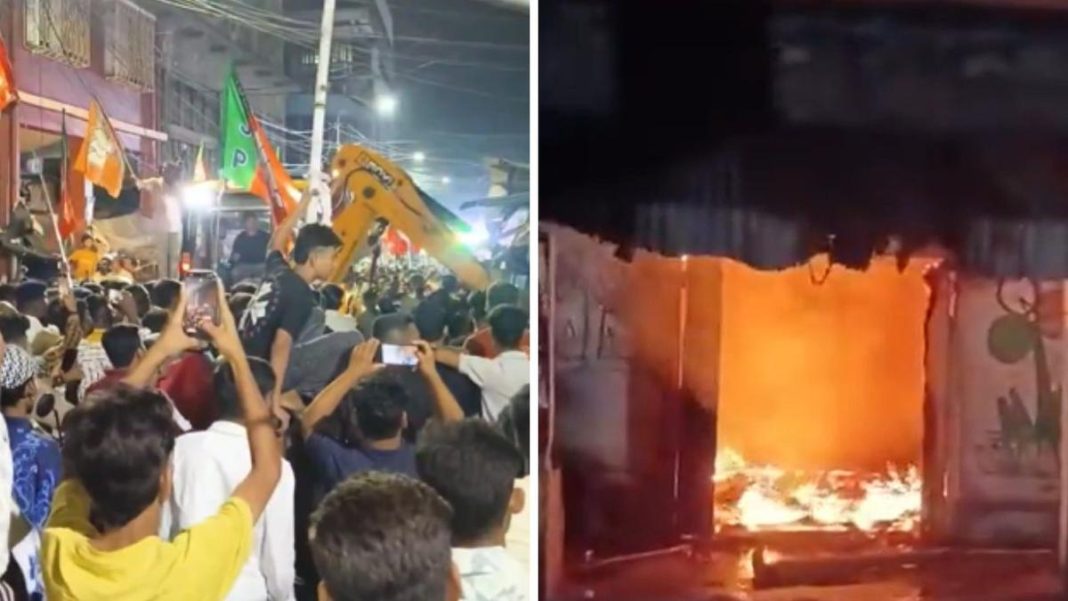
Kolkata, a city renowned for its rich history, vibrant culture, and bustling street life, has recently found itself at the nexus of urban development and local livelihoods. Tensions have markedly escalated in the heart of the city following a demolition drive that saw structures razed around the iconic New Market area. The sight of bulldozers in a place deeply interwoven with the city’s fabric has sparked widespread concern, distress among vendors, and a debate about the future of Kolkata’s informal economy and heritage preservation.
The Demolition Drive and Official Stance
The operation, carried out by the Kolkata Municipal Corporation (KMC) with significant police deployment, targeted what authorities described as “illegal encroachments” and “unauthorised structures” in the vicinity of the historic Hogg Market, popularly known as New Market. The drive primarily focused on dismantling makeshift stalls, temporary shops, and hawker setups that had long occupied pavements and public spaces, particularly near the main entrance and surrounding lanes.
According to KMC officials, the action was a necessary step to clear pathways, ease pedestrian movement, and address long-standing concerns about congestion, sanitation, and public safety. “These structures were not only obstructing pedestrian flow but also posing fire hazards and contributing to unsanitary conditions,” stated a KMC spokesperson, who requested anonymity due to the sensitivity of the matter. “We have issued repeated notices over the years, and this drive is a culmination of our efforts to bring order and ensure a cleaner, safer environment for both shoppers and residents.” The Corporation emphasised its commitment to urban planning and modernising the city’s infrastructure.
Livelihoods Lost, Heritage Threatened
The swiftness and scale of the demolition, however, have left hundreds of vendors, many of whom have operated in the area for decades, in a state of shock and despair. For generations, New Market has been more than just a shopping destination; it has been a vibrant ecosystem supporting countless families. From street food vendors selling local delicacies to hawkers offering everything from clothes and electronics to books and curios, these informal businesses are an intrinsic part of the market’s charm and Kolkata’s identity.
The impact on these small-scale entrepreneurs is devastating. Many claim they were given insufficient notice or that their pleas for alternative arrangements went unheard. “My family has been selling saris here for fifty years. This stall was our only source of income, supporting three generations,” lamented Sunil Das, a distraught hawker, as he surveyed the rubble of his former setup. “Where do we go now? How do we feed our children? There’s no plan for rehabilitation, just destruction.” His words echo the sentiments of many others who now face an uncertain future, their livelihoods abruptly halted.
Beyond the economic ramifications, there is a deep cultural concern. New Market, built in 1874, is a cherished landmark. Its sprawling Victorian Gothic architecture and labyrinthine passages, complemented by the bustling street vendors outside, create a unique sensory experience. Critics argue that while urban renewal is important, it must not come at the cost of erasing the city’s unique character and marginalising its informal economy. The street vendors are often seen not as encroachments, but as contributors to the very essence of what makes Kolkata, Kolkata.
Towards a Balanced Urban Future
The incident at New Market has ignited a broader discussion across Kolkata regarding urban development strategies in a city where informal markets play a crucial role. While authorities stress the need for regulation and order, activists and concerned citizens highlight the humanitarian aspect and the socio-economic contributions of these vendors. The challenge lies in finding a balanced approach that can accommodate the needs of a modern metropolis without destroying the fabric of its traditional economy and heritage.
As the dust settles, literally and figuratively, around New Market, the question remains: Can Kolkata find a way to integrate its informal sector into its urban planning without resorting to aggressive demolitions that leave thousands jobless? The path forward demands transparent dialogue, empathy, and sustainable rehabilitation policies that acknowledge the complex interplay between progress and preservation, ensuring that the city’s future growth respects its past and supports all its citizens.

