


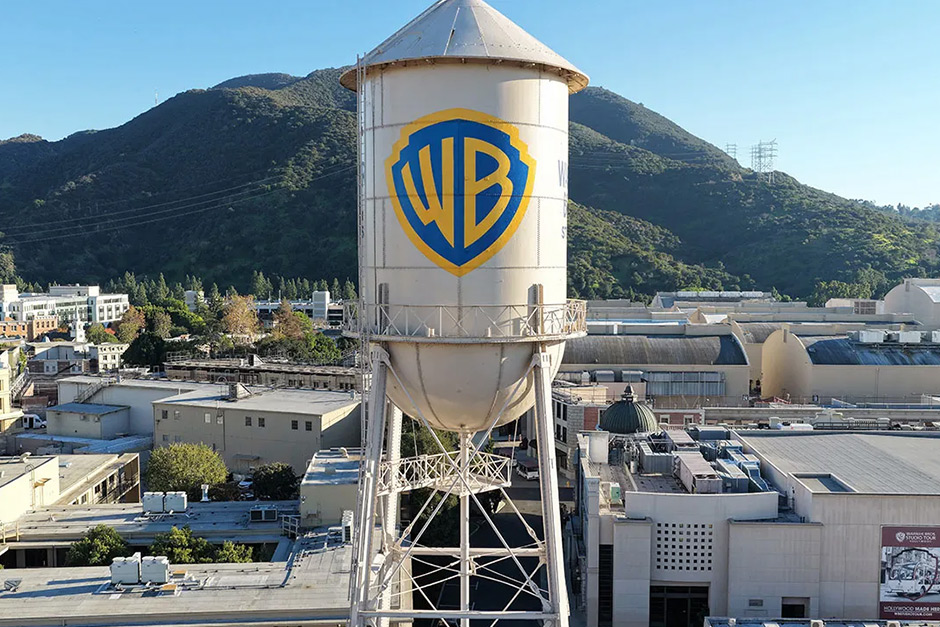
The streaming wars just got a seismic tremor. In a move that sent ripples through the entertainment industry, Netflix has reportedly backed away from a potential bid for Warner Bros. This isn’t just news; it’s a strategic retreat that dramatically reshapes the playing field, leaving an almost unimpeded path for another titan to make its move: Paramount.
For months, the rumor mill churned with whispers of Netflix eyeing the colossal Warner Bros. Discovery empire. Such an acquisition would have been monumental, instantly catapulting Netflix into an entirely new stratosphere of content ownership and intellectual property. But now, with the streaming giant reportedly stepping aside, the narrative shifts from a potential Goliath vs. Goliath showdown to a clear, open lane for Paramount to pursue a transformative takeover. This isn’t merely about who buys what; it’s about the evolving strategies, the hunger for content, and the high-stakes game of securing future relevance in a relentlessly competitive landscape.
Netflix’s Shifting Sands: A Strategic Retreat
Netflix’s decision to pull back isn’t a sign of weakness, but rather a strong indication of a recalibrated strategy. After years of aggressive growth and an “acquire everything” mentality, the company has faced new realities – increased competition, saturation in key markets, and the persistent challenge of profitability amidst massive content spending. Integrating a legacy studio the size of Warner Bros. would be an undertaking of immense complexity, requiring not just vast sums of capital but also a significant diversion of focus from their core mission.
Instead, this retreat suggests Netflix is doubling down on what it knows best: producing and licensing compelling content to fuel its global subscription model, while also exploring new revenue streams like advertising and stricter password-sharing policies. The move allows them to avoid the bureaucratic headaches, cultural clashes, and debt burden that often accompany such mega-mergers. It’s not just about what they didn’t buy, but what they’re choosing to focus on – leaner operations, optimized content, and a renewed emphasis on direct subscriber growth.
Paramount’s Golden Opportunity: A Clear Path to Power
With Netflix out of the picture, the spotlight shines brightly on Paramount. For a company that has been strategically consolidating its assets – from CBS and Showtime to Pluto TV and Paramount+ – a takeover of Warner Bros. Discovery would be nothing short of a game-changer. Imagine the combined might: the deep library of Warner Bros. films and TV shows, the DC universe, HBO’s prestige content, CNN, and all of Discovery’s factual programming, united under the Paramount umbrella.
This isn’t just about adding more content; it’s about achieving the scale necessary to truly compete with the likes of Disney, Amazon, and Apple in the global streaming and theatrical arenas. As industry analyst Maya Chen put it, “This isn’t just an acquisition; it’s a statement. Paramount could transform from a strong player into a true titan overnight, leveraging Warner Bros.’ incredible catalog to supercharge their streaming and theatrical presence.” Such a deal would provide Paramount with an unparalleled trove of intellectual property, strengthening its bargaining power, expanding its global footprint, and creating a formidable content ecosystem for decades to come.
The New Battleground: Consolidation and Creativity
The evolving saga of Warner Bros. Discovery highlights the relentless drive for consolidation in the entertainment industry. Companies are vying not just for eyeballs, but for ownership of the stories that capture them. The ability to control beloved franchises and produce a consistent stream of high-quality content is paramount. For consumers, this trend means fewer, larger ecosystems, but potentially more integrated and compelling offerings within those ecosystems.
Netflix’s retreat is a tactical decision, while Paramount’s potential pursuit is an aggressive play for dominance. Both moves reflect the intense strategic recalculations underway as media companies navigate a rapidly changing landscape. The prize? Not just market share, but the very heart of global storytelling and entertainment. The next chapter in this industry drama promises to be as compelling as any blockbuster.

