


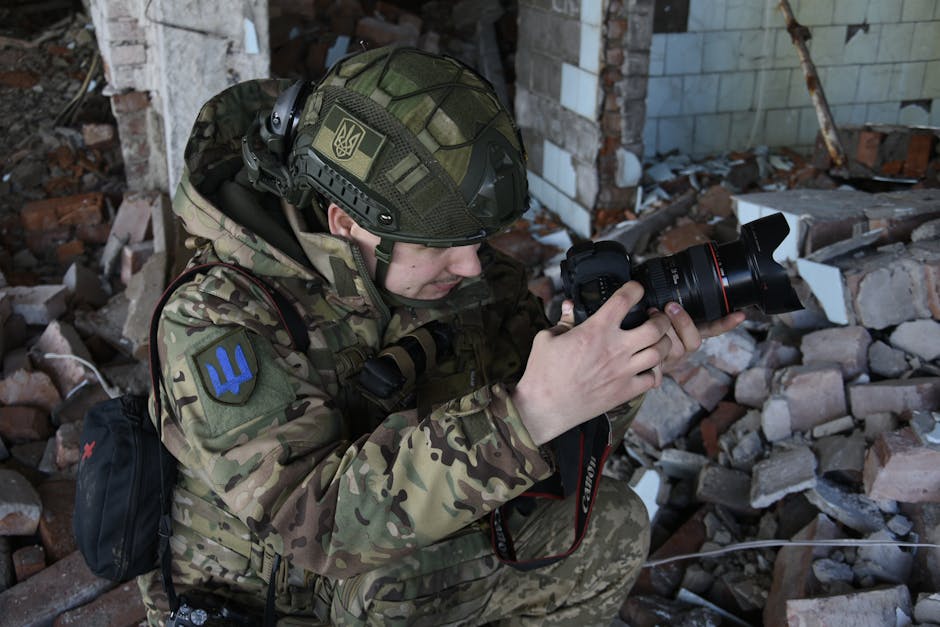
In a significant turn of events concerning the ongoing conflict, reports indicate that a recent ceasefire proposal put forth by Ukraine was reportedly rejected by Russia. This rejection was closely followed by a substantial launch of drones, marking a continuation of military activities rather than a de-escalation. Such developments highlight the complex and often unpredictable nature of the current geopolitical landscape, underscoring the deep divisions that persist despite calls for peace.
The Ceasefire Overture
The proposal from Ukraine reportedly sought a temporary cessation of hostilities, a common diplomatic tool aimed at creating space for negotiations, humanitarian corridors, or simply a pause in the fighting. Ceasefire agreements, even temporary ones, often represent a glimmer of hope for de-escalation and can be crucial for humanitarian efforts, allowing aid to reach affected populations and providing opportunities for civilians to seek safety. While the specific terms of Ukraine’s offer were not fully detailed in public reports, such proposals generally aim to create a conducive environment for dialogue and reduce immediate casualties.
Russia’s Response and Subsequent Actions
Russia’s reported rejection of the ceasefire offer signals an unwillingness to pause military operations at this juncture. Instead of embracing the proposed halt, the situation escalated with the launch of what was described as dozens of drones. These unmanned aerial vehicles reportedly targeted various locations, including infrastructure and residential areas, underscoring a continued focus on military pressure. The use of drones has become a prevalent tactic in modern conflicts, offering a relatively low-cost method for reconnaissance, surveillance, and direct attacks, often aimed at disrupting supply lines, damaging critical infrastructure, or exerting psychological pressure.
Commenting on the sequence of events, one regional analyst observed, “This pattern, where diplomatic overtures are met with intensified military action, suggests a strategic calculus aimed at maintaining momentum or achieving specific objectives before considering any pauses. It indicates a prioritization of battlefield dynamics over immediate diplomatic opportunities.” This perspective highlights the ongoing tension between military objectives and diplomatic efforts.
Implications for the Conflict Trajectory
The rejection of a ceasefire followed by drone attacks carries several implications for the future direction of the conflict. Firstly, it suggests that the parties remain far apart on fundamental issues, with little common ground for immediate de-escalation. For Ukraine, the rejection likely reinforces the perception that military pressure is Russia’s primary focus. For Russia, continuing military operations, including drone strikes, could be seen as a way to maintain strategic advantage, degrade Ukrainian capabilities, or press for more favorable terms in any potential future negotiations.
Furthermore, the persistent use of drones underscores the evolving nature of warfare. These platforms offer significant strategic advantages, allowing for precision strikes and widespread targeting without risking manned aircraft. Their deployment in such numbers after a rejected peace offer sends a clear message about the intent to sustain military pressure and indicates that the conflict is unlikely to move towards a comprehensive de-escalation in the immediate future.
The reported rejection of Ukraine’s ceasefire offer, swiftly followed by extensive drone launches, marks a pivotal moment, signaling a continued emphasis on military action over immediate diplomatic pauses. This development underscores the formidable challenges to achieving de-escalation and peace, suggesting that the conflict’s trajectory will likely continue to be defined by sustained military engagement and strategic maneuvers rather than a swift transition to negotiation.

