


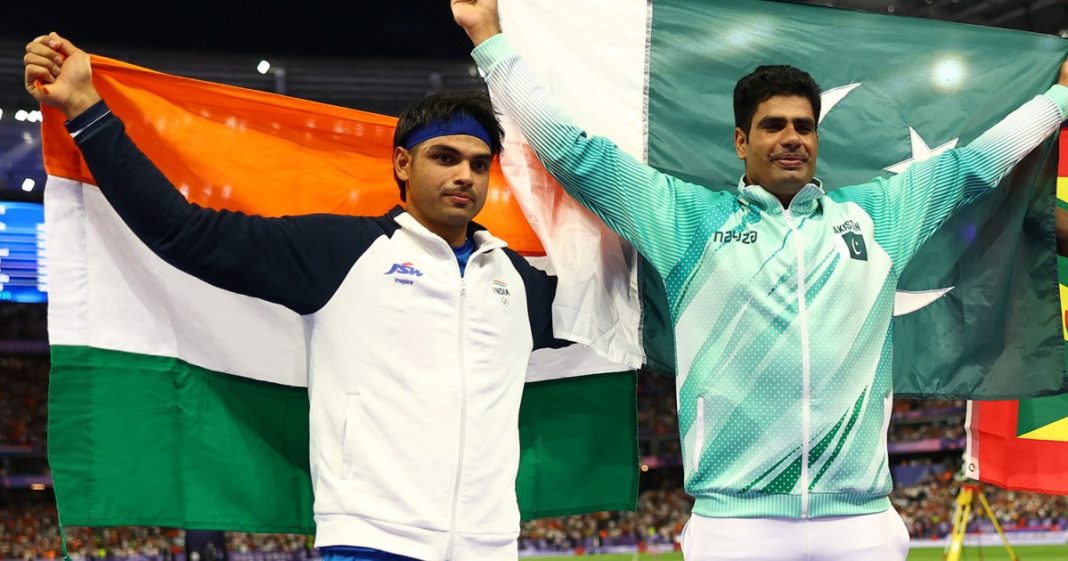
In a diplomatic landscape often characterised by cautious steps and nuanced interactions, a recent development has caught the attention of observers on both sides of the India-Pakistan border: the consistent allowance of Pakistani athletes to participate in multilateral sporting events hosted by India. While bilateral cricket series remain a distant dream, and political tensions frequently overshadow cultural exchanges, India’s stance on multilateral sports events demonstrates a pragmatic approach, earning the headline, ‘It’s not cricket: Pakistan athletes allowed in India for multilateral sport’.
This phrase, a classic idiom denoting unfairness or an unexpected deviation from norms, is deliberately ironic here. It highlights the stark contrast between the often-strained bilateral sporting ties, particularly in cricket, and India’s unwavering commitment to international sporting protocols when hosting multi-nation tournaments. This isn’t a new policy but rather a consistent adherence to global sporting charters, often overshadowed by the larger narrative of India-Pakistan relations. For TrendLyric.com, understanding this distinction is crucial to grasping India’s diplomatic and sporting posture.
Adhering to Global Sporting Norms: India’s Stance
India, as a signatory to numerous international sporting conventions and a frequent host of major global tournaments, operates under a clear framework. When an international sports federation mandates the participation of all member nations for a multilateral event, India, as the host, is obligated to facilitate their entry. This includes issuing visas to athletes and support staff from Pakistan, provided they meet the standard visa requirements. This policy is not a gesture of bilateral goodwill but a fundamental commitment to the spirit of sport and international hosting responsibilities.
The Ministry of External Affairs (MEA) and the Ministry of Home Affairs (MHA) work in tandem to process these applications, ensuring that while security concerns are addressed, legitimate participants are not denied access. This pragmatic approach differentiates between politically charged bilateral engagements and the overarching principles of fair play and universal participation inherent in events like the Asian Games, World Cups in various disciplines, or Olympic qualifiers. India’s desire to bid for and successfully host more prestigious international events, including potentially the Olympics, necessitates an impeccable record of welcoming all eligible nations.
Beyond the Boundary: Sports as a Subtle Diplomatic Channel
While these interactions are not indicative of a broader thaw in India-Pakistan relations, they certainly provide a crucial, albeit subtle, channel for people-to-people contact. Athletes from both nations share common experiences, languages, and a passion for their sport. Competing on a neutral ground, within the rules of international federations, allows for an environment where politics momentarily takes a backseat to athletic prowess. This is a point that sports analysts often highlight when discussing the unique role of sport.
“Sport, particularly in its multilateral format, serves as one of the few remaining avenues where interaction can occur with minimal political baggage. For host nations like India, upholding the principle of universal participation isn’t just about diplomacy; it’s about respecting the integrity of the game and showcasing a commitment to global sporting ideals,” noted a senior sports diplomat, underscoring the functional rather than emotional aspect of such decisions.
These interactions, however brief, contribute to a nuanced understanding beyond media narratives. They offer a glimpse of shared humanity, a reminder that while national policies are crucial, individual connections can sometimes bridge seemingly insurmountable divides. While bilateral cricket series, steeped in historical rivalry and often politicised, remain largely suspended, the consistent presence of Pakistani teams in other multilateral sports hosted by India points to a more mature and policy-driven approach to international sporting commitments.
Implications for India’s Global Sporting Ambitions
India’s consistent policy in this regard strengthens its credentials as a responsible and capable host on the global sporting stage. In an era where human rights and fair treatment of participants are under increasing scrutiny, particularly for host nations, India’s adherence to international norms for Pakistani athletes sends a strong message. It demonstrates that the nation prioritizes its commitments to international sports federations, the Olympic Charter, and the spirit of global competition, even amidst complex regional geopolitics.
This approach is vital for India’s long-term aspirations to host more marquee events. Any deviation or refusal to grant visas based on political rather than security grounds could jeopardise future bids and tarnish India’s image as a reliable host. Therefore, allowing Pakistani athletes for multilateral sports is not just a pragmatic decision but a strategic one, reinforcing India’s stature and credibility within the international sports fraternity.
Conclusion: A Nuanced Approach to Sporting Diplomacy
The consistent allowance of Pakistani athletes to participate in multilateral sporting events hosted by India is a testament to a nuanced and pragmatic foreign policy. It clearly demarcates international sporting obligations from the complexities of bilateral political relations. While the phrase ‘it’s not cricket’ often implies unfairness, in this context, it ironically underscores India’s commitment to fair play and international sporting norms – a principle that ensures all eligible nations can compete, irrespective of political tensions. This approach reinforces India’s image as a responsible global sporting power, committed to the ethos of universal participation, even as the challenging dynamics of subcontinental politics continue to evolve.

