


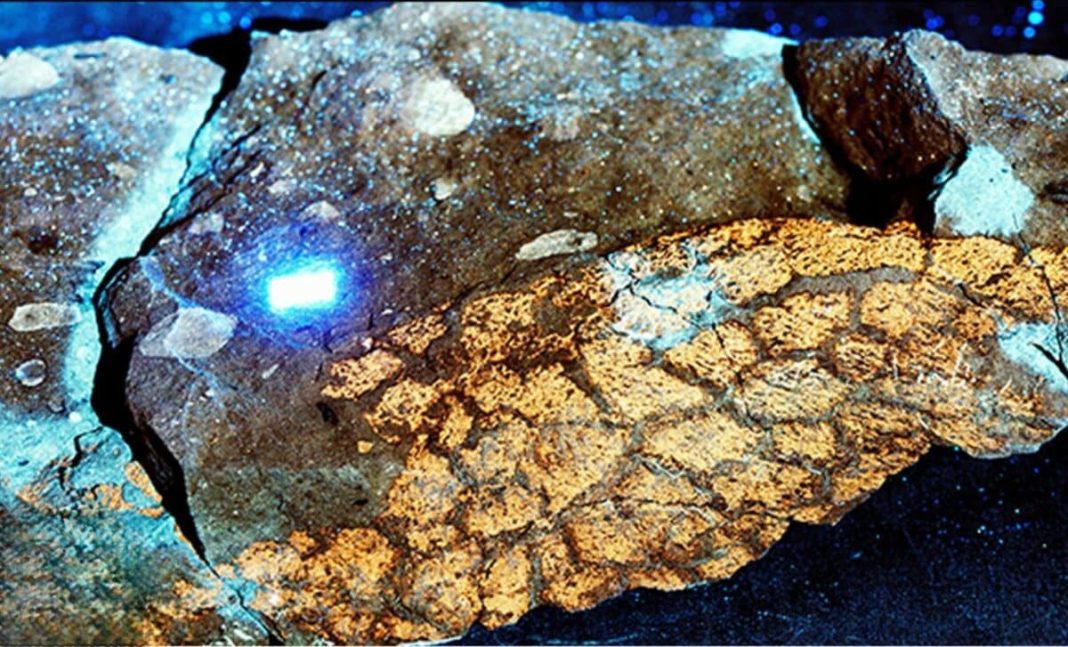
For generations, our imaginations have painted dinosaurs in various shades of grey, green, or earthy brown, based largely on guesswork and the fossilized bones that remain. The true vibrant palette of the Mesozoic era has been a tantalizing mystery, leaving us to wonder how these magnificent creatures truly looked. Now, thanks to groundbreaking scientific advancements, that prehistoric canvas is being filled with dazzling detail. Scientists are finally unveiling the long-lost true colors of dinosaurs, transforming our understanding of these ancient giants from monochromatic skeletons to living, breathing, colorful beings.
The Microscopic Clues to Ancient Hues
Unlocking dinosaur coloration wasn’t a matter of finding miraculously preserved skin – that’s an extreme rarity. Instead, the breakthrough came from examining microscopic structures called melanosomes. These tiny organelles, found within cells, are responsible for producing and storing pigment, dictating the color of skin, hair, and feathers in modern animals. Crucially, melanosomes, despite being organic, often retain their distinct shapes and arrangements even after millions of years of fossilization.
Paleontologists and molecular biologists have learned to identify these fossilized melanosomes using powerful scanning electron microscopes. By comparing their shapes, sizes, and density to those found in living birds (modern dinosaurs’ closest relatives), scientists can infer the likely colors they once produced. Spherical melanosomes, for instance, often indicate reddish-browns, while rod-shaped ones typically point to black or grey. Irregularly shaped, flattened melanosomes can even suggest iridescent qualities, much like a magpie’s shimmering feathers.
A Spectrum of Prehistoric Life Emerges
The application of this technique has already led to some astonishing discoveries, giving us a much richer visual of dinosaurs than ever before. For example, research on the small, feathered dinosaur Sinosauropteryx revealed a ginger-colored, striped tail and a dark stripe running across its eyes, suggesting a form of countershading – a common camouflage technique where an animal is darker on top and lighter underneath to blend in with varying light conditions. Another feathered dinosaur, Anchiornis, was found to have iridescent, glossy black feathers with white stripes, a crested head, and speckled forelimbs, indicating a complex display coloration. The implications are profound.
“This isn’t just about adding color to a fossil; it’s about adding a whole new dimension to our understanding of how these animals lived, interacted, and evolved,” says Dr. Elena Rodriguez, a paleontologist involved in the research. “We’re seeing evidence of camouflage, mating displays, and even warning colors, painting a much more dynamic picture of their world.”
Beyond Aesthetics: What Colors Tell Us
The ability to deduce dinosaur coloration is far more than an aesthetic curiosity. It offers invaluable insights into their behavior, ecology, and evolutionary pressures. Countershading, for instance, suggests these dinosaurs lived in environments where blending in was crucial for survival, whether as predators or prey. Bold, iridescent displays, much like those seen in modern birds, point to complex social behaviors, potentially involving elaborate courtship rituals or territorial displays. Understanding these color patterns can even help scientists infer the type of habitat a dinosaur might have occupied – a camouflage pattern suitable for dense forests would differ significantly from one for open plains.
This ongoing research bridges the gap between ancient fossils and modern biology, further solidifying the evolutionary link between dinosaurs and birds. Each new color discovered adds another brushstroke to the vivid portrait of prehistoric life, allowing us to visualize the Mesozoic era with unprecedented clarity.
The unveiling of dinosaurs’ true colors marks a significant milestone in paleontology. It reminds us that even after millions of years, the Earth still holds secrets waiting to be deciphered, continuously challenging and expanding our understanding of life’s incredible journey. As scientists continue to refine these techniques and examine more fossils, we can look forward to an ever more colorful and accurate picture of the dinosaurs that once roamed our planet.

