


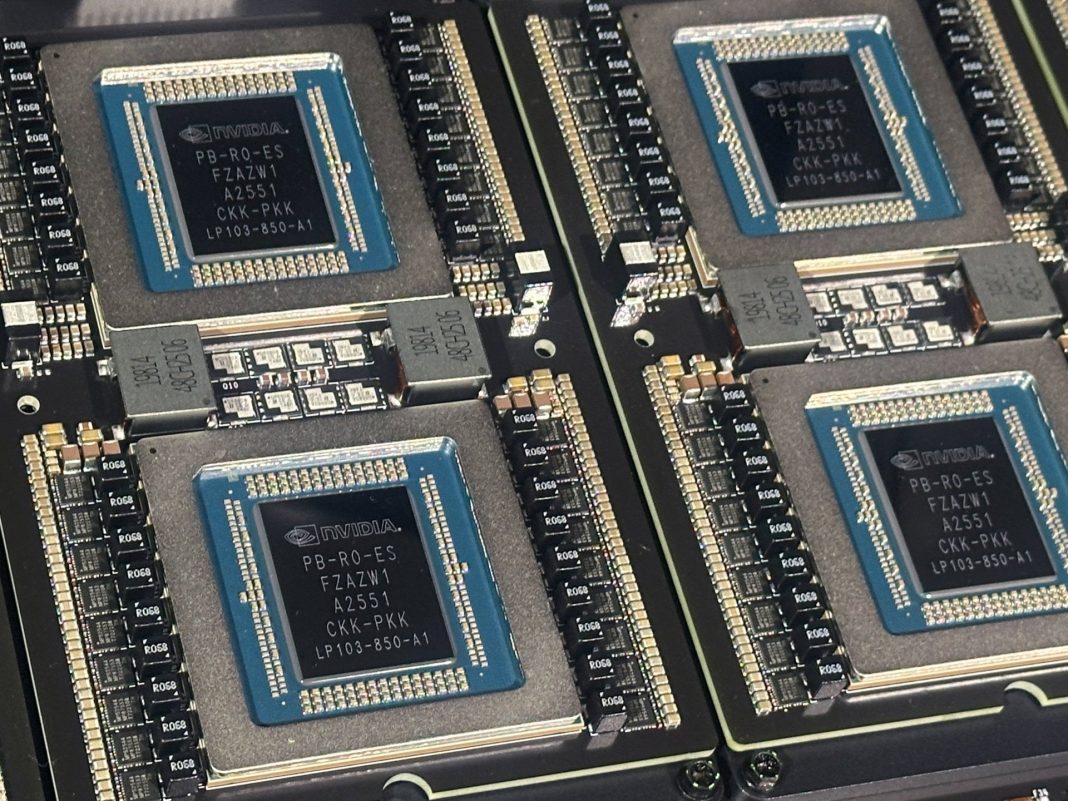
Ever heard a number that just makes your jaw drop? Here’s one: $58.3 billion. That’s the staggering profit Nvidia just announced, shattering previous records and sending ripples through the global tech landscape. It’s a sum so immense it almost feels abstract, but its origin story is anything but. This isn’t just about selling more gadgets; it’s about powering the very future being built, one lightning-fast AI chip at a time.
The Relentless Appetite for AI Power
Imagine a world hungry for intelligence – artificial intelligence, that is. From the chatbots that answer our queries to the complex algorithms driving scientific discovery, AI applications are not just growing; they’re exploding. And behind every single one of these intelligent systems lies a monumental processing challenge. Training AI models, processing vast datasets, and running intricate simulations demand computing power on an unprecedented scale. Traditional processors just can’t keep up.
This is where Nvidia’s specialized chips, primarily their Graphics Processing Units (GPUs) originally designed for high-end gaming, have found their true calling. These aren’t just incremental upgrades; they are the engines of the AI revolution, capable of performing the parallel computations AI needs with breathtaking efficiency. The demand for these silicon marvels isn’t just high; it’s insatiable, pushing Nvidia’s order books to capacity and, in turn, their profits to historic highs.
Nvidia’s Unrivaled Position in the AI Gold Rush
So, how did one company manage to corner such a pivotal market? It’s a story of foresight and sustained innovation. Decades ago, Nvidia poured resources into developing GPU technology and, crucially, a robust software platform called CUDA that makes it easier for developers to harness their GPUs’ power. This wasn’t just about hardware; it was about building an entire ecosystem.
Today, that bet is paying off spectacularly. While competitors are scrambling to catch up, Nvidia has a significant head start, an established infrastructure, and a developer community deeply integrated with their tools. It’s not an exaggeration to say that for many leading AI researchers and companies, Nvidia chips are the de facto standard, the essential ingredient without which their groundbreaking work would stall. As one veteran AI developer put it, “What Nvidia has done isn’t just about faster chips; it’s about providing the fundamental tools that allow us to even dream about the next generation of AI. They’re not just selling hardware; they’re selling possibility.”
This dominance isn’t just good business; it means Nvidia is uniquely positioned at the heart of nearly every significant AI advancement globally. They are the silent, powerful force enabling the breakthroughs we read about daily.
Beyond the Billions: A Glimpse into Tomorrow
Nvidia’s colossal profit isn’t just a corporate success story; it’s a powerful indicator of the current technological zeitgeist. It signals that AI is no longer a futuristic concept but a present-day reality, deeply embedded in our economy and society. This massive investment flowing into AI infrastructure means more innovation, faster development, and an accelerated pace of change across industries.
From healthcare and finance to entertainment and scientific research, the ripple effect of this AI boom, fueled by Nvidia’s chips, will continue to reshape our world in ways we’re only just beginning to comprehend. The $58.3 billion isn’t just a number; it’s the financial confirmation of a technological revolution in full swing, with Nvidia firmly in the driver’s seat.

