


Quick Summary
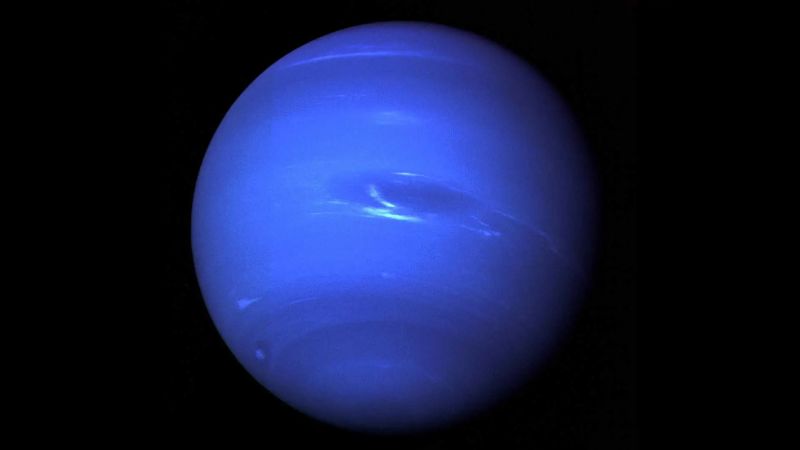
Astronomers now theorise that Neptune’s moon, Nereid, is not a captured asteroid as previously thought, but the lone intact survivor of a massive ancient collision within the planet’s system. This new understanding challenges existing models of the outer solar system’s formation.
What Happened
New scientific research indicates that Nereid’s highly eccentric and unusual orbit around Neptune is best explained by it being a remnant of a primordial collision. Billions of years ago, a catastrophic event is believed to have shattered a larger celestial body, with Nereid being the only significant fragment to remain largely intact around Neptune.
This theory suggests that other pieces of the original body were either ejected from the system or disintegrated, leaving Nereid as a unique witness to the violent early history of the Neptunian system.
Why It Matters
Understanding Nereid’s true origin provides crucial insights into the dynamic and often chaotic processes that shaped our solar system. It helps scientists refine models of planet and moon formation, especially in the turbulent outer regions.
“This discovery reshapes our understanding of Neptune’s past,” stated one astrophysicist, highlighting how such insights can unveil the hidden histories of celestial bodies.
Bottom Line
The re-evaluation of Nereid’s origins paints a dramatic picture of cosmic violence and survival. It underscores how much we are still learning about the forces that sculpted our planetary neighbourhood.

