


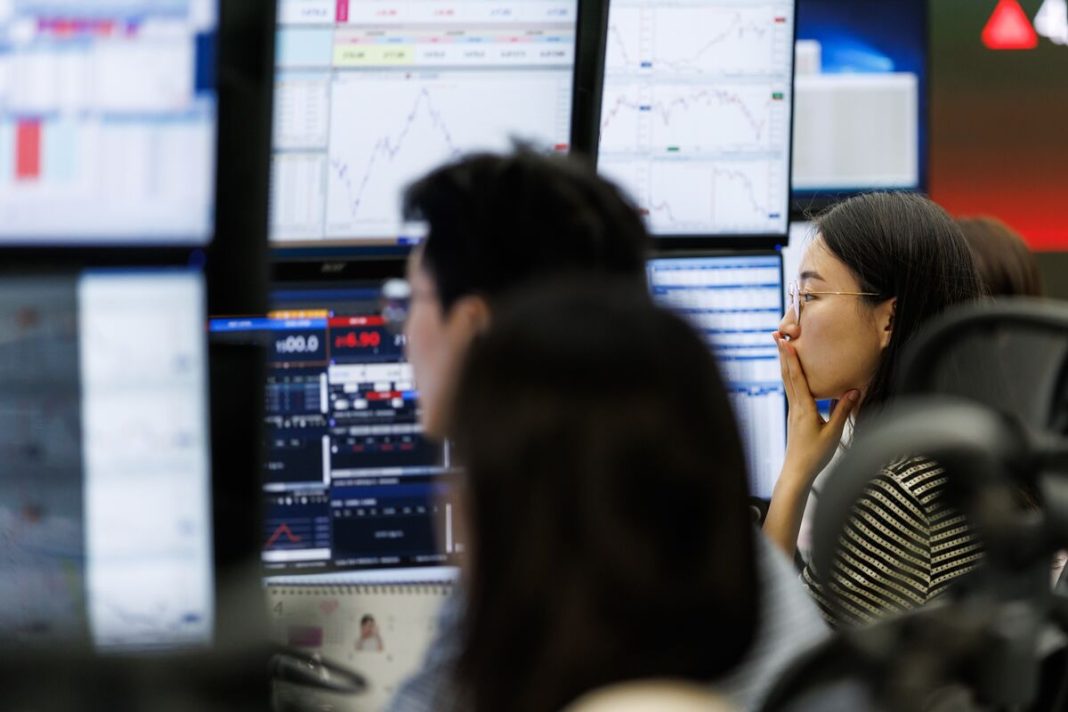
The energy in Seoul was palpable just recently as the Korean stock market reached an unprecedented peak. It was a moment that sparked conversations across dinner tables and in bustling coffee shops – a testament to the nation’s innovation and economic might. This wasn’t just another rise; it was a significant milestone, painting a picture of robust growth and promising futures. But then, almost as quickly as it ascended, the market saw a sharp correction, leaving many wondering what triggered the sudden downturn. The culprit? A significant wave of selling by foreign investors.
The Zenith and the Sudden Chill
Reaching an all-time high is a cause for celebration, a psychological boost that ripples through the economy. For Korea, it underscored a period of strong corporate earnings, technological advancements, and burgeoning global demand for its exports. Yet, the jubilant mood was short-lived. Following this celebratory peak, the market experienced a noticeable plunge. This wasn’t a slow, gentle descent; it was a more abrupt shift, primarily driven by international funds cashing out their positions.
When we talk about “foreign selling,” we’re referring to overseas investors, from large institutional funds to individual portfolio managers, deciding to sell off their holdings in Korean companies. Their collective actions can exert immense pressure on a market, especially one that has just touched new highs. It’s like a crowded theater where everyone decides to exit at once – even if there’s no immediate danger, the sheer volume of movement creates instability.
Deciphering the Foreign Exodus
So, why would international investors, who were keen to buy into the Korean market during its ascent, suddenly decide to pack up and leave? The reasons are often multi-faceted and complex, far beyond a simple “goodbye.”
One primary driver is often profit-taking. After witnessing significant gains and reaching a historical high, many investors see it as an opportune moment to lock in their profits. It’s a fundamental investment strategy: buy low, sell high. As one veteran financial analyst, Kim Min-joon, observed, “When a market hits an all-time high, it’s often a natural moment for some international investors to take profits. It’s not necessarily a vote of no confidence, but rather strategic portfolio rebalancing in a dynamic global economy.” This suggests a calculated move rather than an alarmist reaction.
Another factor could be a shift in global risk appetite. When there are uncertainties in other major economies or geopolitical tensions rise, international capital tends to flow towards perceived safer havens. This doesn’t mean Korea is inherently riskier, but rather that in a world of interconnected markets, money is constantly seeking the best balance of risk and reward. Currency fluctuations can also play a role; if the Korean Won shows signs of weakening, the returns for foreign investors, when converted back to their home currency, might diminish, prompting them to sell.
Furthermore, broader economic signals or company-specific news, even if subtle, can influence institutional decisions. Concerns about inflation, interest rate hikes, or a slowdown in key export markets might lead foreign investors to reassess the short-to-medium term outlook for Korean assets.
Beyond the Ticker Tapes: What This Means for Us
While market movements can seem abstract, confined to charts and financial news, their ripple effects are very real. A significant market plunge, especially one influenced by foreign capital flight, can impact national confidence. For corporations, it might make fundraising more challenging or influence decisions about expansion and hiring. For the everyday person, a volatile market can affect pension funds, investment portfolios, and overall economic sentiment. It’s a reminder that global economic currents are always at play, influencing even the most robust local economies.
However, it’s crucial to remember that market corrections are a natural part of any economic cycle. They test resilience, reveal underlying strengths, and often pave the way for future growth. The question now for Korea is how quickly it can absorb this foreign selling, stabilize its market, and continue its trajectory of innovation and economic leadership.

