


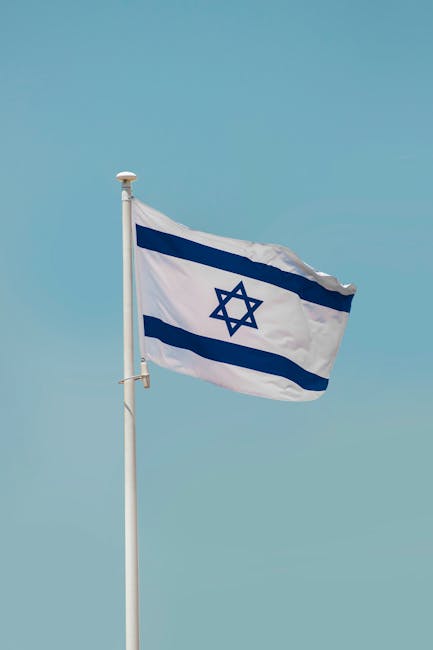
The Middle East remains a crucible of geopolitical tension, with developments often shifting rapidly and carrying profound global ramifications. In a complex interplay of diplomacy and deep-seated distrust, recent headlines highlight an extended truce between Israel and Lebanon, even as Iran’s chief negotiator, Abbas Araghchi, starkly voiced a “lack of trust” in ongoing discussions with the United States. For an emerging economic power like India, these intricate dynamics are not distant tremors but direct concerns, impacting everything from energy security to regional stability and the safety of its vast diaspora.
Regional De-escalation Meets Persistent Mistrust
Amidst a landscape fraught with proxy conflicts and heightened rhetoric, the extension of a fragile truce between Israel and Lebanon offers a glimmer of hope for localized de-escalation. This development, facilitated by international efforts, aims to cool tensions along their shared border, which has witnessed sporadic but dangerous exchanges in recent times. While a temporary calm is a welcome respite, it underscores the precarious nature of peace in a region where historical grievances and competing interests run deep.
Concurrently, the broader canvas of US-Iran relations continues to be painted with shades of skepticism. Talks aimed at de-escalating nuclear tensions and re-evaluating the Joint Comprehensive Plan of Action (JCPOA) have been punctuated by a recurring theme: Iran’s profound lack of faith in American intentions. Abbas Araghchi, Iran’s senior diplomat, recently articulated this sentiment with unwavering clarity.
“The main problem in our relationship with the US is the lack of trust,” Araghchi reportedly stated, reflecting a deep-seated suspicion stemming from past withdrawals from agreements and the imposition of crippling sanctions. “We have to make sure that whatever agreement is reached, it will be respected by all parties, especially the United States.” This sentiment highlights the formidable challenge facing negotiators: how to forge enduring commitments when the foundational bedrock of mutual trust has eroded significantly over years of strained interactions and broken promises.
For India, a nation heavily reliant on Middle Eastern oil and with significant strategic interests in ports like Chabahar, such developments are meticulously observed. Any escalation between Iran and the US could disrupt crucial shipping lanes, hike crude oil prices, and potentially endanger the lives of millions of Indian expatriates working across the Gulf region. India consistently advocates for dialogue and peaceful resolution, understanding that regional instability directly translates into economic and security vulnerabilities at home.
The US-Iran Standoff: A Dangerous Equilibrium
The current state of US-Iran relations is less a direct “war” in the conventional sense and more a perilous equilibrium of strategic competition, economic warfare, and proxy confrontations. Washington’s stated goal is to prevent Iran from developing nuclear weapons and to curb its regional influence, which it views as destabilizing. Tehran, on the other hand, asserts its right to a peaceful nuclear program and defends its regional alliances as legitimate defensive measures against perceived threats. Sanctions, cyberattacks, and targeted assassinations have become tools in this undeclared but intense struggle, keeping the region on a constant knife-edge.
The implications of this standoff extend far beyond the immediate protagonists. Global oil markets react nervously to every development, with prices prone to spikes that can cripple economies dependent on energy imports. Maritime security in vital choke points like the Strait of Hormuz remains a critical concern for international trade. For India, a major importer of crude oil, stability in the Gulf is not merely a geopolitical preference but an economic imperative. The prospect of any armed conflict, however limited, would send shockwaves through its economy, impacting inflation, trade balances, and growth projections.
India’s diplomatic approach has been one of careful balance. While maintaining strategic ties with the United States, it has also historically fostered strong relations with Iran, underscored by projects like the Chabahar Port, which provides India with a crucial access route to Afghanistan and Central Asia, bypassing Pakistan. Navigating this complex geopolitical landscape requires astute diplomacy, continuously emphasizing de-escalation and a multilateral approach to ensure regional peace and stability. The extended truce between Israel and Lebanon, despite its localized nature, offers a blueprint for what cautious diplomacy can achieve. Yet, Araghchi’s remarks serve as a potent reminder that without addressing the deeper issues of trust and mutual respect, any “truce” in the broader US-Iran context will remain inherently fragile, demanding constant vigilance from all stakeholders, including India.

