


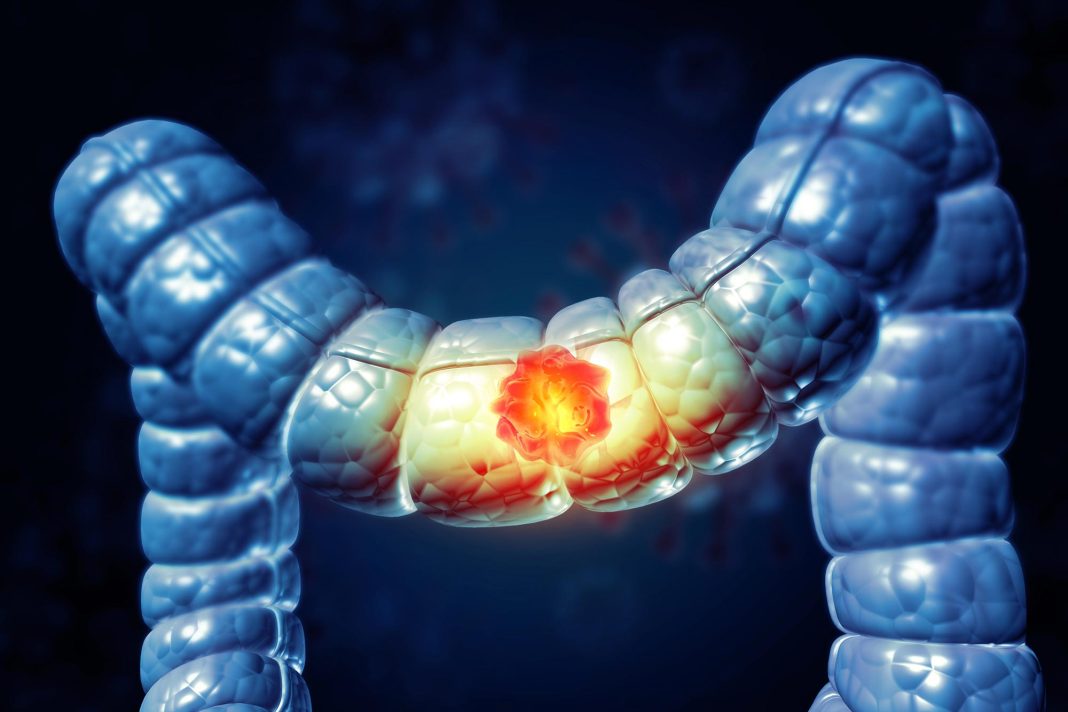
Quick Summary
Big news, folks! Researchers have finally solved a 15-year-old puzzle, figuring out how a tricky gut toxin, directly linked to cancer, gets activated. This is a massive step forward!
What Happened
For over a decade and a half, scientists knew about colibactin, a nasty toxin produced by certain gut bacteria (like some E. coli strains). This toxin is notorious for damaging DNA and promoting tumour growth, especially in the colon. But the exact ‘how’ of its activation, what makes it dangerous, remained a deep mystery.
Now, a dedicated team has pinpointed the specific enzyme responsible for ‘switching on’ this toxic chemical. It’s like finding the exact *chaabi* (key) to unlock its harmful potential, allowing it to inflict damage on our cells.
Why It Matters
This breakthrough is incredibly significant for preventing and treating cancers, particularly colorectal cancer, which is a growing concern even in India. Understanding how colibactin becomes active means we can now look for ways to block this process.
As Dr. Kavita Singh, a lead researcher, puts it, “This discovery is a game-changer; it offers a clear target to disarm a major cancer contributor in our gut.” Imagine, if we can stop this toxin in its tracks, we might prevent its harmful effects, much like stopping a mischief-maker before they create a *hangama*!
Bottom Line
Cracking this long-standing mystery opens up exciting new avenues for developing drugs or even dietary strategies to combat certain gut-related cancers. It truly offers a new ray of hope for millions.

