


Karnataka, often a bellwether for policy reforms in India, has once again charted a new course, making it the first state to implement an “alcohol-in-beverage” duty structure. This landmark move by the state government aims to rationalise excise duties by directly correlating the tax levied with the actual alcohol content in a beverage. For consumers and the liquor industry alike, this signals a significant shift, promising a recalibration of prices across a wide spectrum of alcoholic drinks, from your everyday beer to premium spirits.
The decision comes as part of the state’s broader strategy to enhance revenue generation while also subtly influencing consumption patterns. Historically, excise duties in many Indian states have been based on volume, category, or ad valorem rates, often leading to disparities and sometimes incentivising the production of cheaper, high-alcohol options. Karnataka’s new framework seeks to address these inefficiencies, promising a more transparent and equitable taxation system.
The Paradigm Shift: Understanding Alcohol-in-Beverage Duty
At its core, the alcohol-in-beverage duty structure means that the excise duty imposed on an alcoholic product will now be directly proportional to its alcohol by volume (ABV) percentage. Previously, duties might have been levied per litre or based on a slab system that didn’t always precisely reflect the alcohol content. This often meant that a beverage with slightly higher ABV within a certain slab would pay the same duty as one with lower ABV in the same slab, or that different categories were taxed very differently without a clear link to their alcoholic strength.
Under the new system, the state government is meticulously defining excise duty rates for various categories of alcoholic beverages based on their ABV. This scientific approach aims to ensure that higher alcohol content attracts higher duty, creating a more uniform playing field and potentially discouraging the production and consumption of very high-strength, low-cost alcohol products. For instance, a beer with 4.5% ABV will now be taxed differently and more precisely than one with 7% ABV, purely based on the alcohol contained within each litre.
Karnataka’s Finance Department believes this progressive taxation method will not only stabilise and potentially boost state revenues but also promote responsible drinking by making higher ABV drinks comparatively more expensive. It represents a modernisation of excise policy, aligning it more closely with global best practices where volumetric taxation based on alcohol content is common.
Navigating the Price Landscape: What Consumers and Industry Can Expect
The immediate consequence of this policy change will be a noticeable adjustment in the retail prices of various alcoholic beverages across Karnataka. While the exact revised price list will unfold as brands and retailers adjust, certain trends are highly anticipated:
Impact on Beer Prices:
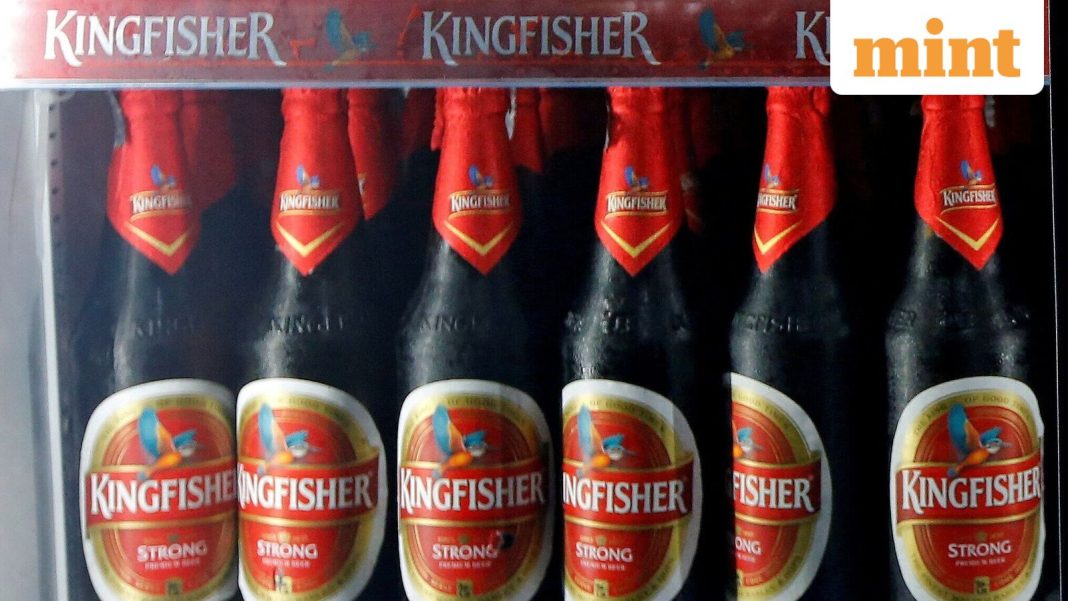
For beer enthusiasts, this change will likely translate to varied outcomes. Lighter beers, typically those with an ABV of 4% to 5%, might see a marginal price increase or remain relatively stable, depending on the previous taxation slab they fell under. However, strong beers, which often contain 7% to 8% ABV, are expected to become more expensive. Their higher alcohol content will now directly attract a higher excise duty, making them costlier for consumers.
Impact on Liquor (IMFL & Imported) Prices:
The prices of Indian Made Foreign Liquor (IMFL) and imported spirits will also be subject to revision. High-alcohol spirits like whisky, rum, vodka, and gin, especially in their premium segments, are generally expected to see upward price adjustments. While a blanket statement is difficult without specific duty slabs, the principle dictates that higher alcohol percentages will draw higher duties. Conversely, lower-ABV spirits or ready-to-drink (RTD) cocktails, which have a relatively modest alcohol content, could become comparatively more attractive on the pricing front, potentially spurring innovation in this segment.
The industry is already taking note of the implications. Manufacturers will need to reassess their product portfolios and pricing strategies. There’s a strong possibility that brands might innovate with lower ABV variants to stay competitive and cater to price-sensitive consumers. This could lead to a wider array of choices for consumers in the long run.
“This move by Karnataka is a significant step towards a more rationalised and globally aligned excise policy,” states an excise department official, who wished to remain anonymous. “While initial adjustments in pricing are expected, in the long run, it could encourage brands to innovate with lower ABV products and offer consumers a wider, more transparently priced selection, fostering both revenue stability and responsible consumption.”
In conclusion, Karnataka’s pioneering alcohol-in-beverage duty structure marks a pivotal moment in India’s excise policy. It represents a conscious shift towards a more scientific, equitable, and health-conscious taxation system. While consumers in Karnataka prepare for a recalibration of their favourite drinks’ prices, the industry braces for a new competitive landscape. This bold reform could very well serve as a blueprint for other Indian states looking to modernise their own excise frameworks, driving a nationwide discussion on alcohol taxation and its broader socio-economic impact.
As the initial ripples settle, it will be fascinating to observe how this policy impacts consumption patterns, industry innovation, and state revenues in the coming months.

