


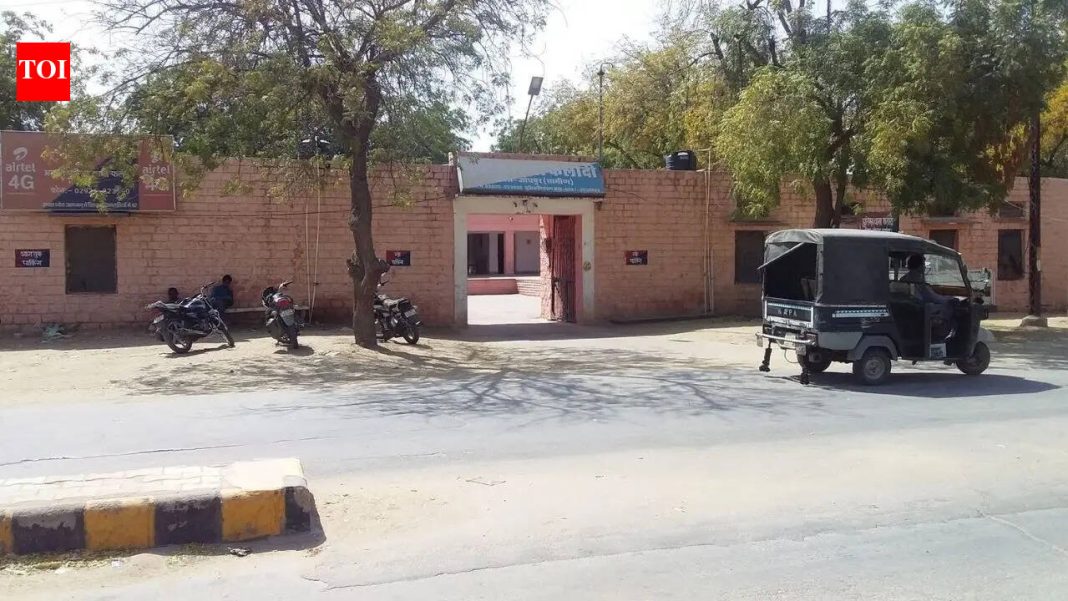
Jodhpur, Rajasthan – A somber cloud hangs over Jodhpur following the tragic suicides of two sisters within a span of just two months. The family of the deceased young women has come forward with harrowing allegations of years of gangrape and blackmail, pointing an accusatory finger at alleged police inaction as a critical factor contributing to the sisters’ despair. This devastating sequence of events has ignited outrage, raising serious questions about the responsiveness of law enforcement and the mechanisms in place to protect vulnerable individuals.
Years of Alleged Torment and Threats
The ordeal, as narrated by the family, reportedly began several years ago, when the elder sister, identified as Priya (name changed to protect identity), was allegedly gangraped. According to the family, the perpetrators not only committed the heinous crime but also recorded the act, using the footage to blackmail and continuously exploit her. This cycle of threats and alleged sexual assault reportedly continued for years, trapping Priya in a terrifying web of silence and fear.
The family claims that despite their repeated attempts to approach local police, their pleas for help went largely unheeded. They allege that initial complaints were either not registered with the seriousness they warranted or were dismissed, leaving the victim feeling helpless and abandoned by the very system meant to protect her. The trauma was compounded when the younger sister, Kiran (name changed), also reportedly fell victim to similar threats and blackmail, allegedly by the same group of individuals or their associates, who exploited the family’s vulnerability and Priya’s existing ordeal.
The constant fear of exposure, social stigma, and the perceived inability to secure justice weighed heavily on both sisters. On September 10th, Priya, unable to bear the torment any longer, died by suicide. Her death sent shockwaves through the family, deepening their anguish and conviction that justice had been denied. However, the tragedy did not end there.
Accusations of Police Inaction Escalate
Following Priya’s death, the family intensified their demands for an FIR to be registered and a thorough investigation to commence. They explicitly named individuals whom they believed were responsible for the gangrape and blackmail, presenting what they claimed was evidence of the years of harassment. Despite their efforts, they allege that the police response remained inadequate, characterized by delays and a lack of decisive action.
The family asserts that the delay in investigating Priya’s case and apprehending the accused created an atmosphere of continued intimidation and despair for Kiran. Feeling the same immense pressure and allegedly fearing for her own safety and future, Kiran also died by suicide exactly two months later, on November 10th. Her death has pushed the family’s grief and frustration to a breaking point, sparking widespread condemnation and calls for immediate accountability.
“We begged the police, we pleaded with them for years, but they did nothing,” stated a grieving relative, his voice heavy with despair. “If they had acted when Priya first came forward, maybe both our daughters would be alive today. This is a failure of the system, and we demand justice not just for our girls, but for every victim who is let down.”
The kin are now vociferously accusing several police officials of negligence, dereliction of duty, and allegedly even colluding with the accused. They have staged protests, demanding the suspension of responsible officers and the swift arrest of all individuals named in their complaints. Local activists and community leaders have joined the family in their outcry, highlighting systemic issues in how cases of sexual assault and blackmail are handled, particularly when victims come from marginalized backgrounds.
Calls for Justice and Systemic Reform
The double tragedy has forced authorities to take renewed notice. Following Kiran’s suicide and the ensuing public outcry, senior police officials have reportedly ordered an inquiry into the allegations of police inaction. Some reports indicate that certain police personnel have been suspended or transferred pending investigation. FIRs related to the alleged gangrape, blackmail, and abetment to suicide have reportedly been registered, and investigations are said to be underway, albeit under immense public scrutiny.
This heart-wrenching case underscores the critical need for a more sensitive, proactive, and efficient approach from law enforcement in dealing with crimes against women. Beyond securing justice for Priya and Kiran, the incident has reignited conversations about the societal pressures that often prevent victims from reporting such crimes, and the paramount importance of ensuring that when they do, their pleas are met with immediate, decisive, and compassionate action. The community now awaits not just arrests, but a comprehensive examination of the institutional failures that may have contributed to this preventable double tragedy.
The memory of the two Jodhpur sisters now stands as a stark reminder of the devastating consequences when cries for help go unheard, and justice remains elusive.

