


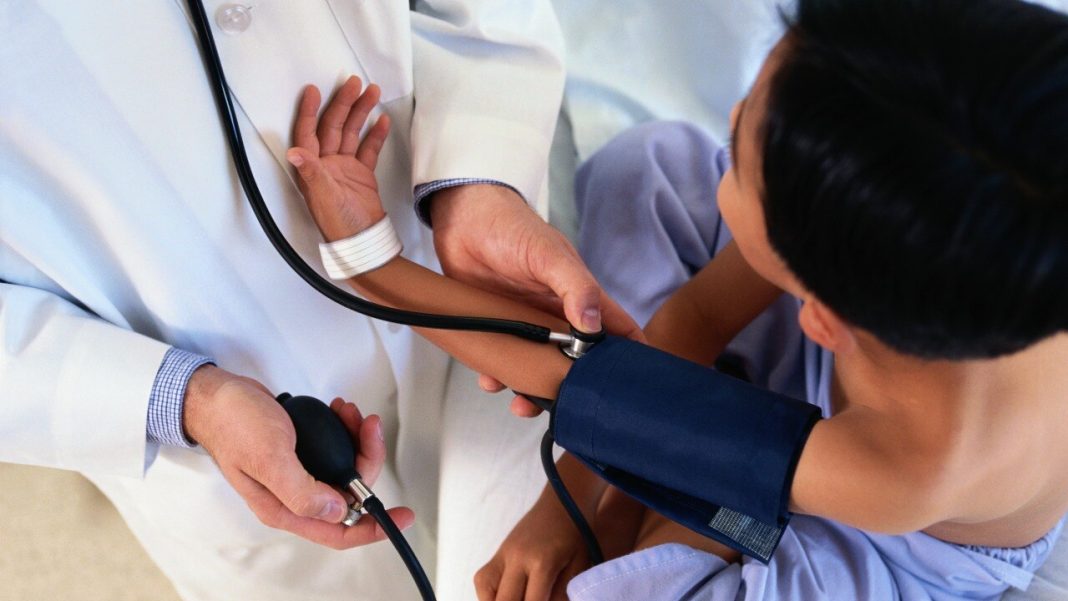
As World Hypertension Day approaches on May 17, 2026, medical professionals across India are renewing their calls for greater public awareness regarding high blood pressure, specifically its insidious tendency to manifest without noticeable symptoms. Often dubbed the “silent killer,” hypertension affects millions of Indians, silently paving the way for serious health complications if left undiagnosed and untreated. The pervasive nature of this condition, coupled with a significant lack of early warning signs, underscores the critical importance of regular health check-ups and proactive lifestyle management.
The Silent Epidemic: Why Hypertension Often Goes Unnoticed
Hypertension, or high blood pressure, occurs when the force of blood against the walls of your arteries is consistently too high. These arteries carry blood from your heart to the rest of your body. Over time, elevated pressure can damage these arteries, leading to a cascade of health problems. What makes hypertension particularly dangerous is its asymptomatic nature. Many individuals can have dangerously high blood pressure readings for years without experiencing headaches, dizziness, nosebleeds, or any other visible indicators. This lack of immediate discomfort often leads people to believe they are healthy, delaying essential medical intervention.
In the bustling urban centres and even increasingly in rural areas of India, modern lifestyles are contributing significantly to the rising prevalence of hypertension. Factors like sedentary habits, diets rich in processed foods and high sodium, increasing stress levels from demanding work environments, and inadequate sleep are widespread. The long-term, unaddressed consequences of silent hypertension can be devastating, including heart attacks, strokes, kidney failure, and vision impairment. The insidious progression means that by the time symptoms do appear, significant damage may already have occurred to vital organs.
The Imperative of Regular Screening: An Indian Perspective
Given the silent progression of hypertension, regular screening becomes not just advisable, but absolutely crucial for early detection and management. Medical experts advocate that all adults, particularly those over the age of 18, should have their blood pressure checked at least once a year, or more frequently if they have existing risk factors. These risk factors include a family history of hypertension, obesity, diabetes, high cholesterol, smoking, excessive alcohol consumption, and chronic stress.
The challenge in India is multifaceted. A significant portion of the population, especially in tier-2 and tier-3 cities and rural areas, lacks easy access to affordable healthcare facilities. There is also a cultural tendency to seek medical attention only when symptoms become severe and debilitating. Awareness campaigns need to effectively communicate that feeling perfectly fine does not equate to being free from high blood pressure. Simple, non-invasive blood pressure measurements taken at local clinics, community health camps, or even pharmacies can be life-saving.
Expert Insight on Asymptomatic Risk
Highlighting this crucial point, Dr. Rhea Kapoor, a Senior Cardiologist at Apollo Hospitals, Mumbai, emphasized, “The most alarming aspect of hypertension is that it provides no early warning. Patients often come to us with advanced complications like a stroke or heart failure, completely unaware that high blood pressure was the underlying cause. This World Hypertension Day, our message is clear: do not wait for symptoms. Regular check-ups are your first line of defense against this silent threat. A quick, painless blood pressure reading can literally save your life and prevent years of suffering.”
Embracing Proactive Health: Lifestyle as Medicine
While regular screening is paramount for detection, managing and preventing hypertension also heavily relies on adopting a healthy lifestyle. This includes making conscious dietary choices – reducing sodium intake, incorporating more fresh fruits, vegetables, and whole grains, and limiting processed foods. Regular physical activity, even moderate exercises like brisk walking or yoga, can significantly contribute to maintaining healthy blood pressure levels. Weight management, stress reduction techniques, adequate sleep, and abstaining from smoking and excessive alcohol consumption are equally vital components of a comprehensive preventive strategy.
For those already diagnosed with hypertension, adherence to prescribed medication, alongside lifestyle modifications, is non-negotiable. Regular follow-ups with a doctor ensure that treatment plans are effective and adjusted as needed. Empowering individuals with knowledge about their own health and encouraging them to take ownership of their well-being is key to combating the silent epidemic of hypertension in India.
As World Hypertension Day 2026 encourages us to reflect on this critical health issue, the message from doctors across India is unequivocal: high blood pressure often offers no signs. Be proactive, get screened regularly, and embrace a healthier lifestyle. Your heart and your future depend on it.

