


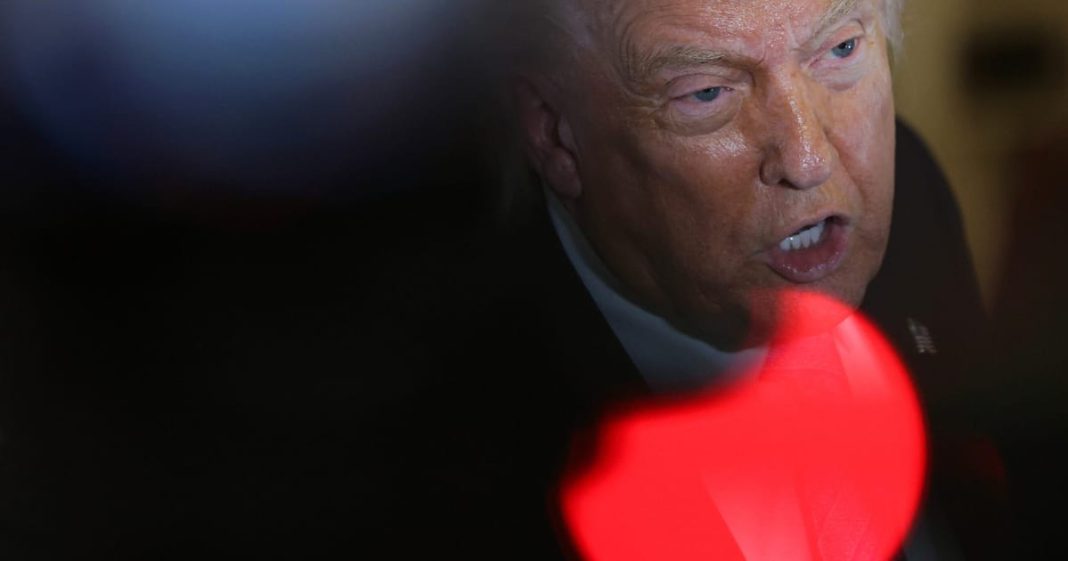
A recent declaration from Taiwan, directly addressing figures like former President Trump, that it considers itself “sovereign and independent” has once again brought the island nation’s unique geopolitical status into sharp focus. This statement isn’t just a political soundbite; it’s a profound reiteration of Taiwan’s long-held self-perception and a reminder of the intricate diplomatic landscape it navigates.
The Foundations of Self-Governance
For decades, Taiwan, officially known as the Republic of China, has operated with all the hallmarks of a sovereign state. It boasts its own democratically elected government, a distinct currency, an independent military, and control over its borders and domestic affairs. Its citizens participate in free elections, enjoy robust civil liberties, and have forged a vibrant economy that is a significant player in global technology and trade. This internal functioning provides the practical basis for its leaders’ consistent assertion of independence.
This self-governing reality is deeply embedded in the everyday lives of its people, shaping their national identity. They manage their own affairs, engage in international trade, and contribute to global initiatives, all without external administrative control. This operational independence forms the bedrock of their claims on the international stage.
Navigating a Complex International Stage
Despite its de facto independence, Taiwan’s international recognition is severely constrained by the “One China” policy, upheld by the People’s Republic of China. This policy asserts that Taiwan is an inseparable part of China, and many countries around the world officially acknowledge this stance, albeit often while maintaining unofficial relations and trade with Taiwan. This creates a delicate diplomatic tightrope walk for Taiwan, as it seeks to expand its international space without provoking its powerful neighbor.
Statements asserting sovereignty, especially when directed at prominent global figures, serve multiple purposes. They reiterate Taiwan’s unwavering position to a global audience, signal internal resolve, and remind international partners of the democratic values and self-determination at stake. It’s a carefully calculated move designed to reinforce its identity amidst persistent external pressures.
As one observer of East Asian geopolitics commented, “Taiwan’s leaders are consistently balancing the need to assert their self-determination with the realities of complex international diplomacy. Such direct statements underline their non-negotiable position on self-governance, regardless of who is in office elsewhere.”
A Persistent Dialogue
The declaration that Taiwan is “sovereign and independent” is not a new claim, but its periodic re-articulation, especially in prominent contexts, underscores the enduring nature of this geopolitical flashpoint. It highlights the fundamental discrepancy between Taiwan’s lived reality as a self-governing democracy and the international diplomatic frameworks that often overshadow it.
This ongoing assertion from Taiwan serves as a potent reminder of the complexities inherent in global power dynamics and the principle of self-determination. It ensures that the world remains aware of Taiwan’s distinct identity and its steadfast commitment to its democratic way of life, continuing a dialogue that has profound implications for regional stability and international relations.
*

