


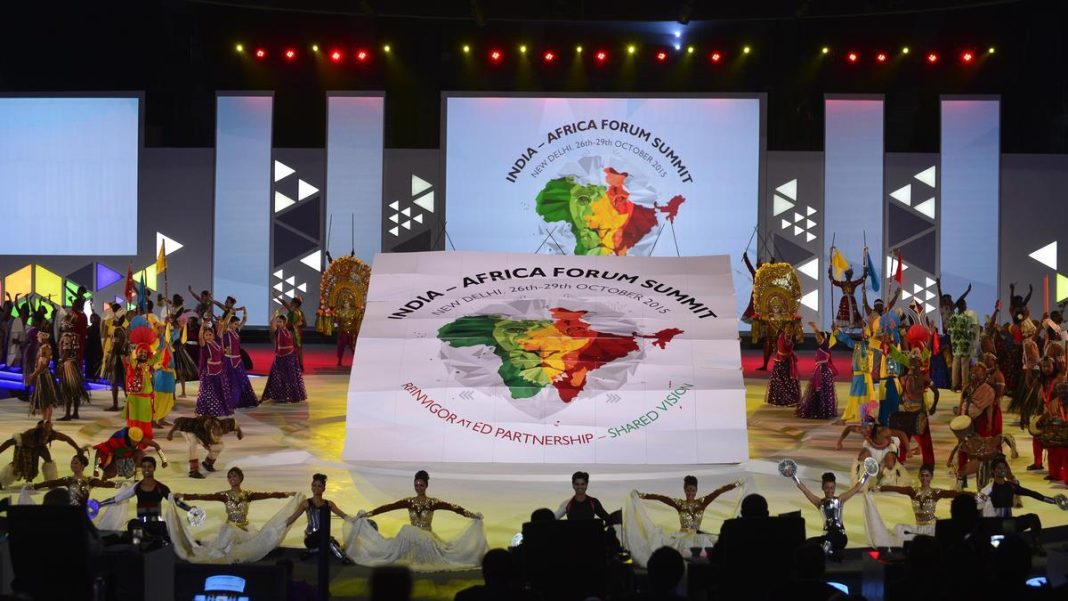
New Delhi, India – The much-anticipated India-Africa Forum Summit (IAFS), a pivotal event designed to deepen strategic and economic ties between India and the African continent, has been postponed. The decision, announced by the Ministry of External Affairs, comes in the wake of the severe Ebola virus outbreak gripping several West African nations, raising significant global health concerns.
Originally scheduled to bring together leaders from across Africa with India’s top brass, the summit’s deferment underscores the serious challenges posed by public health crises to international diplomacy and cooperation. While the postponement is a temporary setback for planned high-level engagements, it highlights India’s commitment to prioritizing the health and safety of all delegates amidst an unprecedented health emergency.
The Significance of IAFS and the Ebola Shadow
The India-Africa Forum Summit stands as the flagship platform for India’s engagement with African nations, providing a unique opportunity for collective dialogue and decision-making on issues ranging from trade and investment to development cooperation, climate change, and security. Unlike other bilateral engagements, IAFS convenes representatives from all 54 African Union member states, signifying its comprehensive scope and ambition. Past summits have seen India pledge substantial lines of credit, capacity-building initiatives, and technological transfers, underscoring its role as a key development partner for Africa.
However, the 2014-2016 Ebola epidemic in West Africa cast a long and chilling shadow over global health. Originating primarily in Guinea, Liberia, and Sierra Leone, the virus caused widespread devastation, overwhelming healthcare systems and prompting global travel restrictions and heightened screening measures. The highly contagious nature of Ebola, coupled with its high fatality rate, necessitated extreme caution in organizing large international gatherings, particularly those involving delegates traveling from various affected regions or through global transit hubs.
The decision to postpone the IAFS was not taken lightly. The logistics of ensuring the health and safety of hundreds of delegates, including heads of state and government, senior ministers, and officials, from diverse geographic regions became an insurmountable challenge. Implementing comprehensive screening protocols and managing potential health risks on such a scale, particularly for an event designed for close interaction, would have diverted critical resources and posed unacceptable risks.
Diplomatic Considerations and India’s Stance
India’s Ministry of External Affairs confirmed the postponement, emphasizing that the decision was made after extensive consultations with African partners. This collaborative approach highlights the mutual understanding and respect that underpins India-Africa relations. The consensus was that public health considerations must take precedence over the immediate scheduling of the summit.
A senior MEA official, speaking on condition of anonymity, stated, “Our partnership with Africa is deep and enduring. The decision to postpone the summit was a difficult one, but paramount was the safety and well-being of all participants. We consulted closely with our African friends, and there was a clear understanding that dealing with the Ebola crisis must be the priority. Our commitment to Africa remains unwavering, and we look forward to a rescheduled summit when conditions are safe for everyone.” This sentiment underscores India’s empathetic and responsible approach to international cooperation, particularly during times of global crisis.
The postponement is a practical measure to mitigate risk, not a diminishment of India’s strategic interest in Africa. India has historically championed South-South cooperation, viewing Africa not merely as a market or a resource base but as a vital partner in shaping a multipolar world order. Through initiatives like the Pan-African e-Network project and various capacity-building programs, India has consistently demonstrated its commitment to Africa’s development agenda.
Looking Ahead: Sustaining the Partnership
While the physical summit has been delayed, diplomatic channels remain open. Bilateral engagements, ongoing development projects, and technical cooperation continue uninterrupted. India has also contributed to global efforts to combat the Ebola outbreak, providing medical aid and support to affected countries, further solidifying its role as a responsible global actor.
The deferral of the IAFS presents an opportunity to reassess and strengthen the frameworks of cooperation, ensuring that when the summit eventually takes place, it addresses the most pressing needs and future challenges faced by both India and Africa. Discussions during the rescheduled summit are expected to focus not only on traditional areas of cooperation but also on strengthening healthcare infrastructure and disaster preparedness – lessons learned directly from the Ebola crisis.
In conclusion, the postponement of the India-Africa Forum Summit is a prudent and responsible decision driven by an unforeseen global health crisis. It reflects a shared understanding between India and its African partners that the safety of delegates and the global public health imperative must take precedence. Despite this temporary hiatus in high-level collective dialogue, the bedrock of India-Africa relations remains solid, built on mutual respect, shared aspirations, and a steadfast commitment to collective progress. Both sides eagerly anticipate the day when conditions allow for a safe and successful summit, reinforcing their strategic partnership for a prosperous future.

