


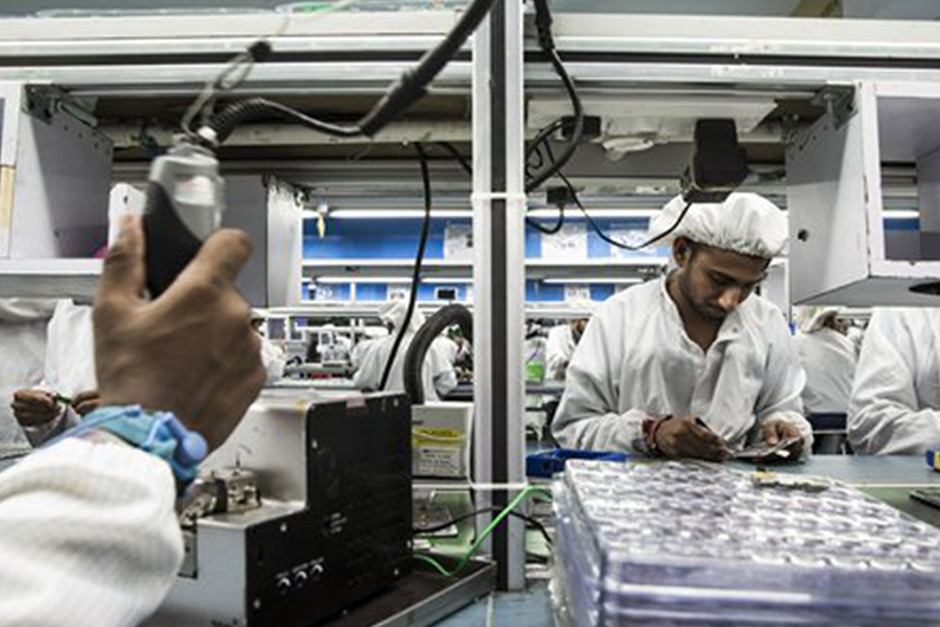
India’s ambitious journey to become a global electronics manufacturing hub faces a significant new hurdle. As the nation aggressively pushes its “Make in India” initiative and Production-Linked Incentive (PLI) schemes, recent supply chain restrictions from China are casting a long shadow. These curbs, primarily aimed at strengthening China’s domestic control over critical components and potentially de-risking its own supply chains amidst global geopolitical shifts, could profoundly impact India’s aspirations to move beyond mere assembly into comprehensive electronics manufacturing.
China’s New Curbs: A Closer Look
China, the undisputed factory of the world, has begun implementing stricter export controls and enhanced scrutiny over a range of vital electronic components and raw materials. While specific details can be opaque, the measures reportedly include more stringent licensing requirements, longer processing times for export permits, and even outright restrictions on certain high-tech components critical for advanced electronics. These moves are seen as part of Beijing’s broader strategy to secure its technological leadership and exert greater control over global supply chains.
For India, which remains heavily reliant on China for components ranging from semiconductors, display panels, and printed circuit boards (PCBs) to passive components like resistors and capacitors, these curbs present an immediate and complex challenge. India’s burgeoning electronics sector, particularly in smartphone, laptop, and consumer electronics manufacturing, thrives on the timely and cost-effective availability of these imported inputs. Any disruption in this flow can lead to production delays, increased costs, and an erosion of competitiveness, threatening the very foundation of its manufacturing growth story.
India’s Electronics Hub Ambitions Under Pressure
Over the past few years, India has demonstrated remarkable intent to transform itself into a significant player in electronics manufacturing. Government policies like the PLI scheme have successfully attracted major global players, particularly in smartphone assembly, which has seen substantial domestic value addition. The vision extends beyond assembly, aiming for deep manufacturing capabilities in areas like semiconductor fabrication, display manufacturing, and advanced component production.
However, the new Chinese restrictions directly threaten this trajectory. Even as India strives to build indigenous capabilities, the transition is a long-term process. In the interim, the industry relies on a robust global supply chain, predominantly anchored in China. Delays in receiving crucial components can force manufacturers to scale back production, miss delivery targets, and even reconsider investment plans. This uncertainty could hinder India’s ability to attract further foreign direct investment into advanced manufacturing, ultimately slowing down its progress towards becoming a self-reliant electronics powerhouse.
The Challenge of Diversification
While industry leaders and policymakers advocate for supply chain diversification, shifting reliance away from China is easier said than done. China’s massive economies of scale, established infrastructure, and competitive pricing are difficult to match quickly. Finding alternative suppliers in countries like Vietnam, Taiwan, South Korea, or even Europe and the US, often comes with higher costs, longer lead times, and potentially smaller volumes. Moreover, some specialized components might have very few, if any, alternative sources globally.
Industry Seeks Relief and Strategic Solutions
In response to the escalating concerns, Indian electronics manufacturers and industry associations are actively engaging with the government, seeking urgent relief measures. The calls primarily revolve around diplomatic intervention with China to ease restrictions, and immediate governmental support to navigate the short-term disruptions. Longer-term solutions include fast-tracking domestic manufacturing incentives, boosting R&D in critical component areas, and proactively identifying and nurturing alternative international supply partners.
Commenting on the situation, Mr. Rajesh Sharma, President of the Indian Electronics Manufacturers’ Association (IEMA), stated, “These new curbs present a critical juncture for our industry. While we fully support the long-term vision of ‘Make in India’ and self-reliance, we must acknowledge our current dependency. The government needs to engage diplomatically to ensure a stable flow of essential components in the short term, while simultaneously accelerating support for domestic component manufacturing and strategic diversification of our global sourcing. This isn’t just about business; it’s about securing our technological future.”
The path forward for India’s electronics sector involves a delicate balance: addressing immediate supply chain vulnerabilities while relentlessly pursuing long-term strategic independence. This includes fostering a robust domestic ecosystem, investing heavily in research and development, and forging stronger partnerships with a diverse set of global suppliers. The present challenge, while formidable, could also serve as a powerful catalyst for India to accelerate its journey towards becoming a resilient and self-sufficient electronics manufacturing giant.
—

