


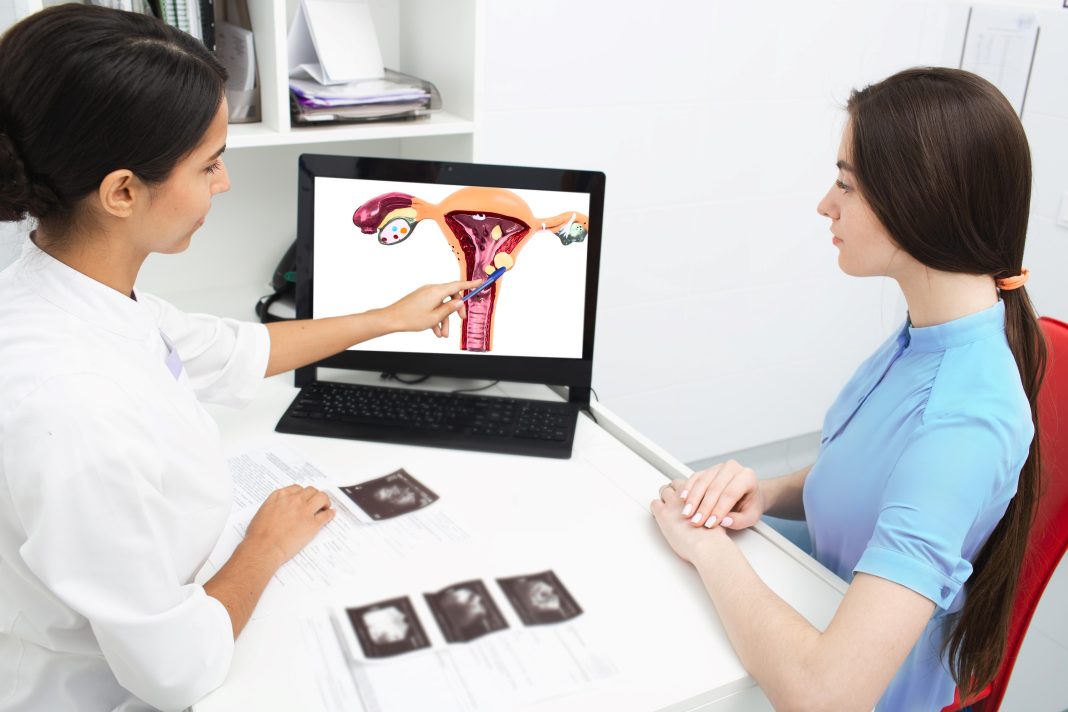
The vibrancy of one’s twenties is often associated with career building, personal growth, and new experiences. However, a concerning trend is emerging across India, casting a shadow on this crucial decade for many young women: a significant rise in hormonal imbalances and associated fertility issues. Experts are sounding the alarm, noting a shift where conditions once more prevalent in older age groups are now increasingly affecting women in their early twenties, impacting their current well-being and future reproductive health.
From irregular menstrual cycles and unexplained weight fluctuations to persistent fatigue and difficulty conceiving, these symptoms are increasingly becoming a part of the narrative for young Indian women. This shift points towards a complex interplay of modern lifestyles, environmental factors, and evolving societal pressures, demanding urgent attention and awareness.
The Modern Lifestyle Conundrum: Unpacking the Causes
The rapid urbanisation and societal shifts in India have brought about significant changes in daily life, inadvertently contributing to a rise in hormonal disruptions. One of the most frequently cited culprits is the pervasive stress experienced by young women today. Balancing demanding careers, academic pursuits, and evolving social expectations often leads to chronic stress, which directly impacts the endocrine system.
“The hypothalamic-pituitary-adrenal (HPA) axis, our body’s central stress response system, can be significantly disrupted by sustained stress,” explains Dr. Priya Sharma, a leading endocrinologist based in Mumbai. “This in turn affects other hormone-producing glands, leading to imbalances in hormones like cortisol, thyroid hormones, and even reproductive hormones like estrogen and progesterone.”
Beyond stress, dietary changes play a critical role. The increasing reliance on processed foods, high-sugar snacks, and a general lack of nutrient-dense whole foods is detrimental. These diets can lead to insulin resistance, a key factor in conditions like Polycystic Ovary Syndrome (PCOS), which is now alarmingly common among young Indian women. PCOS is characterised by hormonal imbalance, irregular periods, and the development of small cysts on the ovaries, significantly impeding fertility.
Sedentary lifestyles, late working hours, inadequate sleep, and exposure to environmental toxins (xenoestrogens in plastics, pesticides) further exacerbate the problem. These factors collectively disrupt the delicate hormonal symphony essential for overall health and reproductive function.
Impact on Fertility and Long-Term Health
The most immediate and distressing consequence of these rising hormonal imbalances is their direct impact on fertility. Many young women in their late twenties and early thirties, when they begin planning families, find themselves facing unexpected challenges. Conditions like PCOS, premature ovarian insufficiency (POI), and thyroid disorders can make conception difficult, often necessitating medical intervention.
Irregular periods, a common sign of hormonal disturbance, indicate an erratic ovulatory cycle, making natural conception a struggle. Beyond fertility, these imbalances pose significant long-term health risks. Untreated PCOS, for instance, increases the risk of developing type 2 diabetes, cardiovascular disease, and endometrial cancer later in life. Thyroid disorders can lead to metabolic issues, chronic fatigue, and cognitive impairments if left unaddressed.
The psychological toll is also substantial. The emotional burden of dealing with unexplained symptoms, coupled with the societal pressure to conceive, can lead to anxiety, depression, and significant distress for young women. Early diagnosis and proactive management are therefore crucial, not just for reproductive health but for overall well-being.
Charting a Path Forward: Awareness and Proactive Health
Addressing this growing crisis requires a multi-pronged approach, beginning with increased awareness and education. Young women need to be empowered with knowledge about their bodies and the factors influencing hormonal health. “We need to normalise conversations around menstrual health, hormonal symptoms, and fertility concerns,” advises Dr. Meera Singh, a renowned gynaecologist from Delhi. “Many young women dismiss symptoms as ‘normal stress’ or ‘just bad periods’ until the problem becomes severe. Early detection through regular check-ups is paramount.”
Lifestyle modifications form the cornerstone of prevention and management. Adopting a balanced diet rich in whole grains, lean proteins, fruits, and vegetables, while limiting processed foods and refined sugars, can significantly improve hormonal health. Regular physical activity, even moderate exercise like brisk walking or yoga, helps regulate metabolism and reduce stress. Prioritising 7-8 hours of quality sleep and incorporating stress-reduction techniques like meditation or mindfulness are also vital.
For those experiencing persistent symptoms, seeking timely medical consultation is non-negotiable. Consulting a gynaecologist or endocrinologist can help identify the underlying cause and formulate an effective treatment plan, which may include medication, dietary changes, or other therapies. The rising incidence of hormonal and fertility issues among young Indian women is a wake-up call. It underscores the urgent need for a societal shift towards prioritising holistic health, fostering open discussions, and empowering women to take charge of their well-being from a young age.
The future health and reproductive capabilities of a significant portion of India’s female population depend on how effectively we address this critical challenge today.

