


Hantavirus Outbreak Rocks Expedition Cruises: A New Frontier for Adventure Safety
Imagine vast, untouched landscapes, the thrill of polar ice caps or remote jungles, all from the comfort of a state-of-the-art vessel. Expedition cruises promise unparalleled adventure, taking intrepid travelers to the very edges of the known world. But what happens when the wild itself delivers an unseen, silent challenge? A recent Hantavirus outbreak has cast a shadow over this booming industry, forcing a stark reevaluation of the risks lurking in those pristine, remote destinations.
The Wild’s Unseen Guests: When Nature Strikes Back
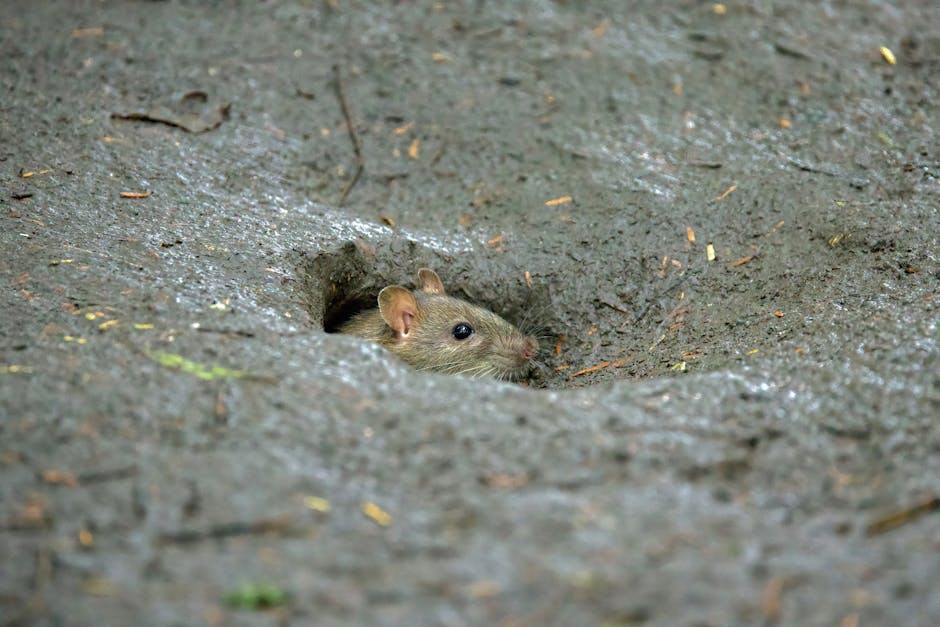
The allure of expedition cruising lies in its promise of intimate encounters with nature – penguins waddling on ice floes, exotic birds soaring over rainforest canopies, untouched ecosystems waiting to be explored. However, these very environments are also home to wildlife, including rodents, which are the primary carriers of Hantavirus. This isn’t a common shipboard illness; it’s a zoonotic disease, meaning it transmits from animals to humans, typically through contact with infected rodent droppings, urine, or saliva. The irony is poignant: travelers seeking pristine nature are encountering one of its less glamorous, more dangerous inhabitants.
Vessels docking in remote areas, or even shore excursions into less-frequented zones, inherently increase exposure risks. While cruise lines pride themselves on rigorous hygiene, dealing with an invisible viral threat originating from the natural environment presents a unique logistical and health challenge. It’s a sobering reminder that truly wild places come with their own set of rules and inhabitants, some of which are not as welcoming as a majestic whale.
Navigating the Crisis: Industry and Traveler Impact
The immediate fallout has been palpable. Reports of passengers falling ill after returning from remote voyages have triggered alarm, prompting swift, albeit complex, responses from affected cruise lines. Enhanced cleaning protocols, particularly in areas accessible to potential rodent vectors, are now paramount. Health screenings, public awareness campaigns, and even the re-routing or cancellation of certain itineraries have become necessary measures.
One expedition leader, who preferred to remain anonymous given the sensitivity, remarked, “We go to extraordinary lengths to ensure safety, but this is a different beast. It forces us to think beyond the usual maritime risks and consider the ecosystem itself as a potential vector. It’s a delicate balance between showcasing the wild and protecting our guests from its less glamorous elements.” For passengers, the news sparks a dilemma. Do they cancel their dream trip to Patagonia or Antarctica, or trust that the industry can adequately mitigate these emergent risks? The mental landscape of adventure travel is shifting, requiring a new level of diligence from both operators and would-be explorers.
Reimagining Expedition Safety for Tomorrow
Looking ahead, this Hantavirus incident is likely to be a catalyst for significant operational shifts within the expedition cruise sector. Expect to see heightened emphasis on pre-trip briefings about zoonotic disease risks, more robust pest management strategies onboard and during shore excursions, and perhaps even innovative detection methods. Collaboration with local health authorities and environmental scientists in host regions will become more critical than ever.
The industry, known for its resilience and adaptability, will undoubtedly learn from this. It’s not about abandoning the call of the wild, but rather embracing a more holistic understanding of safety that extends beyond the ship’s railings and into the ecosystems visited. The goal remains the same: to offer unparalleled adventures, but with an even deeper commitment to safeguarding the health of every intrepid soul who embarks on these journeys.
The Hantavirus outbreak serves as a stark reminder that even in our most carefully planned adventures, nature can present unexpected challenges. For the expedition cruise industry, it’s a moment of reckoning and adaptation. While the allure of untouched wilderness remains strong, the path forward will require an enhanced, nuanced approach to health and safety, ensuring that the spirit of exploration can continue to thrive, even in the face of unseen threats. The wild calls, but now it also demands a new kind of respect and vigilance.

