


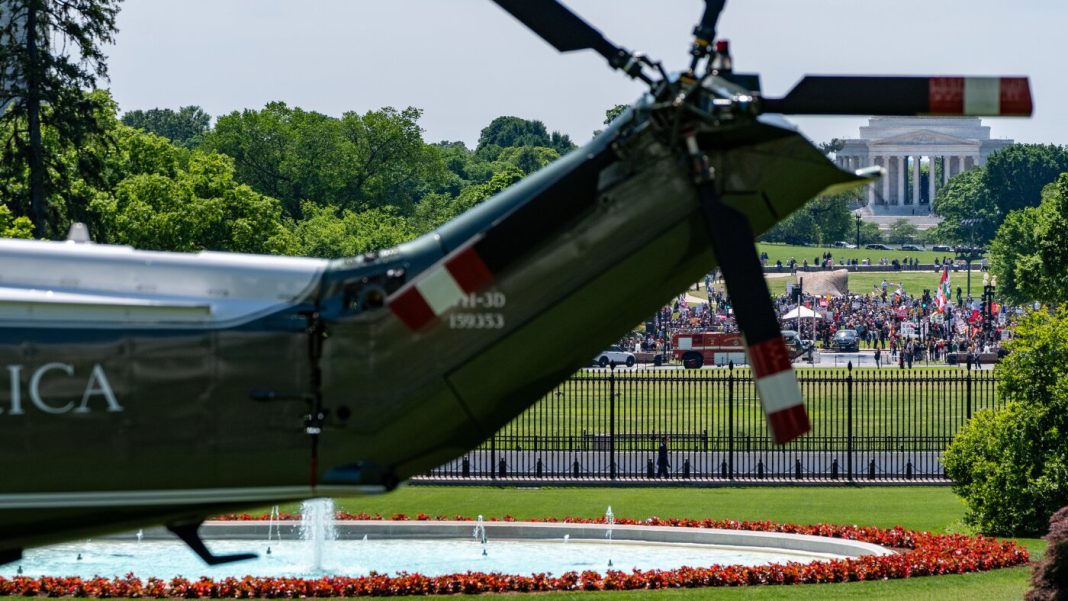
As May Day approaches, traditionally a focal point for labor rights and broader social justice movements, a powerful and concise slogan is poised to echo across protests nationwide: “No Kings.” While literally rejecting monarchy might seem anachronistic in most modern states, the phrase carries a potent symbolic weight, encapsulating a widespread disdain for concentrated power, whether economic, political, or corporate. It’s a sentiment bubbling beneath the surface of numerous contemporary grievances, now finding a stark, unifying voice.
The Echo of Discontent
The cry of “No Kings” isn’t about dethroning a literal monarch; it’s a profound rejection of perceived unaccountable authority and hierarchical systems that many feel disenfranchise the majority. This includes the ‘kings’ of industry whose decisions impact millions without democratic oversight, the ‘kings’ of finance whose wealth often seems insulated from economic downturns affecting everyone else, and even the ‘kings’ of political dynasties or entrenched bureaucracies that appear unresponsive to public will. It’s a shorthand for anti-establishment sentiment, a call for genuine equity and distributed power rather than top-down control.
The phrase taps into a deep-seated frustration with systemic imbalances. When people chant “No Kings,” they are often speaking to issues of wage stagnation, corporate greed, environmental degradation permitted by powerful entities, and governmental policies seen as serving special interests over the common good. It’s a broad declaration that power should not reside unilaterally with a privileged few, but rather be dispersed and accountable to the many.
Unifying a Diverse Agenda
What makes “No Kings” particularly resonant is its ability to unite a diverse array of protest movements. From labor activists advocating for better working conditions and fairer wages, to environmental groups demanding corporate accountability, to social justice advocates pushing for dismantling oppressive systems, the core idea of rejecting unchecked power serves as a common denominator. It’s a big tent slogan that allows different groups to articulate their specific grievances under a shared banner of liberation from perceived authoritarian structures.
This simple yet powerful statement cuts through complex political discourse, offering a clear articulation of a fundamental desire for autonomy and self-determination. As one veteran community organizer, speaking anonymously, remarked, “It’s a simple phrase, but it cuts right to the heart of what so many people feel: a fundamental imbalance of power. It’s about saying we don’t consent to being ruled, not just by individuals, but by systems that don’t serve us.” This sentiment reflects a growing demand for a shift in how power is exercised and by whom, moving away from a model of deference towards one of active participation and collective agency.
Ultimately, the widespread adoption of “No Kings” at May Day protests signals a broader cultural current. It’s a reflection of a society increasingly questioning traditional power structures and demanding a more equitable distribution of influence and resources. This cry is not just a protest; it’s a vision for a different kind of societal arrangement, one where the metaphorical crowns are removed, and power is returned to the hands of the people.
Expect to hear this powerful affirmation not just as a chant, but as a defining statement of intent, embodying a pervasive yearning for a more just and accountable world.

