


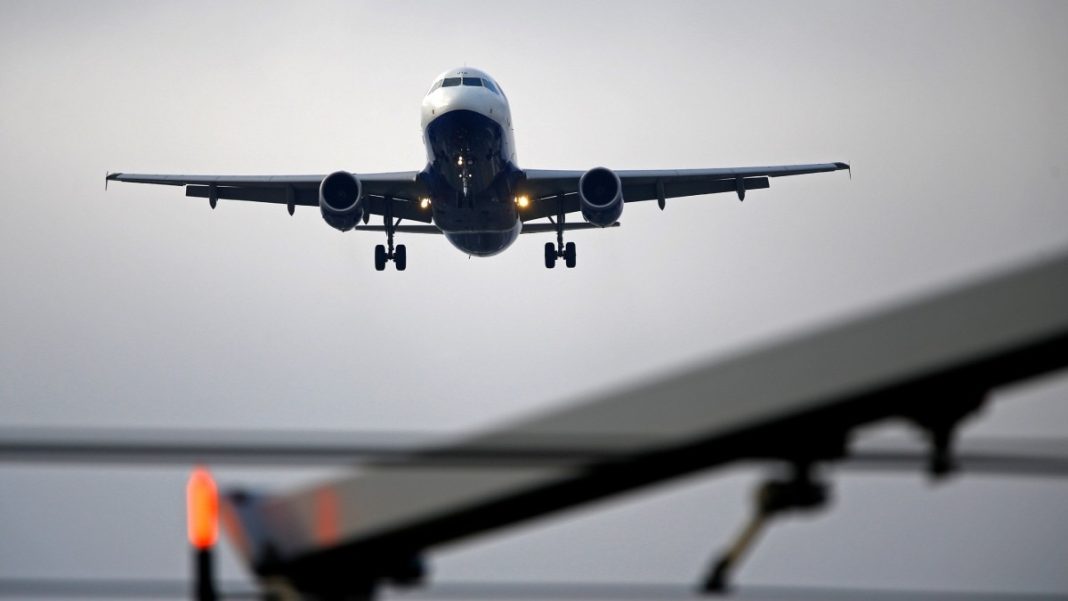
India’s national carrier, Air India, is set to significantly reduce its international flight schedule until at least July, a strategic move necessitated by a confluence of global economic and geopolitical pressures. The decision, which impacts routes primarily to Western destinations like the US, Canada, and Europe, highlights the challenging environment facing airlines worldwide. Passengers with existing bookings for the affected period are being offered options for re-accommodation or full refunds, as the airline navigates an exceptionally turbulent phase driven by surging fuel costs and persistent airspace restrictions.
Impact of Global Headwinds: Fuel Costs and Airspace Restrictions
The primary catalysts behind Air India’s decision are the astronomical rise in aviation turbine fuel (ATF) prices and the lingering effects of geopolitical tensions on global airspace. International flights, particularly long-haul routes, are the most susceptible to these cost escalations, making several previously viable sectors economically unfeasible in the current climate.
Fuel Surge: The global energy market has witnessed unprecedented volatility, with crude oil prices soaring. This directly translates to higher ATF costs for airlines. In India, ATF prices have seen multiple hikes, significantly increasing operating expenses. For Air India, a carrier with a substantial long-haul network, the daily expenditure on fuel has become a critical concern. Flying a partially filled aircraft on an expensive route simply adds to financial strain, making route rationalisation an unavoidable necessity.
Airspace Curbs: Adding to the financial woes are the ongoing airspace restrictions stemming from the Russia-Ukraine conflict. The closure of Russian airspace for many European and North American carriers has forced airlines to adopt longer, alternative flight paths. For instance, flights from India to destinations like the US and Canada, which historically traversed Russian airspace, now have to take significantly longer routes over regions like Central Asia, the Middle East, and parts of Europe. These extended routes mean increased flying time, greater fuel consumption, and higher crew costs, further eroding profit margins and increasing operational complexity. While Air India, as an Indian carrier, is technically not barred from Russian airspace, the overall disruption to global air traffic and the economic implications for the sector are undeniable.
Strategic Adjustments and Passenger Implications
Air India’s move is a pragmatic response to these external pressures, aimed at optimising its network and ensuring sustainable operations. This isn’t just about cutting costs; it’s about making tough choices to maintain financial viability in an incredibly demanding market.
The airline has begun the process of informing passengers whose flights are affected. Options typically include rebooking on alternative Air India flights, if available, or on partner airlines, full refunds, or the choice to reschedule travel for a later date once services are restored. This proactive communication is crucial to manage passenger expectations and mitigate inconvenience during this period of adjustment.
“This move by Air India is a pragmatic response to an exceptionally volatile global aviation market,” says Mr. Ramesh Kumar, an independent aviation analyst. “With ATF prices soaring and geopolitical events forcing longer, more fuel-intensive routes, airlines are compelled to make tough choices to ensure operational sustainability. It’s about rationalising resources in challenging times, especially for a carrier like Air India which is undergoing a significant transformation under new ownership.” This sentiment underscores the broader industry challenge, where airlines are constantly recalibrating their strategies in response to dynamic global conditions.
Broader Industry Context and Future Outlook
Air India is not an isolated case. Numerous airlines globally are grappling with similar challenges, albeit with varying degrees of impact depending on their route networks and financial health. The current environment necessitates agility and a willingness to adapt schedules rapidly. For Air India, recently privatised and undergoing a significant overhaul under Tata Sons, this situation presents an additional layer of complexity to its ambitious revival plans.
The short-term flight cuts allow Air India to consolidate demand on fewer flights, potentially improving load factors and ensuring that the operational cost per passenger remains manageable. It also provides an opportunity to redeploy aircraft to more profitable domestic or shorter-haul international routes that are less impacted by the current global constraints. While the announcement extends till July, the airline will undoubtedly be monitoring the global fuel markets and geopolitical landscape closely to determine when it can gradually restore its full international schedule.
In conclusion, Air India’s decision to cut international flights until July is a direct reflection of the severe economic headwinds and logistical challenges facing the aviation sector. It’s a necessary, albeit difficult, measure to ensure operational efficiency and financial prudence amidst surging fuel costs and restrictive airspace. While disruptive for some travellers, it signifies the airline’s commitment to navigating a complex global environment responsibly, with the long-term goal of restoring its full network when conditions become more favourable.

