


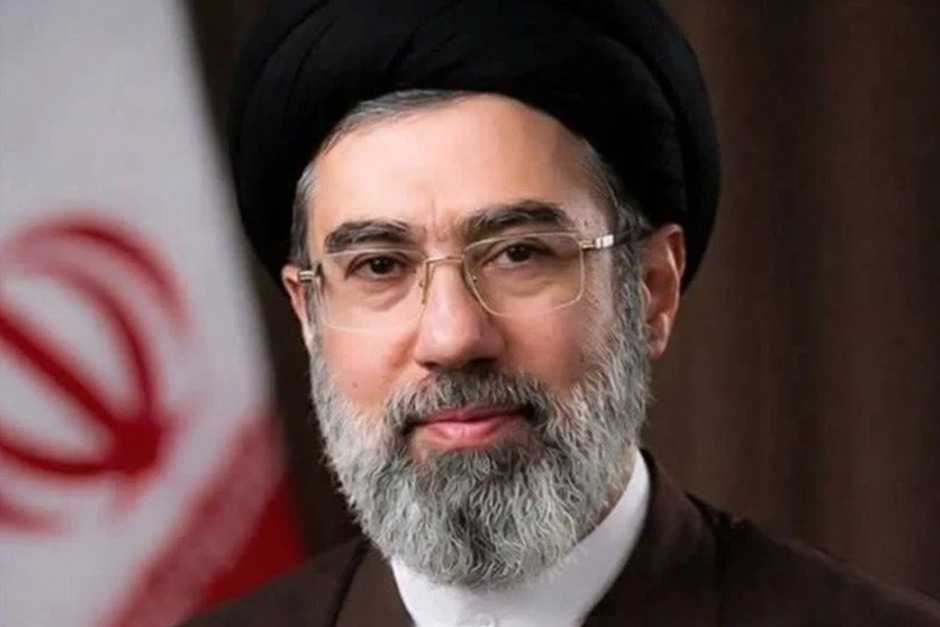
A powerful declaration has reverberated from Tehran, underscoring Iran’s unyielding resolve regarding its controversial nuclear and missile programs. The nation’s Supreme Leader recently made it unequivocally clear that these vital capabilities are not up for negotiation and will be protected at all costs. This isn’t just another statement; it’s a reaffirmation of a long-held strategic position, sending a potent message to both domestic audiences and the international community about the perceived pillars of Iran’s national security.
The Unwavering Stance
In a direct address that left no room for ambiguity, the Supreme Leader asserted that Iran’s nuclear advancements and its robust missile arsenal are fundamental to the country’s defense and independence. These programs, often viewed with suspicion by Western powers, are consistently framed by Tehran as purely defensive, essential for deterring potential aggressors and safeguarding the nation’s sovereignty in a turbulent region. The message is clear: any pressure, sanctions, or diplomatic efforts aimed at dismantling these capabilities will be met with staunch resistance.
This steadfast commitment reflects a deep-seated belief within Iran’s leadership that these programs represent a strategic depth that cannot be compromised. They are seen as non-negotiable assets that contribute to national pride and self-reliance, especially in the face of perceived external threats and historical grievances. For Tehran, giving up these capabilities would be tantamount to ceding a crucial component of its defensive posture and its standing on the global stage.
Why These Capabilities Are Non-Negotiable for Tehran
Understanding Iran’s perspective on its nuclear and missile programs requires looking beyond the immediate headlines. From Tehran’s vantage point, these capabilities are vital instruments for ensuring its survival and influence. The region surrounding Iran is a complex tapestry of geopolitical rivalries and historical conflicts, and the leadership believes that a strong deterrent is the most effective way to protect its interests and prevent external interference.
The missile program, in particular, is highlighted as a conventional deterrent, crucial for safeguarding Iranian territory and responding to potential threats without resorting to other means. Similarly, the nuclear program, despite international concerns about proliferation, is consistently presented domestically as a pursuit of peaceful energy and advanced technology, vital for national development and scientific progress. As one seasoned international relations analyst, Dr. Anya Sharma, put it, “For Tehran, these capabilities are deeply intertwined with national dignity and deterrence. Any attempt to dismantle them is seen as an existential threat, not just a policy disagreement.” This sentiment underscores the profound significance these programs hold within the Iranian strategic mindset.
Global Implications and the Path Ahead
The Supreme Leader’s firm declaration naturally casts a long shadow over ongoing international efforts to address Iran’s nuclear ambitions. It reinforces the perception of a formidable diplomatic challenge, highlighting the vast chasm between Iran’s declared defensive needs and the international community’s concerns about regional stability and nuclear proliferation. This unwavering stance implies that any future negotiations will likely face significant hurdles, as Tehran appears unwilling to budge on what it considers core national security assets.
The pronouncement could also fuel further debate and strategic recalibrations among global powers. While some may interpret it as a definitive end to certain diplomatic avenues, others might see it as a prelude to intensified engagement, albeit with a clear understanding of Iran’s firm red lines. Regardless, the message from Tehran is unmistakable: its nuclear and missile programs are here to stay, and their protection is a paramount national priority.
In conclusion, the recent declarations from Iran’s highest authority serve as a stark reminder of the deeply entrenched positions at play regarding its nuclear and missile capabilities. Far from being negotiable items, these programs are viewed by Tehran as indispensable pillars of its national defense and sovereignty. This steadfast commitment sets a clear trajectory for future interactions, emphasizing the enduring complexity of a geopolitical issue with far-reaching implications for regional stability and international relations.

