


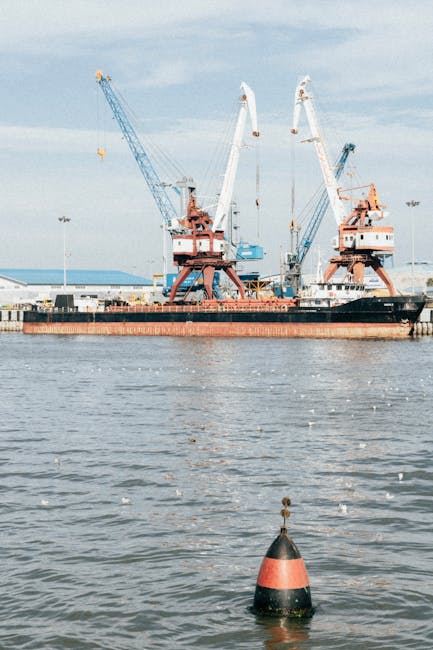
In a development underscoring the persistent geopolitical tensions in the Persian Gulf, recent reports indicate that two ships originating from Iranian ports have successfully navigated past the US-imposed blockade, traversing the critical Strait of Hormuz. This incident, while specific in its details, highlights the intricate dance of international sanctions, maritime strategy, and the unyielding importance of this global chokepoint. For India, a nation deeply invested in regional stability and secure energy pathways, such events carry significant implications.
The Strait of Hormuz: A Maritime Crossroads Under Scrutiny
The Strait of Hormuz is not merely a narrow body of water; it is a vital artery of global commerce, particularly for the energy sector. Connecting the Persian Gulf with the Arabian Sea and the broader Indian Ocean, an estimated 20% of the world’s petroleum and 25% of the global liquefied natural gas (LNG) transits through this passage daily. This makes its security paramount for economies worldwide, including India, which is a major importer of crude oil and gas from the Gulf region.
The United States maintains a significant naval presence in the Gulf, primarily through the US Navy’s Fifth Fleet, with a stated mission to ensure freedom of navigation and enforce international sanctions, particularly those targeting Iran’s oil exports. These sanctions are part of Washington’s “maximum pressure” campaign, aimed at curbing Tehran’s nuclear program and regional influence. Iran, in turn, views these sanctions as economic warfare and has repeatedly asserted its right to export oil and maintain open shipping lanes.
Iran’s Resourcefulness Amidst Sanctions
The alleged successful transit of two Iranian-origin ships past the US blockade is a testament to Iran’s persistent efforts to circumvent international restrictions. Over the years, Iran has reportedly employed various tactics to maintain its trade lifelines, including ship-to-ship transfers at sea, turning off Automatic Identification System (AIS) transponders to obscure their location, changing vessel flags, and even using smaller, less conspicuous vessels. These methods aim to bypass detection and evade enforcement measures.
An anonymous maritime security analyst, commenting on the broader context of such incidents, stated, “This isn’t just about two ships; it’s a continuous cat-and-mouse game. Iran is determined to keep its economy afloat, and the US is equally determined to enforce its sanctions. Each successful transit is seen as a tactical victory for Tehran, showcasing the inherent difficulties of a complete maritime blockade in such a busy strait.” This underscores the complex and often covert nature of maritime operations in the region.
While the exact cargo or destination of the two reported vessels remains undisclosed, such movements are typically linked to Iran’s ongoing efforts to export crude oil or petrochemical products, essential for its economy. The ability to consistently conduct such operations, even on a small scale, sends a message of resilience and defiance to the international community.
Implications for Regional Stability and India
The repeated attempts to circumvent sanctions and the US response create a delicate and potentially volatile situation in the Strait of Hormuz. Any miscalculation or escalation in this chokepoint could have severe repercussions, ranging from disruptions in global energy supplies to outright military confrontation. Such instability would invariably impact the global economy and, more acutely, nations heavily reliant on Gulf energy imports like India.
India has consistently advocated for de-escalation and diplomatic solutions in the Persian Gulf. Its energy security is directly tied to the free and safe flow of oil through Hormuz. Furthermore, India maintains historical ties with Iran and has strategic interests in the region, including its investment in the Chabahar Port, which serves as a crucial gateway for trade with Afghanistan and Central Asia. The prospect of heightened tensions, therefore, poses a significant challenge to India’s foreign policy objectives and economic interests. New Delhi carefully balances its relationships with both the US and Iran, seeking stability and unfettered access to maritime routes.
The reported passage of these two ships is a stark reminder that despite international pressures, Iran continues to find ways to navigate the complex geopolitical landscape. It serves as a potent symbol of the ongoing struggle between economic sanctions and sovereign determination, with the Strait of Hormuz remaining at the heart of this intricate geopolitical chess match. For global observers and stakeholders like India, vigilance and a push for diplomatic resolutions remain paramount.

