


Quick Summary
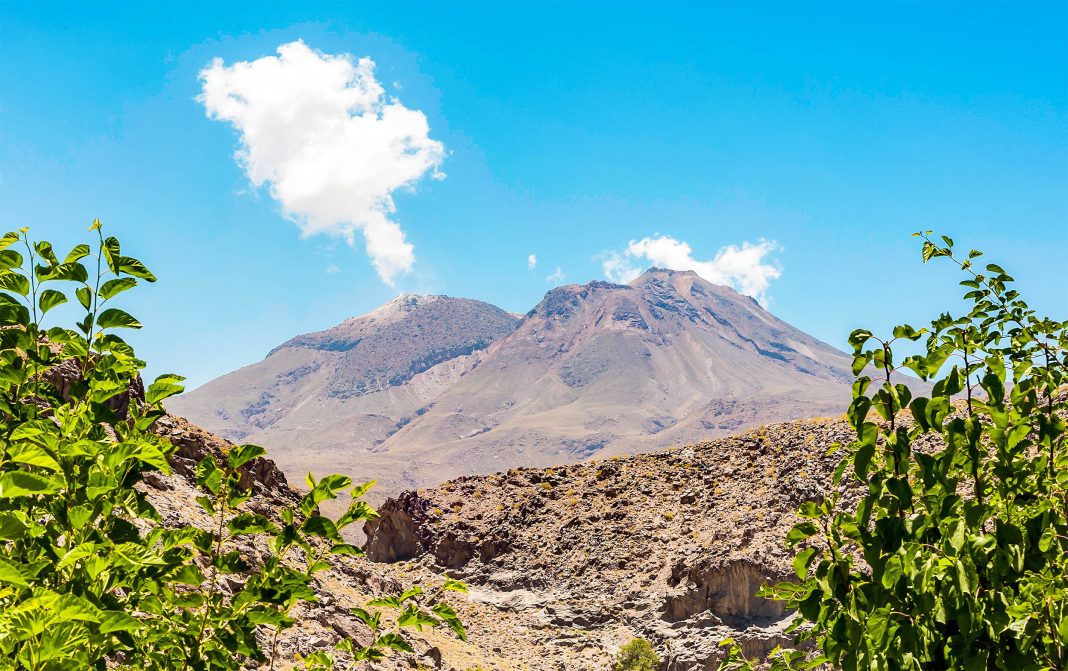
After a staggering 700,000 years of slumber, Iran’s remote Taftan volcano is showing signs of activity, prompting scientists to monitor its reawakening closely. This geological event marks a significant moment for understanding Earth’s deep processes.
What Happened
Mount Taftan, a stratovolcano nestled in southeastern Iran, has begun exhibiting renewed activity. Researchers have observed increased seismic tremors and heightened gas emissions, particularly sulphur dioxide, from the volcano. This suggests a potential resurgence of magmatic systems deep beneath the surface, ending its monumental period of dormancy.
“It’s like Earth took a very, very long nap and just stretched,” remarked one geoscientist, highlighting the immense timescale involved in this geological event.
Why It Matters
The reawakening of a volcano dormant for such an extended period is incredibly rare and offers invaluable insights into long-term volcanic cycles and Earth’s interior dynamics. While there are currently no immediate threats to local populations, the activity provides a critical opportunity for scientists to study how these ancient giants stir back to life, potentially informing future hazard assessments.
Bottom Line
The gentle rumble from Taftan volcano is a fascinating reminder of our planet’s ever-changing nature. It’s a geological spectacle unfolding in slow motion, keeping researchers on their toes and offering a unique window into Earth’s fiery heart.

