


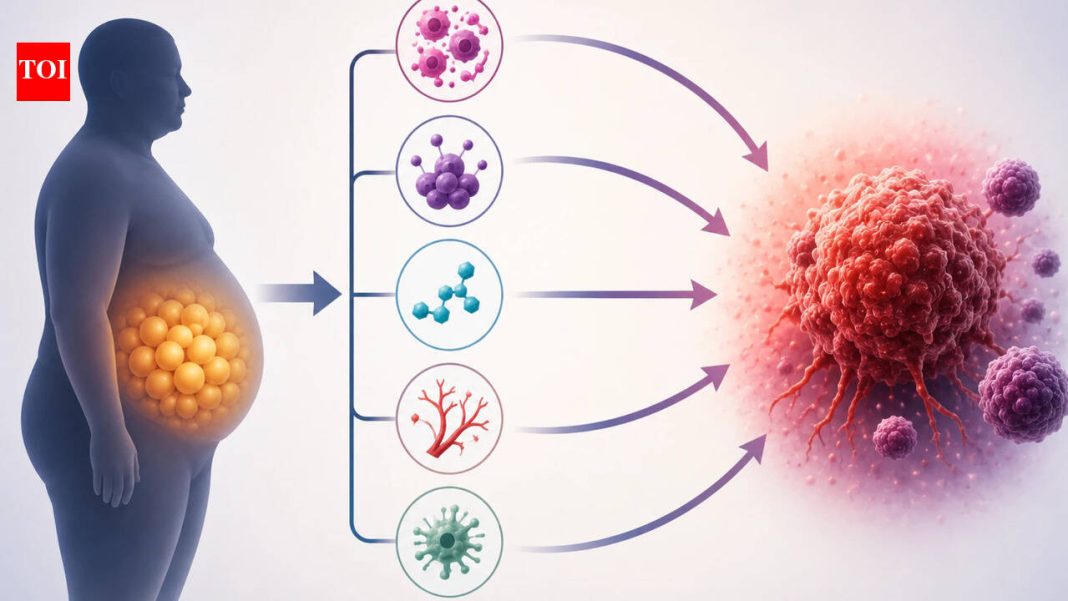
In a nation where lifestyle transitions are rapidly reshaping health landscapes, a recent confluence of studies highlights a particularly alarming trend: weight gain during adulthood is now strongly associated with a significantly heightened risk of developing certain cancers. For many, the gradual accumulation of a few extra kilos over years might seem like an inevitable part of aging or modern living. However, researchers are increasingly pointing to this seemingly benign phenomenon as a potent catalyst, potentially increasing the risk of specific malignancies by as much as fivefold.
Understanding the Alarming Link
The connection between obesity and cancer has been a known area of research for some time, but the focus is increasingly shifting to the impact of weight gain specifically during adult years, rather than just childhood obesity or overall body mass index (BMI) at a single point. This distinction is crucial because it implies that even individuals who maintained a healthy weight in their youth are at risk if they experience significant weight creep later in life. The mechanism isn’t merely about excess fat; it’s a complex interplay of biological processes.
Scientists suggest that prolonged periods of overweight or obesity lead to chronic low-grade inflammation throughout the body. Adipose tissue (fat) is not just a storage unit; it’s an active endocrine organ that produces hormones and inflammatory substances. These can disrupt normal cell growth, promote cell proliferation, and inhibit programmed cell death (apoptosis), creating an environment conducive to cancer development. Furthermore, elevated levels of insulin, insulin-like growth factors, and altered sex hormones (like estrogen in postmenopausal women) due to excess weight are also implicated in driving tumor growth.
The cancers most frequently linked to adult weight gain include colorectal cancer, postmenopausal breast cancer, endometrial cancer, kidney cancer, liver cancer, pancreatic cancer, and certain types of esophageal cancer. The fivefold increased risk refers to specific subsets or scenarios within these categories, underscoring the severity of the association.
The Indian Context: A Growing Health Challenge
India is currently experiencing a dual burden of malnutrition, grappling with both undernutrition and a rapidly escalating problem of overweight and obesity. Urbanization, sedentary lifestyles, and a pervasive shift towards processed foods high in sugar, unhealthy fats, and refined carbohydrates, often at the expense of traditional, nutrient-rich diets, are major contributors. The convenience of ready-to-eat meals and the ubiquitous presence of sugary beverages have dramatically altered dietary patterns across all socioeconomic strata.
This demographic shift in lifestyle habits means that a significant portion of the adult Indian population is now vulnerable to the long-term health consequences of weight gain, including an increased cancer risk. Public health experts are increasingly concerned about the future burden on India’s healthcare system if these trends continue unchecked.
“The link between sustained adult weight gain and an increased risk of specific cancers is becoming increasingly undeniable,” states Dr. Rohan Kapoor, a leading public health expert based in Delhi. “It underscores the critical importance of maintaining a healthy weight throughout adulthood, not just for cardiovascular health, but as a robust preventative measure against several malignancies. We are seeing a worrying trend of weight gain in young and middle-aged adults, which could translate into a significant rise in cancer cases two to three decades down the line if not addressed proactively.”
Proactive Steps: Reversing the Trend
The good news is that the link between weight gain and cancer risk is largely modifiable. Adopting a proactive approach to health can significantly mitigate these risks. It’s never too late to make positive lifestyle changes, and even modest weight loss can yield substantial health benefits.
Focusing on a balanced diet rich in whole grains, fresh fruits, vegetables, and lean proteins, while limiting processed foods, sugary drinks, and excessive intake of unhealthy fats, is paramount. Incorporating regular physical activity into daily routines, even if it starts with brisk walking for 30 minutes most days of the week, can make a profound difference. Small, sustainable changes over time are often more effective than drastic, short-lived measures.
Beyond individual efforts, there’s a growing need for public health initiatives in India to promote awareness, encourage healthier food choices, and facilitate access to physical activity. Understanding the profound connection between adult weight gain and cancer risk empowers individuals to make informed choices for a healthier future.
In conclusion, the escalating rates of adult weight gain in India present a formidable challenge beyond aesthetic concerns, directly correlating with a heightened risk of various cancers. Recognizing this critical link is the first step towards fostering a culture of preventative health, where mindful eating and regular physical activity become cornerstones of adult well-being, safeguarding against a looming health crisis.

