


The global tech landscape is a chessboard of innovation, competition, and increasingly, geopolitical maneuvering. At the heart of this high-stakes game are advanced semiconductors, the brains of modern artificial intelligence. A recent development has sent ripples through the industry, with US officials reportedly suspecting that high-end Nvidia chips, critical for AI development, were illicitly funneled to Chinese tech giant Alibaba through a complex smuggling operation involving Thailand. This isn’t just a story about chips; it’s a testament to the intense pressure points in the global supply chain and the ongoing tech rivalry between superpowers.
The Allegations: A Chip Smuggling Conundrum
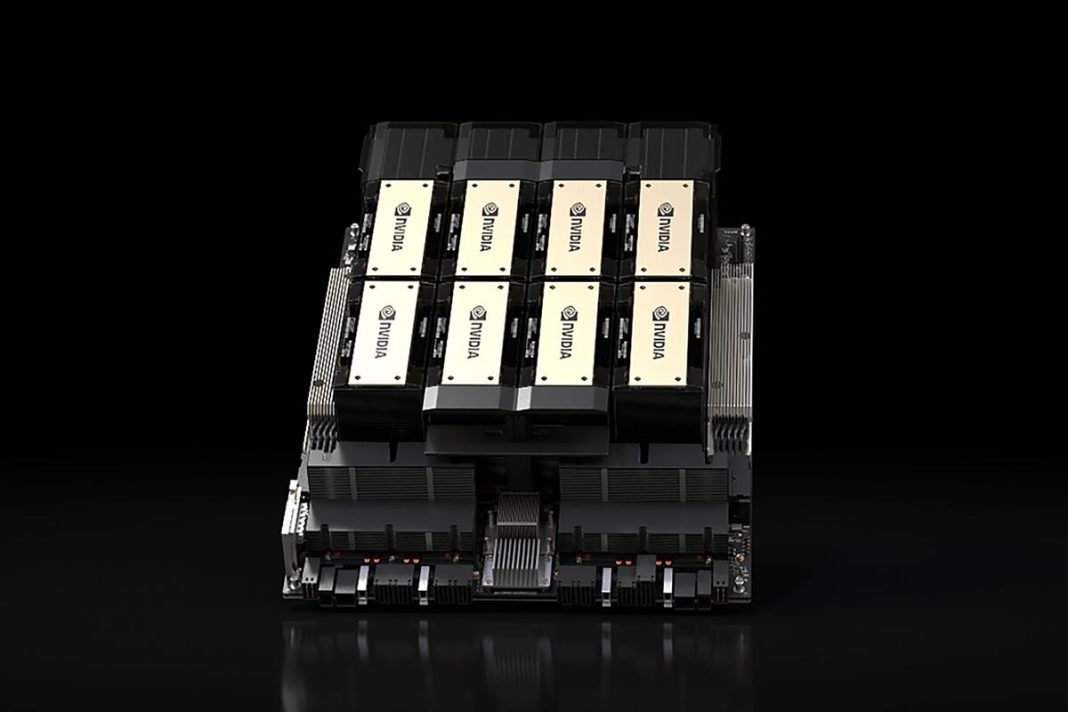
The core of the suspicion revolves around some of Nvidia’s most powerful AI graphics processing units (GPUs). These aren’t your everyday computer chips; they are specialized components designed to power sophisticated AI models and data centers, capabilities that are deemed strategically vital. Under stringent US export controls, the sale of such advanced chips to China is severely restricted, aimed at curbing Beijing’s ability to develop cutting-edge AI for military and surveillance applications.
US officials are reportedly investigating whether a deliberate scheme facilitated the transfer of these restricted Nvidia chips to Alibaba, bypassing these controls. The alleged transit point? Thailand. This suggests a sophisticated network designed to obscure the chips’ ultimate destination, highlighting the ingenuity and determination of those seeking to circumvent sanctions. For Nvidia, a company striving to comply with ever-evolving regulations while maintaining its global market leadership, such allegations pose significant challenges. It underscores the difficulty of monitoring every link in a vast and intricate supply chain, especially when powerful economic incentives drive illicit activity.
Alibaba, a powerhouse in cloud computing and AI development within China, has a clear need for advanced chips to fuel its ambitious projects. While the company maintains it adheres to all applicable laws, the suspicion raises questions about the methods by which Chinese firms might be attempting to secure vital components in a restricted environment. The very nature of AI development demands immense processing power, making access to these chips a critical bottleneck for any nation or corporation pushing the boundaries of artificial intelligence.
Navigating the Global Tech Minefield
This reported incident is more than an isolated case of alleged smuggling; it’s a symptom of the broader “chip wars” that define the current geopolitical climate. The US aims to slow China’s technological ascent, particularly in areas like AI and supercomputing, by restricting access to the most advanced hardware. Beijing, in turn, is pouring resources into domestic chip production and exploring every avenue to secure the components it needs to maintain its technological trajectory.
The involvement of a third country like Thailand as a potential transit hub illustrates the globalized nature of these challenges. Supply chains are inherently complex, spanning multiple nations and involving numerous intermediaries. This complexity creates vulnerabilities that illicit networks can exploit, making enforcement an incredibly difficult task for US agencies. The potential for a grey market, where chips are acquired through legitimate channels in one country only to be diverted to restricted destinations, is a constant concern.
As Dr. Lena Chen, a geopolitical trade analyst, commented, “This situation underscores the immense difficulty regulators face in controlling the flow of advanced technology when there’s such high demand and lucrative black market potential. It’s a continuous cat-and-mouse game between enforcement and those seeking to bypass restrictions.” The economic stakes are enormous for both the chip manufacturers and the tech giants reliant on their products, fueling the impetus for both compliance and circumvention.
Conclusion
The alleged smuggling of Nvidia chips to Alibaba via Thailand illuminates the increasingly intricate and high-stakes battle for technological supremacy. It underscores the relentless pursuit of advanced AI capabilities by nations and corporations alike, and the immense pressure exerted by US export controls. For companies like Nvidia, navigating these geopolitical currents requires constant vigilance and robust compliance measures, while for tech giants like Alibaba, securing critical hardware remains paramount for future innovation. As the world continues its rapid progression into the AI era, the integrity of the global tech supply chain will remain a focal point of international policy, trade, and even security concerns, ensuring that the “chip wars” are far from over.

