


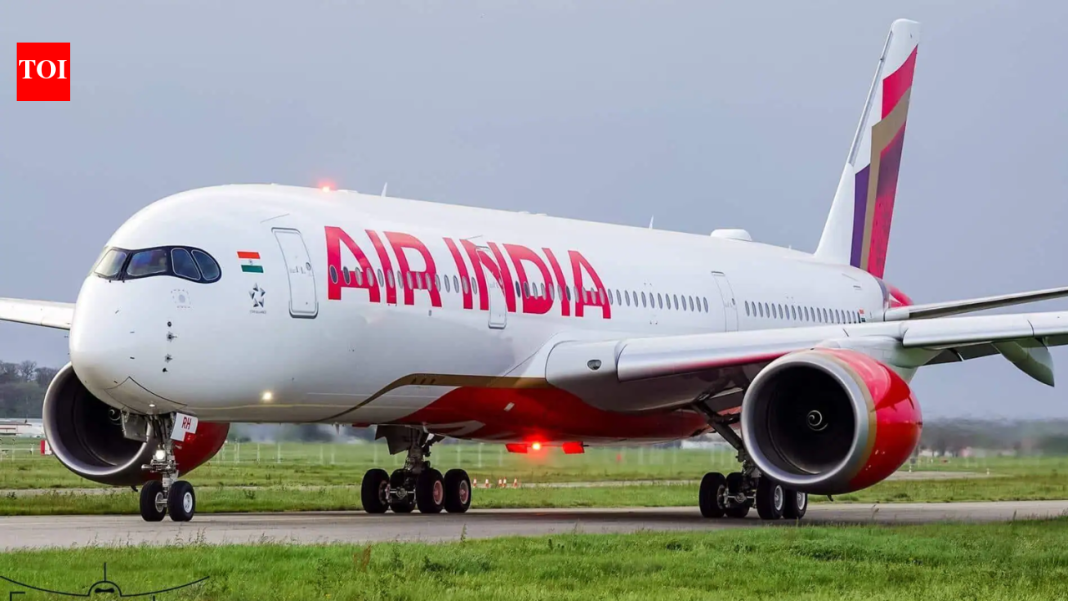
The geopolitical landscape of the Middle East continues to cast long shadows across global industries, and the aviation sector, particularly sensitive to fuel prices and operational stability, finds itself at the forefront of these challenges. In a proactive move to mitigate potential economic fallout, India’s flagship carrier, Air India, has announced an internal strategy aimed at fiscal prudence. The airline has reassured its workforce that there are no immediate plans for layoffs, but has simultaneously urged employees to significantly cut down on non-essential, discretionary spending.
This directive comes amidst escalating tensions in the Middle East, which have historically triggered volatility in crude oil prices and impacted flight routes. For an airline undergoing a massive transformation and expansion under the Tata Group, navigating these external pressures while maintaining internal stability is paramount.
Navigating Global Headwinds: The Aviation Imperative
The Middle East crisis, characterized by regional conflicts and heightened geopolitical uncertainty, poses several direct threats to the aviation industry. Firstly, the most immediate impact is on global oil prices. Any disruption in oil supply routes or increased speculative trading invariably drives up the cost of jet fuel, which constitutes a significant portion of an airline’s operating expenses. For airlines like Air India, operating extensive international networks, even minor fluctuations can translate into substantial additional costs.
Secondly, airspace restrictions and re-routing become a critical concern. As certain regions become no-fly zones or are deemed high-risk, airlines are compelled to take longer, more circuitous routes. This not only increases fuel consumption and operational hours but also adds to crew costs, maintenance cycles, and passenger travel times. Such logistical adjustments can erode profitability and challenge schedule adherence, impacting customer satisfaction and operational efficiency.
Air India, with its ambitious plans for fleet expansion and network growth, including new long-haul routes, is particularly exposed to these global dynamics. The airline’s strategic positioning as a key player in connecting India to the world necessitates a robust framework to absorb external shocks effectively. The directive for spending cuts is thus a preventive measure, designed to fortify the airline’s financial resilience against an unpredictable global environment.
Air India’s Proactive Fiscal Strategy
The internal communication from Air India leadership emphasizes a pragmatic approach: protecting jobs while safeguarding the airline’s financial health. The assurance of “no layoffs” is a significant relief for its thousands of employees, especially in a sector often quick to shed staff during downturns. This commitment reflects a long-term vision and a focus on employee welfare, a departure from practices seen in previous eras of the airline.
However, this stability comes with a call for collective responsibility. Employees have been asked to scrutinize and minimize all forms of discretionary spending. This typically includes restricting non-essential business travel, deferring or cancelling company events, tightening budgets for office supplies, training programs that are not immediately critical, and other operational overheads that can be controlled without impacting core services or safety standards. The directive likely extends to a pause on new non-critical hiring and a strict review of vendor contracts.
A senior official from Air India, speaking on condition of anonymity due to the internal nature of the communication, commented, “Our commitment to our employees remains unwavering. The request for fiscal prudence is a proactive, precautionary measure, ensuring we can navigate these challenging global headwinds without resorting to more drastic steps. It’s about collective responsibility to secure our collective future.” This sentiment underscores the airline’s strategy to foster a culture of mindful spending across all levels of the organization.
Balancing Growth Ambition with Prudent Management
This internal directive comes at a pivotal time for Air India, which is in the midst of a multi-year transformation plan. This includes a massive order for 470 new aircraft, significant upgrades to its service offerings, and a technological overhaul. Such an ambitious growth trajectory requires substantial capital investment and a healthy balance sheet. The current fiscal measures, therefore, are not merely reactive but are integrated into a broader strategy of sustainable growth.
By shoring up its financial position through internal cost controls, Air India aims to insulate its long-term investment plans from short-term market volatilities. This approach allows the airline to continue its modernization drive and fleet expansion, crucial for its vision of becoming a world-class carrier, without being unduly hampered by external geopolitical or economic pressures. The Indian aviation market, while robust, is also highly competitive, making financial stability a critical differentiator.
In conclusion, Air India’s strategy to address the Middle East crisis reflects a mature and balanced approach. By reassuring its workforce of job security while simultaneously advocating for stringent cost controls, the airline aims to build resilience against global uncertainties. This proactive fiscal discipline is poised to play a crucial role in safeguarding its ongoing transformation and securing its future as a formidable player in both domestic and international skies.
—

