


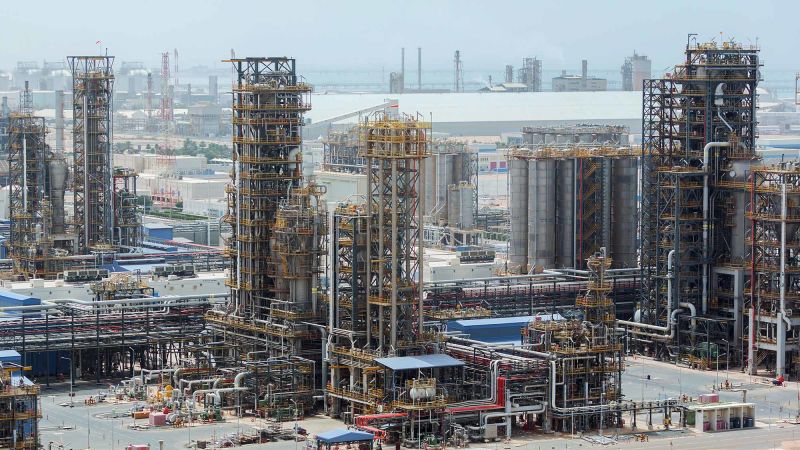
The global energy market is no stranger to volatility, but recent developments have cast a shadow of unprecedented uncertainty over its future. Two major tremors are currently shaking its foundations: the widely discussed potential departure of the United Arab Emirates from OPEC, and the simmering geopolitical tensions surrounding Iran that continually threaten to ignite broader conflict. Together, these events create a complex, unpredictable environment for producers, consumers, and policymakers alike, fundamentally reshaping our understanding of global energy security and supply dynamics.
The UAE’s Shifting Stance: Cracks in the Cartel?
For decades, OPEC has been a dominant force in managing global oil supply and prices. However, the prospect of a key member like the UAE, a significant producer with substantial untapped capacity, considering a departure sends ripples through the entire system. The UAE’s ambitions extend beyond traditional oil production; it’s a nation investing heavily in renewable energy and seeking greater autonomy over its production levels to align with its long-term economic diversification goals. Being bound by OPEC quotas, which often prioritize collective stability over individual growth, can be seen as a constraint.
Should the UAE choose to exit, the implications are profound. It could unleash more oil onto the market, potentially driving prices down in the short term, but also weakening OPEC’s collective bargaining power and its ability to influence global prices. This move would signal a significant fracturing within the cartel, possibly encouraging other members to reconsider their commitments. The very structure of global oil governance could be irrevocably altered, leading to a less coordinated and potentially more volatile market.
As one veteran energy market analyst recently observed, “This isn’t just about crude oil; it’s about the erosion of old alliances and the dawn of a highly unpredictable era where every nation is recalibrating its energy future.” This sentiment underscores the deeper shift at play, moving beyond immediate supply concerns to questions about the long-term viability of established energy blocs.
Geopolitical Tensions Mount: The Iran Factor
Simultaneously, the situation surrounding Iran continues to be a persistent source of anxiety for the energy market. Heightened tensions in the Middle East, whether through proxy conflicts, maritime incidents, or direct confrontations, invariably translate into a risk premium on oil prices. Iran’s strategic location, particularly its control over the Strait of Hormuz – a critical chokepoint for a substantial portion of the world’s seaborne oil – means that any escalation immediately triggers fears of supply disruptions.
The possibility of regional conflict impacts not just the physical flow of oil but also investor confidence and long-term planning. Companies become more hesitant to invest in projects in sensitive regions, and shipping costs rise due to increased insurance premiums. This geopolitical instability adds a layer of unpredictable volatility, making it incredibly challenging for market participants to forecast prices or ensure consistent supply. The constant threat of a supply shock acts as a persistent bullish factor, often outweighing underlying demand trends or global economic concerns.
Navigating the Storm: A New Energy Landscape
The confluence of a potentially weakened OPEC, driven by members like the UAE seeking greater independence, and the enduring geopolitical risk emanating from the Iran situation creates a truly unprecedented challenge. A less cohesive OPEC means less ability to collectively respond to market shocks, whether from a surge in demand or a geopolitical disruption. This could lead to wilder price swings and a more uncertain investment climate.
For consumers, this translates to greater price volatility at the pump and increased economic uncertainty. For producers, it demands more agile strategies, a greater focus on diversifying export routes, and potentially accelerating transitions towards less geopolitically sensitive energy sources. The era of predictable, cartel-managed oil markets seems to be drawing to a close, replaced by a landscape where national interests, technological advancements, and regional instability are the primary drivers.
In essence, the energy world is grappling with a fundamental paradigm shift. The twin pressures of a potential OPEC reshuffle and persistent Middle Eastern tensions are forcing a re-evaluation of energy security, highlighting the critical need for resilience, adaptability, and forward-thinking energy policies worldwide. The path ahead promises to be anything but smooth, requiring careful navigation through uncharted, turbulent waters.

