


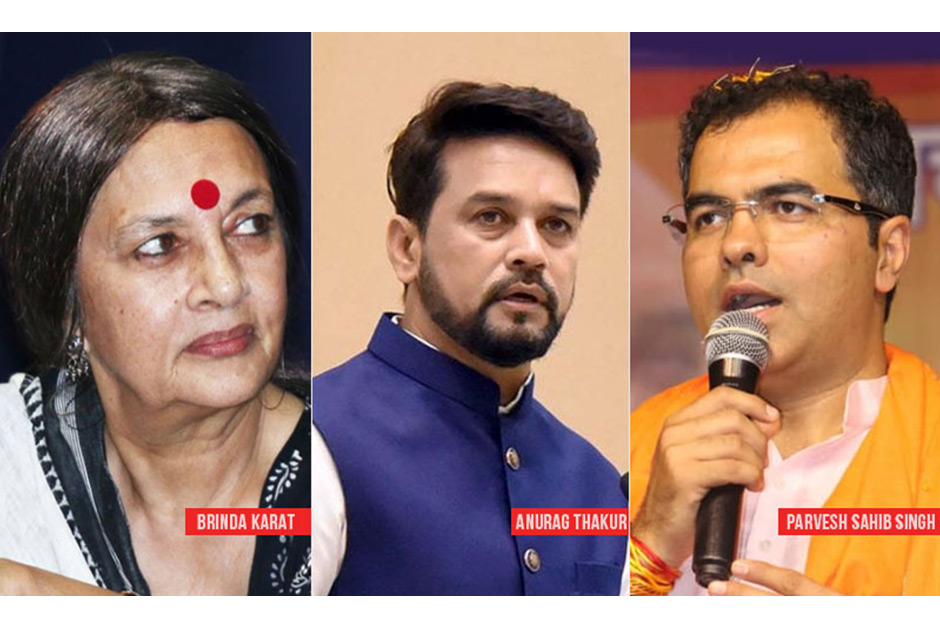
The intricate balance between freedom of speech and the need to curb incitement in a diverse democracy like India often finds its crucible in the courts. A recent verdict from the Supreme Court of India has once again brought this debate to the forefront, ruling that no hate speech offences were made in the speeches delivered by Union Minister Anurag Thakur and BJP MP Parvesh Verma during the tumultuous period of the 2020 Delhi elections and subsequent protests.
This decision, delivered by a bench of Justices B.R. Gavai and Sandeep Mehta, upheld the Delhi High Court’s earlier refusal to direct the registration of FIRs against the two politicians. The ruling dismisses a plea filed by CPI(M) leader Brinda Karat, who had sought prosecution against Thakur and Verma for alleged hate speech. For TrendLyric.com readers, this judgment offers a significant insight into how India’s apex court interprets the contentious concept of hate speech, particularly in the charged atmosphere of political campaigning.
The Genesis of the Controversy: Allegations and Denials
The origin of this legal battle dates back to early 2020, amidst the backdrop of the anti-Citizenship Amendment Act (CAA) protests and the Delhi Assembly elections. Union Minister Anurag Thakur, during a rally in Delhi, had famously led chants of “Desh ke gaddaron ko, goli maaro saalon ko” (Shoot the traitors of the country). Shortly thereafter, BJP MP Parvesh Verma allegedly made statements at an election meeting, perceived by many as communally inflammatory, suggesting that protestors at Shaheen Bagh could “enter homes, rape sisters and daughters.”
Brinda Karat filed a complaint seeking registration of FIRs under various sections of the Indian Penal Code, including 153A (promoting enmity between different groups), 153B (imputations, assertions prejudicial to national integration), and 505 (statements conducing to public mischief). However, both the Magistrate Court and later the Delhi High Court had declined to issue directions for prosecution, primarily citing the absence of sanction from the competent authority, as required under Section 196 of the Code of Criminal Procedure (CrPC) for offences against the state or public tranquility. Karat then approached the Supreme Court, arguing that the need for sanction should not impede the initial registration of an FIR when cognizable offences are alleged.
Supreme Court’s Interpretation: Intent and Impact
The Supreme Court, while hearing Karat’s appeal, delved into the specifics of the alleged speeches and the legal definition of hate speech. The Court reiterated that the question of whether a speech constitutes hate speech is not merely about the words uttered, but also about the intent behind them and their potential impact on public order and communal harmony. In its recent judgment, the bench found no reason to interfere with the Delhi High Court’s decision, effectively agreeing that the speeches, in their specific context, did not constitute offences requiring immediate police action or prosecution under the invoked sections.
The Supreme Court noted that the High Court had extensively examined the issue and applied existing legal precedents. This decision underscores the judiciary’s cautious approach to defining and prosecuting hate speech, especially when it involves political figures. The absence of a precise, universally accepted legal definition of “hate speech” in India often leaves its interpretation to the discretion of the courts, leading to varied outcomes based on specific facts and circumstances. Legal experts frequently point out the fine line between free speech and incitement.
“Prosecuting hate speech is always a tightrope walk for the judiciary,” commented a senior advocate on condition of anonymity. “The critical aspect is to determine if the speech was intended to incite violence or hatred, or if it merely expressed strong, albeit unpalatable, political views. The courts are often hesitant to curb political expression unless there’s a clear and present danger to public order.”
Implications for Free Speech and Public Discourse
The Supreme Court’s ruling in the Anurag Thakur and Parvesh Verma case carries significant implications for India’s political landscape and the ongoing debate surrounding hate speech. It reaffirms the high bar for prosecuting alleged hate speech, particularly when it comes to the element of intent and the requirement of sanction for certain offences. Critics might argue that such judgments could embolden politicians to use inflammatory rhetoric, while proponents might view it as safeguarding freedom of expression in a robust democracy.
This decision highlights the enduring challenge faced by the Indian legal system in distinguishing between offensive speech and speech that genuinely incites hatred or violence. As political discourse becomes increasingly polarized, the judiciary’s role in delineating these boundaries remains paramount, constantly striving to balance fundamental rights with the imperative of maintaining social harmony.
The judgment serves as a reminder that mere strong or disagreeable language, even in a political context, may not always cross the threshold into legally punishable hate speech, necessitating a deeper analysis of intent, context, and potential for actual harm.

