


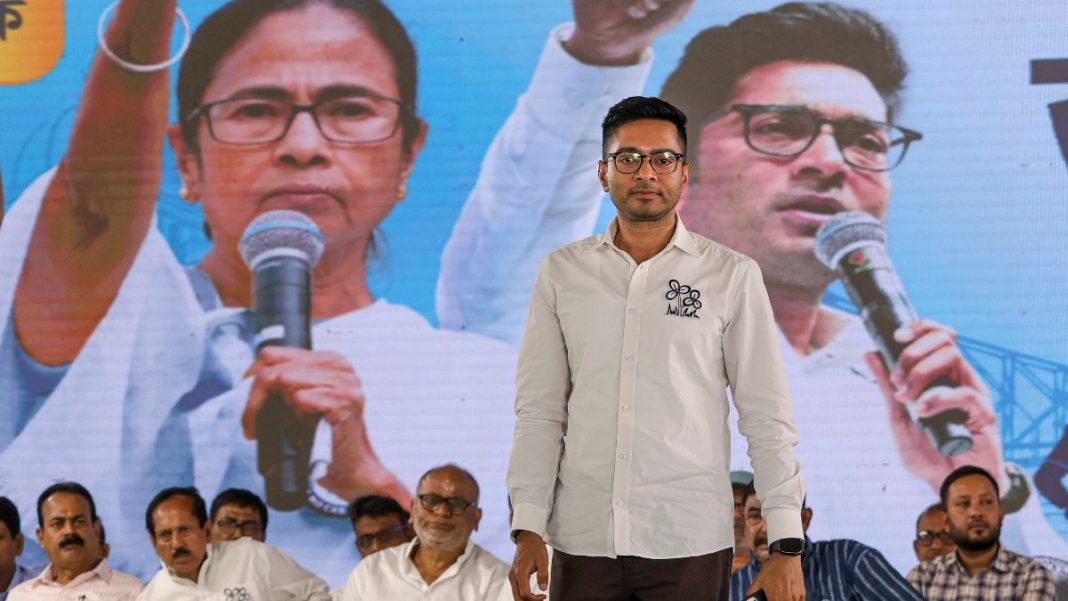
As the political temperature in West Bengal escalates with the ongoing general elections, one constituency consistently draws significant national attention: Diamond Harbour. Located in the South 24 Parganas district, this seat is synonymous with Abhishek Banerjee, the Trinamool Congress (TMC) national general secretary and nephew of Chief Minister Mamata Banerjee. For TrendLyric.com, we delve into why this particular constituency, often seen as a stronghold, remains a critical focal point, embodying more than just a single electoral battle.
Diamond Harbour: A Strategic Gateway in Bengal Politics
Diamond Harbour isn’t merely a geographical location; it holds considerable strategic importance within West Bengal’s political landscape. Situated along the Hooghly River’s estuary, close to the Bay of Bengal, it serves as a crucial economic hub with activities ranging from fishing and agriculture to nascent industrial development and a burgeoning tourism sector. Its proximity to Kolkata also makes it a vital connector for trade and transport, impacting a diverse demographic of urban, semi-urban, and rural voters.
The constituency encompasses a wide array of socio-economic groups, from traditional fishing communities and farmers to small traders and service professionals. This diversity means that local issues, such as infrastructure development, flood management, livelihood security, and access to basic amenities, often weigh heavily on the electorate’s minds. Over the years, the region has witnessed significant development efforts, particularly in road connectivity, healthcare facilities, and educational institutions, largely attributed to the sustained focus of its incumbent representative. The demographic mix ensures that candidates must appeal to a broad spectrum of concerns, making the political discourse here particularly nuanced.
Abhishek Banerjee’s Electoral Fortress and Development Agenda
Abhishek Banerjee’s association with Diamond Harbour has transformed it into a symbol of the Trinamool Congress’s regional dominance. First elected in 2014 and re-elected with increasingly larger margins in 2019, he has established a formidable presence. His tenure has been marked by a strong emphasis on localized development projects aimed at improving the quality of life for his constituents. Initiatives range from strengthening local governance through direct public outreach programs to pushing for better infrastructure and healthcare services.
His campaign strategy in Diamond Harbour often pivots on a narrative of development, accessibility, and direct engagement with the populace. He is known for frequently visiting the constituency, addressing public grievances, and overseeing project implementations. This hands-on approach has resonated with many voters, fostering a sense of connection and accountability. Moreover, as a prominent national face of the TMC, his campaigns also intertwine local achievements with the party’s broader state and national agenda, presenting a holistic vision for the region’s progress. “The electoral battle in Diamond Harbour isn’t just about a constituency; it’s a significant indicator of the TMC’s organizational strength and Abhishek Banerjee’s evolving political stature within the state,” remarked a Kolkata-based political analyst, underscoring its broader implications.
Opposition’s Challenge and the Local Pulse
Despite Abhishek Banerjee’s strong hold, Diamond Harbour is not without its electoral contests. Opposition parties, primarily the Bharatiya Janata Party (BJP) and the Left-Congress alliance, consistently field candidates, viewing the constituency as a high-stakes battleground where even a marginal dent in the TMC’s vote share could send a significant political message. Their strategies often involve highlighting national issues, alleged corruption at various levels, and local grievances that they claim have not been adequately addressed.
The opposition attempts to capitalize on any perceived anti-incumbency sentiment or specific local discontent, trying to sway voters who might be looking for alternatives. However, dislodging an entrenched leader like Abhishek Banerjee requires a monumental effort, often complicated by the TMC’s robust ground-level organization and cadre strength. Local political dynamics, caste equations, and community affiliations also play a subtle yet crucial role in shaping voter preferences, making the contest multifaceted. The political narratives here are often a microcosm of the larger electoral currents sweeping across West Bengal, reflecting both regional pride and national aspirations.
As election results approach, all eyes will be on Diamond Harbour. It represents not just a Lok Sabha seat but a barometer of the Trinamool Congress’s influence, Abhishek Banerjee’s leadership, and the political pulse of West Bengal. Its outcome will undoubtedly have significant implications for state politics and the trajectory of the involved parties, cementing its status as a critical electoral hotspot.

