


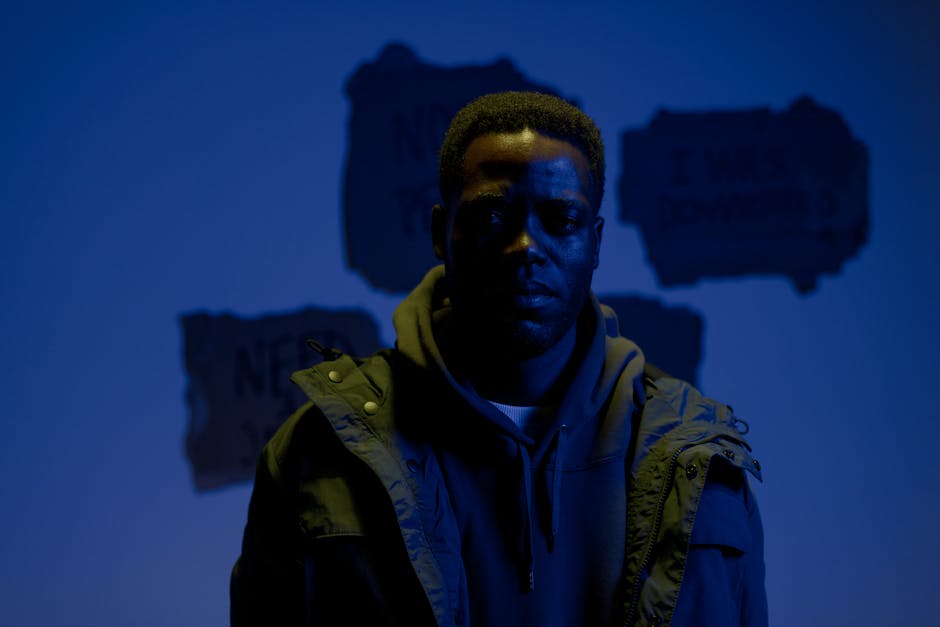
The cinematic landscape is often dotted with remakes, reboots, and reimaginings, each carrying the weight of audience expectations, especially when touching a beloved classic. Netflix’s recent dive into the intense world of “Man on Fire” is no exception. With the exceptionally talented Yahya Abdul-Mateen II stepping into the iconic role of Creasy, there was genuine excitement. And while Mateen II delivers a compelling, nuanced performance, the surrounding narrative struggles to keep pace, ultimately dimming what could have been a brilliant reimagining.
Yahya Abdul-Mateen II: A Masterclass in Understated Intensity
From his first appearance, Yahya Abdul-Mateen II commands the screen. He embodies the quiet desperation and simmering danger of Creasy with a profound authenticity that is captivating to witness. Mateen II doesn’t simply mimic Denzel Washington’s legendary portrayal; he brings a fresh, contemporary vulnerability to the character, showcasing the heavy toll of a man haunted by his past and struggling to find purpose.
His chemistry with the young actress playing Lupita is genuinely heartwarming, providing the emotional core that makes Creasy’s eventual rage so potent. You see the weariness in his eyes, the almost imperceptible shifts as he starts to bond with the child, and then the slow, terrifying awakening of a protector pushed too far. It’s a testament to his talent that he not only stands shoulder-to-shoulder with the iconic Denzel Washington portrayal but manages to carve out his own, equally memorable interpretation. Mateen II showcases a masterclass in conveying immense emotional depth through subtle expressions and powerful physicality. He truly is the undeniable heart and soul of this series.
A Plot That Fails to Ignite
Unfortunately, beyond Mateen II’s magnetic pull, the series often feels like it’s running on fumes. The original “Man on Fire” was a masterclass in escalating tension, a tight, focused narrative that built inexorably towards its explosive conclusion. The Netflix series, by contrast, feels diluted, stretched thin across multiple episodes without adding significant depth or complexity to the central premise. Important character developments and crucial plot points often feel rushed or underdeveloped, leading to a sense of emotional disconnect rather than the gut-wrenching suspense the story demands.
The pacing is inconsistent, with moments of genuine intensity punctuated by long stretches where the narrative seems to wander, unsure of its direction. The supporting cast, while competent, often struggles to create memorable characters, leaving Creasy to carry the entire emotional weight of the show. The world-building, particularly around the criminal underworld and political machinations, lacks the gritty realism and palpable threat that made the source material so impactful. “I really wanted to love it,” one fan shared online. “Yahya was absolutely phenomenal, but by episode four, I found myself checking my phone more than watching. The story just didn’t grab me.” This sentiment echoes a common frustration: a brilliant performance marooned in a less-than-stellar narrative.
Missed Potential
The tragedy of Netflix’s “Man on Fire” isn’t its existence, but its missed potential. With Yahya Abdul-Mateen II anchoring the series with such raw power and charisma, it had every opportunity to be a powerful, gripping drama. Instead, it serves as a stark reminder that even the most phenomenal acting talent cannot single-handedly salvage a narrative that struggles with its own identity and execution. It’s a frustrating watch because the raw material for greatness is clearly there, embodied entirely by its lead.
For fans of Yahya Abdul-Mateen II, it’s a showcase of his undeniable talent and worth watching just to see him work. For those hoping for a faithful, impactful recreation of a beloved thriller, it might leave you wanting more – a lot more.

