


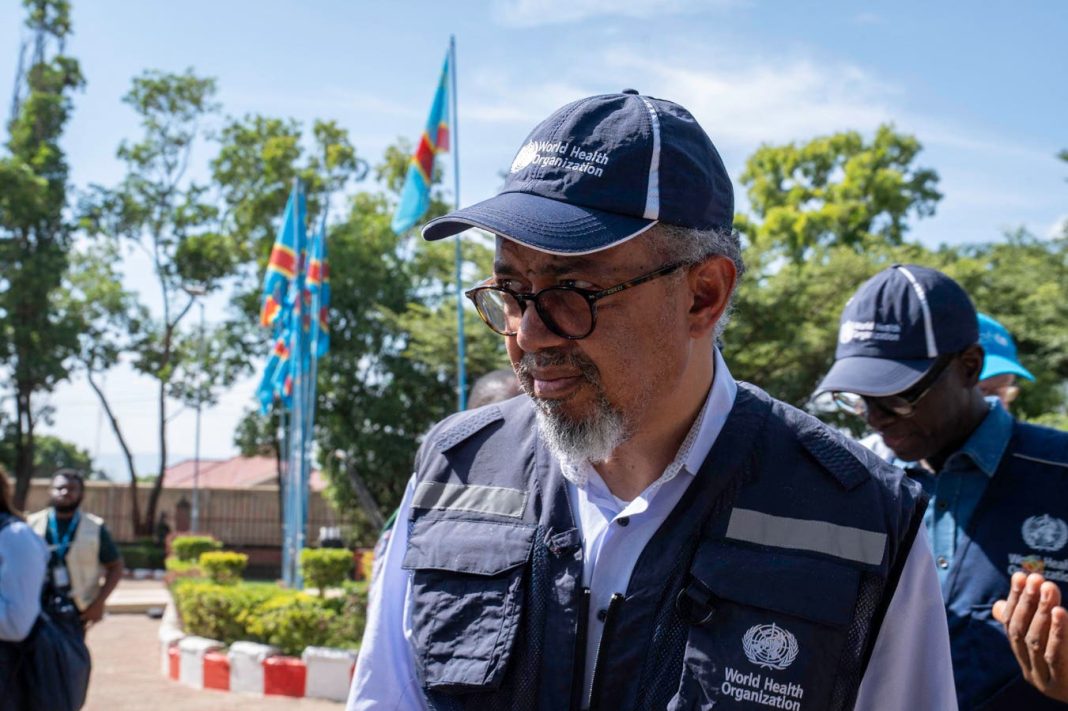
When the head of the World Health Organization (WHO) makes a personal visit to a hotspot, it’s more than just a gesture; it’s a powerful signal. Such is the case with the recent visit to Bunia, a city tragically synonymous with the heart of Africa’s ongoing Ebola outbreak. This isn’t merely a medical crisis; it’s a profound human drama unfolding amidst a complex tapestry of insecurity, displacement, and community mistrust. The presence of the WHO chief on the ground underscores the gravity of the situation and the immense challenges faced by those battling one of the world’s most formidable viruses.
Battling a Virus, Navigating a Labyrinth of Challenges
Bunia, the capital of Ituri province, is not just a geographic location; it’s a crucible where public health initiatives confront a myriad of non-medical obstacles. The Ebola virus, tenacious and deadly, requires rapid detection, isolation, and contact tracing for effective containment. Yet, in Bunia and its surrounding areas, this vital work is frequently hampered by armed conflict, population displacement, and deep-seated suspicion towards external aid efforts. Attacks on health workers and treatment centers have tragically become a recurring feature of this outbreak, delaying response times and pushing already vulnerable communities further to the brink.
The WHO chief’s visit directly addresses this multifaceted struggle. It offers an opportunity for firsthand assessment, not just of the epidemiological data, but of the operational realities on the ground. How do you implement a robust vaccination program when communities are constantly on the move due to insecurity? How do you build trust in a health system when years of conflict have eroded faith in institutions? As one seasoned humanitarian worker, deeply embedded in the local response, observed, “It’s not just the virus we fight; it’s fear, misinformation, and the constant threat of violence. Building trust is our most potent vaccine here, even more so than the actual inoculations.” This candid reflection highlights the intricate dance between medical intervention and community engagement required to turn the tide.
Hope Amidst Adversity: The Human Element of Response
Despite the immense difficulties, the story of Bunia is also one of resilience and unwavering dedication. Local health workers, often underpaid and facing immense personal risks, continue to provide care and conduct crucial outreach. International organizations work alongside them, bringing expertise, resources, and a renewed focus on community-led solutions. The development of new vaccines and treatments has offered significant advancements, shifting the landscape of Ebola response from a purely palliative approach to one with genuine therapeutic and preventative power. However, the logistical challenge of deploying these tools effectively and equitably in such a volatile environment remains formidable.
The WHO chief’s presence serves to amplify the voices of those directly affected and those on the front lines. It’s a reminder that behind every statistic is a human story of loss, survival, and the profound impact of a disease that isolates not just the body, but also the spirit. The focus extends beyond immediate medical needs to encompass psychosocial support for survivors and families, long-term health system strengthening, and sustainable peace-building efforts, all of which are essential for a lasting recovery from Ebola’s devastating grip.
The visit to Bunia is more than a high-profile engagement; it’s a testament to the ongoing, uphill battle against Ebola in one of the world’s most challenging environments. It signals a renewed commitment from the highest levels of global health governance to support those tirelessly working to bring this outbreak to an end. While the path ahead is undoubtedly fraught with obstacles, the solidarity shown and the strategic insights gained from such visits are invaluable in forging a stronger, more effective response. The fight for Bunia, and indeed for Africa, against Ebola continues, fueled by resilience, innovation, and an unwavering commitment to humanity.

