


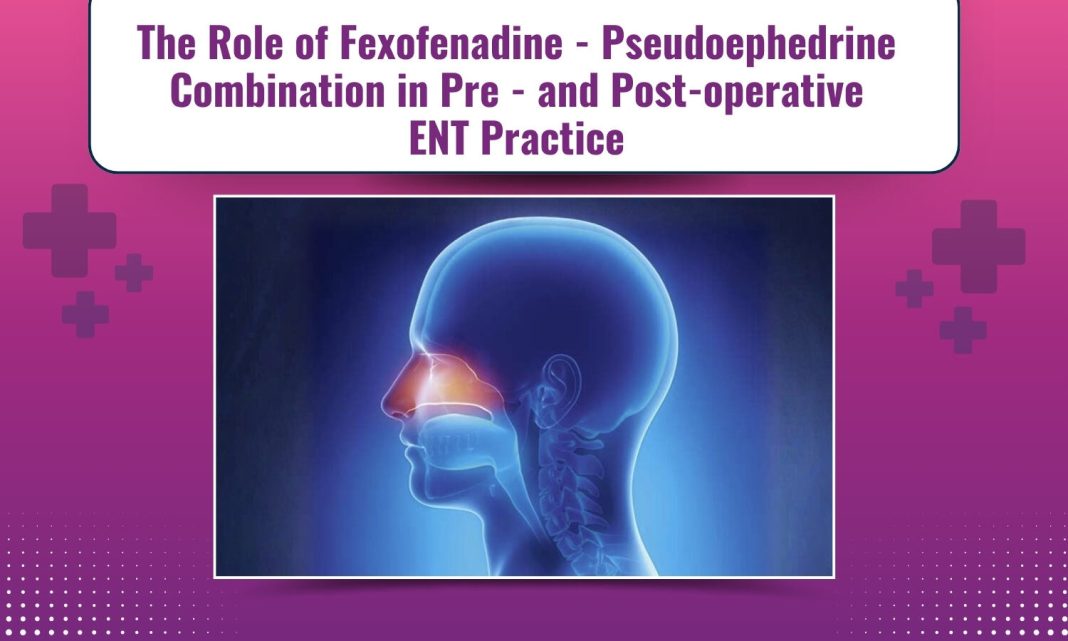
In the bustling landscape of Indian healthcare, where environmental factors contribute to a significant burden of allergic and respiratory conditions, Ear, Nose, and Throat (ENT) specialists frequently navigate complex cases. From persistent allergic rhinitis to chronic sinusitis requiring surgical intervention, effective symptom management is paramount for both patient comfort and successful clinical outcomes. Among the myriad therapeutic options available, the combination of Fexofenadine and Pseudoephedrine has emerged as a valuable tool, strategically employed in both the pre-operative preparation and post-operative recovery phases of ENT practice.
Understanding the Synergistic Duo: Fexofenadine and Pseudoephedrine
The efficacy of this particular combination lies in the distinct yet complementary actions of its two components. Fexofenadine is a second-generation, non-sedating antihistamine. It works by blocking histamine H1 receptors, thereby alleviating common allergic symptoms such as sneezing, itching, watery eyes, and rhinorrhea (runny nose) without inducing significant drowsiness, a crucial advantage for patients in their daily lives. In a country like India, with its varied climates and abundant allergens, managing these symptoms without impairment is vital.
Paired with Fexofenadine is Pseudoephedrine, a sympathomimetic amine that acts as a decongestant. It works by causing vasoconstriction in the nasal passages, which reduces swelling of the mucous membranes and opens up the airways. This decongestant effect is particularly beneficial in conditions where nasal obstruction is a predominant symptom, offering relief from stuffiness and pressure. Together, this combination effectively targets both the allergic inflammatory response and the associated congestion, providing comprehensive symptomatic relief.
Pre-operative Preparation: Paving the Way for Smoother Surgeries
For many ENT procedures, especially those involving the nasal cavity and sinuses, the condition of the mucosal lining is critical. Inflammation, oedema, and excessive mucus production due to underlying allergic rhinitis or chronic sinusitis can significantly complicate surgical access and increase the risk of intraoperative bleeding. This is where the Fexofenadine-Pseudoephedrine combination plays a pivotal role.
Administering this medication in the days leading up to surgery (e.g., septoplasty, functional endoscopic sinus surgery – FESS) can help to significantly reduce mucosal swelling and inflammation. This creates a clearer surgical field, improving visualization for the surgeon and potentially reducing operative time. By minimizing pre-existing congestion and allergic symptoms, patients experience greater comfort, allowing for better sleep and reduced stress leading up to their procedure. Furthermore, a well-managed nasal cavity pre-operatively can lead to fewer unexpected challenges during anaesthesia, such as excessive post-nasal drip or cough, which can affect airway management.
Post-operative Care: Enhancing Recovery and Preventing Complications
The benefits of Fexofenadine-Pseudoephedrine extend well into the post-operative period, playing a crucial role in facilitating healing and preventing complications. Following nasal or sinus surgery, residual swelling and congestion are common. These can impede proper drainage, create an environment conducive to infection, and cause significant patient discomfort. The decongestant properties of pseudoephedrine, combined with fexofenadine’s anti-allergic action, help to:
- Reduce Swelling and Improve Airflow: This aids in the clearance of mucus and crusts, preventing stasis and promoting healthy mucosal regeneration.
- Minimize Allergic Flare-ups: Post-operatively, the healing tissues can be more sensitive, and an allergic reaction can mimic or exacerbate surgical complications. Managing these with an antihistamine prevents unnecessary anxiety and further inflammation.
- Enhance Patient Comfort: By reducing stuffiness, sneezing, and irritation, patients can breathe more easily, sleep better, and experience a less arduous recovery period, which is essential for compliance with post-operative care instructions.
“In our practice, judicious use of Fexofenadine-Pseudoephedrine combinations has consistently shown tangible benefits. It’s not just about symptom relief; it’s about creating optimal conditions for surgery and ensuring a smoother, more comfortable recovery, ultimately leading to better long-term outcomes for our patients,” states Dr. Kavita Sharma, a leading ENT specialist from Apollo Hospitals, Delhi.
While highly effective, it is important to remember that this combination is a prescription medication. Its use must be guided by a healthcare professional, considering patient-specific factors such as comorbidities (e.g., hypertension, cardiac conditions), to ensure safety and appropriateness, particularly in the Indian demographic where self-medication can be prevalent.
The strategic incorporation of Fexofenadine-Pseudoephedrine combinations in ENT practice underscores a holistic approach to patient care. By effectively managing allergic symptoms and nasal congestion both before and after surgery, specialists can enhance surgical precision, mitigate post-operative complications, and significantly improve the overall patient experience. This dual-action medication stands as a testament to targeted pharmacology’s role in modern Indian healthcare, offering a path to clearer breathing and quicker recovery for countless individuals.

