


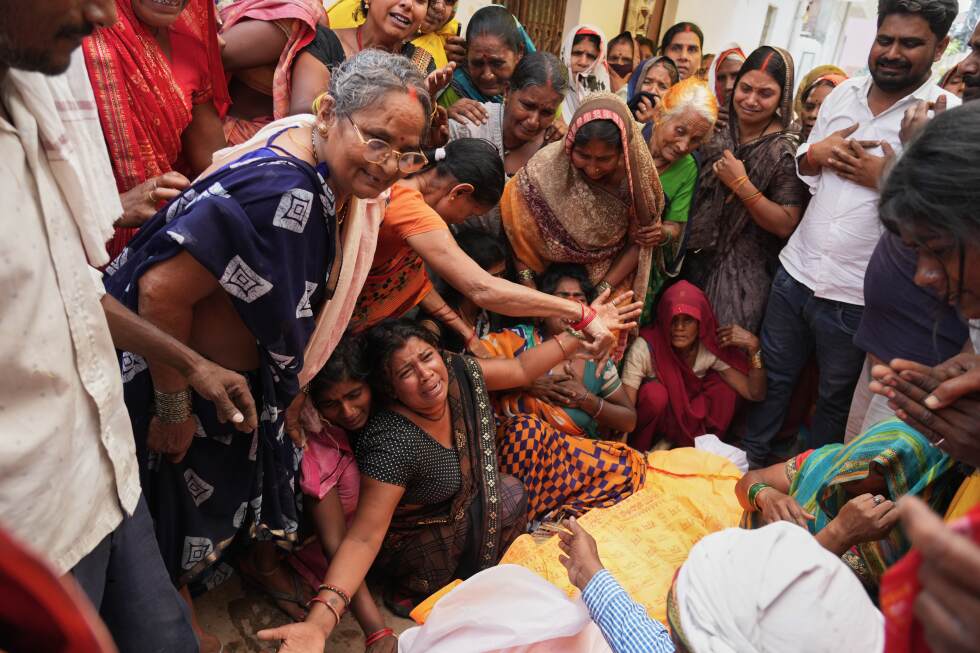
Uttar Pradesh, India’s most populous state, has been struck by a series of powerful dust storms and thunderstorms, leading to widespread devastation and claiming the lives of at least 96 people. The severe weather, characterized by high-speed winds, heavy rainfall, and lightning, has left a trail of destruction across numerous districts, collapsing homes, uprooting trees, and disrupting essential services. This tragedy underscores the increasing vulnerability of regions to extreme weather events and highlights the urgent need for robust disaster preparedness and mitigation strategies.
The Fury of Nature: Widespread Devastation Across UP
The calamity unfolded primarily over a span of several days, with a significant surge in fatalities reported after intense storms lashed the state. Districts such as Agra, Etawah, Kanpur, Mainpuri, and Kasganj were among the worst affected, bearing the brunt of nature’s fury. The storms, often accompanied by strong gusts reaching speeds of up to 100 km/h, caused immense structural damage. Many kutcha (mud and thatch) houses, common in rural areas, crumbled under the pressure, trapping residents. Power infrastructure was severely impacted, with thousands of electricity poles and transmission lines damaged, leading to extensive outages that hampered immediate relief efforts and plunged vast areas into darkness.
Agricultural lands also suffered significant losses, with standing crops flattened, posing a severe threat to the livelihoods of farmers already grappling with various challenges. The suddenness and intensity of the storms left little time for residents to prepare, contributing to the high casualty count. The majority of deaths were attributed to collapsed structures, falling trees, and lightning strikes, painting a grim picture of the immediate aftermath. Rescue teams, including personnel from the National Disaster Response Force (NDRF) and State Disaster Response Force (SDRF), were swiftly deployed to the affected areas, working tirelessly to clear debris, rescue trapped individuals, and provide initial aid to the injured.
Government Response and Relief Measures
In the wake of the disaster, the Uttar Pradesh state government acted promptly to address the crisis. Chief Minister Yogi Adityanath expressed profound grief over the loss of lives and directed district administrations to expedite relief operations. Financial compensation has been announced for the families of the deceased and for those who sustained injuries. According to official announcements, the next of kin of each deceased person are to receive an ex-gratia payment of ₹4 lakh (approximately USD 5,000), while those with serious injuries would receive ₹50,000. Additionally, assistance is being provided for damaged homes and livestock losses, crucial support for the economically vulnerable communities.
Relief camps have been established in the worst-hit regions, offering temporary shelter, food, and medical assistance to displaced families. Efforts are also underway to restore power supply and connectivity, which are vital for communication and coordination of relief activities. “Our priority remains ensuring immediate relief and support to those affected, and we are working tirelessly to restore normalcy and rebuild lives,” stated a spokesperson from the Uttar Pradesh State Disaster Management Authority, emphasizing the government’s commitment to overcoming this tragedy. Medical teams have been mobilized to provide immediate care, and surveys are being conducted to assess the full extent of the damage and ensure that aid reaches all deserving beneficiaries.
Addressing Recurrent Weather Extremes
The recent storms in Uttar Pradesh are not isolated incidents but rather part of a recurring pattern of extreme weather events that have affected various parts of India, particularly during the pre-monsoon season. These periods often witness a confluence of atmospheric conditions conducive to severe thunderstorms, dust storms, and hailstorms. While such phenomena are natural, their increasing frequency and intensity raise concerns about the broader implications of climate change and the need for enhanced resilience.
Developing robust early warning systems, improving weather forecasting capabilities, and investing in climate-resilient infrastructure are paramount. Educating communities, especially in rural and vulnerable areas, about preparedness measures, emergency shelters, and safe practices during extreme weather events can significantly reduce casualties. The Uttar Pradesh tragedy serves as a stark reminder of the urgent need for a comprehensive, multi-faceted approach to disaster management that not only responds effectively to crises but also proactively builds the capacity of communities to withstand future shocks. As the state grapples with the aftermath, the focus remains on recovery, rebuilding, and strengthening mechanisms to mitigate the impact of such devastating events.

