


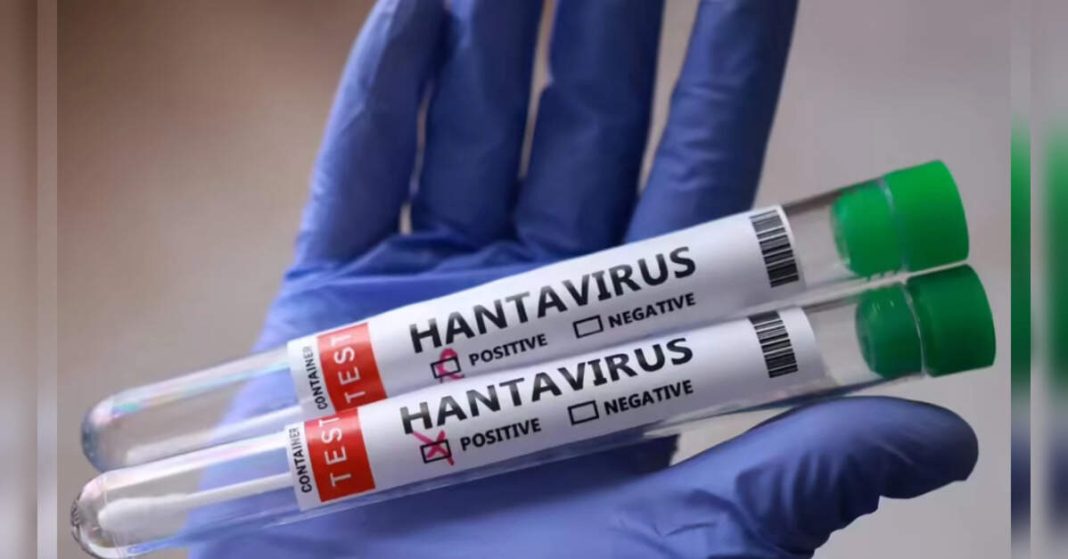
A recent development in Spain has once again brought the spotlight onto zoonotic diseases and global health surveillance. Spanish health authorities have confirmed a new hantavirus case involving a passenger from a cruise ship, pushing the total number of reported cases to eleven. This cluster, though not yet a widespread epidemic, highlights the continuous need for vigilance in an increasingly interconnected world, where diseases can travel as fast as people do.
For a nation like India, with its extensive travel and tourism sector and a large, diverse population, monitoring such global health reports is paramount. While hantavirus is not new, a concentrated cluster like this, particularly with a link to international travel, serves as a crucial reminder of the importance of robust public health systems and proactive measures against emerging or re-emerging infectious threats.
The Growing Hantavirus Cluster in Spain
The latest confirmed case involves an individual who had been on a cruise ship, raising questions about potential exposure pathways and the geographical spread of the virus. This new diagnosis brings Spain’s total hantavirus cases to eleven, prompting heightened concern among public health officials. Details regarding the exact cruise itinerary or the passenger’s origin have not been fully disclosed, but the connection to a cruise ship underscores the potential for rapid dissemination across international borders.
Hantaviruses are a group of RNA viruses primarily transmitted to humans through contact with infected rodents or their excretions (urine, faeces, and saliva). Symptoms can range from mild to severe, typically manifesting as fever, muscle aches, headache, and gastrointestinal issues. Depending on the specific hantavirus strain, infections can lead to either Hantavirus Pulmonary Syndrome (HPS) – a severe respiratory disease predominantly found in the Americas – or Haemorrhagic Fever with Renal Syndrome (HFRS) – more common in Europe and Asia, affecting the kidneys.
Spanish health authorities are reportedly intensifying efforts to trace the contacts of the new patient and investigate the epidemiology of the entire cluster. Understanding the common exposure points for these eleven cases is crucial to containing further spread and implementing targeted preventative measures. While human-to-human transmission of hantavirus is considered rare, vigilant surveillance is essential to rule out any unusual transmission patterns and to assure public safety.
Global Vigilance and India’s Preparedness
The emergence of a hantavirus cluster in Spain, especially with a potential link to international travel, resonates deeply within the global health community. For India, a country that experiences a significant influx of international travellers and boasts its own diverse ecosystems where rodents are prevalent, such news demands immediate attention. India has previously dealt with various zoonotic diseases, including leptospirosis and rat-bite fever, which share similar transmission pathways related to rodent contact. This existing experience underscores the need for continuous preparedness and a strong surveillance framework.
Public health experts in India emphasise the importance of stringent health screenings at ports of entry, especially from regions reporting outbreaks. Furthermore, educating the public about basic hygiene practices, effective rodent control in homes and communities, and safe handling of food can significantly mitigate risks. The challenge lies in our vast geographical spread and varied socio-economic conditions, which necessitate a multi-pronged approach to public health awareness and intervention.
As Dr. Kavita Singh, a leading infectious disease specialist based in Mumbai, states, “This cluster in Spain is a stark reminder that zoonotic diseases, while often localised, demand global vigilance and robust public health infrastructure. For India, it reiterates the need to strengthen our surveillance at borders and enhance public awareness about basic hygiene and environmental sanitation, especially concerning rodent control, to prevent similar outbreaks domestically.”
Moving Forward: A Call for Coordinated Action
The growing hantavirus cases in Spain serve as a global health alert, reinforcing the interconnectedness of our world and the swiftness with which health threats can emerge. While the situation is under control, and health authorities are actively managing the cluster, it’s a critical reminder that vigilance cannot be relaxed.
For India, this development is a call to action to review and bolster our existing public health protocols. Strengthening international collaborations for real-time information sharing, enhancing disease surveillance capabilities, particularly for zoonotic pathogens, and consistently promoting public health education are vital steps. As global travel continues to expand, our collective defence against infectious diseases must evolve proportionally, ensuring the health and safety of communities both at home and abroad.

