


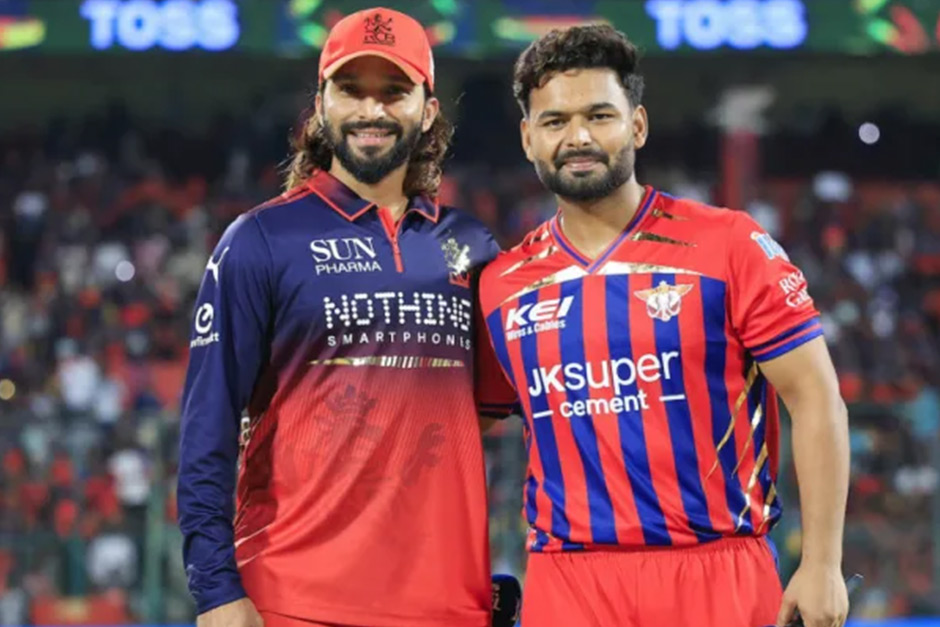
The electrifying atmosphere of Indian cricket perpetually offers fresh narratives, and a recent development from the Royal Challengers Bangalore (RCB) camp has undoubtedly captured the nation’s attention. In a significant tactical shift, RCB opted to bowl first in a crucial encounter, marking the much-anticipated return of star Australian pacer Josh Hazlewood. However, it was another move that sent ripples through the cricketing fraternity: the legendary Virat Kohli was named among the substitutes, poised to come in as an Impact Player. This decision is not just a team sheet alteration; it’s a bold strategic statement in the evolving landscape of T20 cricket.
The Return of the Right-Arm Firepower: Hazlewood’s Impact
RCB’s decision to bowl first often indicates a confidence in their pace attack and an understanding of the conditions, perhaps expecting dew later or preferring to chase. Central to this strategy was the reintroduction of Josh Hazlewood into the playing XI. The towering Australian quick has been a vital cog in RCB’s bowling unit, known for his impeccable line and length, ability to extract bounce, and crucial death-over expertise. His return offers much-needed stability and an international class edge to RCB’s pace battery, which has at times shown vulnerabilities.
Hazlewood’s inclusion invariably means balancing the overseas player slots. His presence allows RCB to apply pressure with the new ball and maintain tight overs in the middle and death phases. For a team often criticized for over-reliance on its batting might, strengthening the bowling department with a proven performer like Hazlewood is a clear intent to address past weaknesses. His ability to deliver breakthroughs and contain opposition scoring rates could be the differentiating factor for RCB in their quest for the elusive trophy.
Balancing the Overseas Contingent
The return of Hazlewood likely necessitated a tough call regarding another overseas player. The Impact Player rule, a relatively new innovation in T20 leagues, provides teams with unprecedented flexibility in this regard. By starting Hazlewood, RCB could leverage his full quota of overs and his formidable presence. This strategic juggling act showcases how teams are adapting to the new rules, using them to optimize their starting XI based on specific match conditions and opponent strengths, rather than being confined by the traditional four-overseas-player limit for the entire game.
Kohli on the Bench: A Tactical Masterstroke or a Conundrum?
Perhaps the most talked-about aspect of RCB’s team selection was the decision to list Virat Kohli as a substitute, enabling him to be used as an Impact Player later in the innings. For a player of Kohli’s stature – a former captain, arguably the face of the franchise, and one of the world’s most prolific batsmen – starting a match on the bench is a rarity that immediately sparks discussion. This move is a testament to the tactical depth the Impact Player rule brings to T20 cricket, allowing teams to be incredibly dynamic.
The reasoning behind such a decision could be multifaceted. It might allow RCB to start an additional overseas bowler or all-rounder, giving them more options upfront. If they are bowling first, it means they can assess the pitch and the opposition’s total before deciding when and in what capacity Kohli, a pure batsman, is best utilized. It also offers the flexibility to bring him in purely for his batting, alleviating any potential fielding concerns or allowing him a managed workload. However, the psychological aspect of having your marquee player on the sidelines, even temporarily, is not to be underestimated.
“This move by RCB, especially with Kohli, truly underscores how the Impact Player rule is changing T20 strategy,” commented former Indian cricketer and analyst, Sanjay Manjrekar. “It’s a bold chess move, allowing them to balance their overseas contingent upfront and bring in an Indian star when needed, thereby maximizing their resources through different phases of the game. It shows teams are thinking deeply about tactical flexibility.”
The cricketing world will be keenly watching how this strategy unfolds. If RCB bowls well and restricts the opposition, bringing Kohli in during a chase could provide the impetus and stability required. Conversely, if the initial batting lineup struggles, Kohli’s entry would be critical to stabilize and accelerate. This strategic flexibility is a double-edged sword: it offers immense potential but also puts immense pressure on the initial eleven to perform and lay the groundwork.
Conclusion: The Evolving Face of T20 Cricket
RCB’s tactical decisions – bowling first, the return of Josh Hazlewood, and the nuanced deployment of Virat Kohli as an Impact Player – highlight the increasingly sophisticated strategic dimensions of T20 cricket. Teams are no longer just picking their best eleven; they are meticulously planning how to utilize their entire squad, leveraging rules like the Impact Player to gain a competitive edge. This evolution promises more dynamic games, where strategies unfold not just over the course of an innings, but right from the toss to the final ball. For RCB, a franchise perennially under the spotlight, these bold moves demonstrate a clear intent to innovate and adapt, hoping to script a new chapter in their storied journey.
The game of cricket, especially in its shortest format, continues to reinvent itself, and these strategic shifts by RCB are a prime example of how teams are pushing the boundaries of conventional wisdom in pursuit of success.
—

