


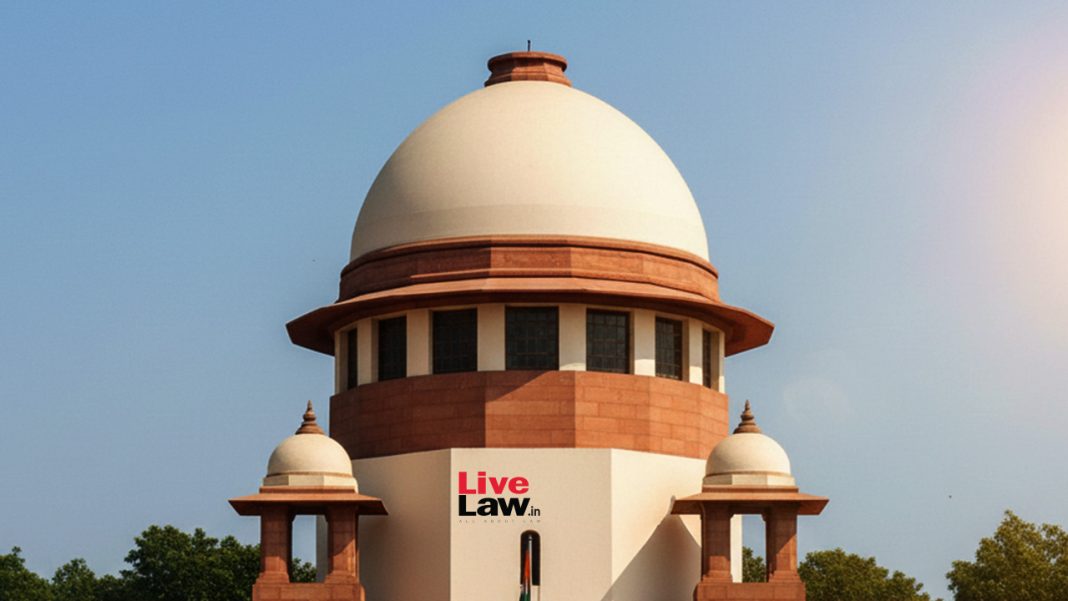
India’s judicial landscape is poised for a significant change as the President has promulgated an ordinance to increase the number of judges in the Supreme Court. This crucial development will raise the sanctioned strength of the apex court by four, moving it from the current 34 (Chief Justice of India plus 33 judges) to 38 (Chief Justice of India plus 37 judges). The move, undertaken through the executive route of an ordinance, signals a proactive approach to address the persistent issue of case pendency and ensure swifter delivery of justice.
The decision comes amidst long-standing concerns about the immense workload borne by the Supreme Court, which functions as the final court of appeal and a crucial interpreter of the Constitution. With an ever-increasing docket of cases, the existing strength has often struggled to keep pace, leading to delays that undermine public confidence in the judicial system. This ordinance marks a pivotal step towards bolstering the institutional capacity of India’s highest judicial body.
Addressing India’s Judicial Burden
The rationale behind increasing the number of Supreme Court judges is rooted in the alarming statistics of judicial backlog across the country. While precise figures fluctuate, millions of cases are pending across various courts in India, with a significant number eventually reaching the Supreme Court. The sheer volume of matters — ranging from constitutional questions and public interest litigations to appeals against High Court judgments — places an extraordinary burden on the current bench strength.
An increase in the number of judges is expected to allow for the formation of more benches, thereby enabling quicker disposal of cases. It could also potentially facilitate the creation of specialized benches to deal with particular areas of law, leading to more focused and efficient adjudication. Historically, the strength of the Supreme Court has been periodically increased to meet the evolving demands of the justice system. For instance, the number of judges (excluding the CJI) was last increased from 30 to 33 in 2019, and prior to that, from 25 to 30 in 2009, reflecting a consistent pattern of enhancing judicial capacity as the nation’s legal complexities grow.
The present move underlines the government’s acknowledgment of the urgent need for judicial reinforcement. By providing the Supreme Court with more judicial resources, the aim is to ensure that justice is not only delivered but also delivered expeditiously, upholding the constitutional mandate of a fair and timely judicial process.
The Ordinance: Legal Framework and Expectations
The President’s power to promulgate an ordinance is enshrined in Article 123 of the Indian Constitution, allowing the executive to enact legislation when Parliament is not in session and immediate action is required. This ordinance will amend The Supreme Court (Number of Judges) Act, 1956, which governs the strength of the apex court. While an ordinance has the same force and effect as an Act of Parliament, it is a temporary measure. It must be laid before both Houses of Parliament and cease to operate six weeks from the reassembly of Parliament, or if disapproved by resolutions passed by both Houses earlier. This means the government will need to introduce a Bill in the upcoming parliamentary session to convert the ordinance into a permanent law.
Once the increase in sanctioned strength is formalized, the process of appointing the new judges will follow the established procedure involving the Supreme Court Collegium, which recommends names for appointment, followed by presidential assent. The selection of these judges will be crucial, as their expertise and judicial temperament will significantly impact the Court’s functioning.
Legal luminaries have largely welcomed the decision, viewing it as a necessary step. “While increasing judicial strength is a welcome and necessary step to address the colossal backlog, it must be viewed as part of a larger, systemic reform agenda for our courts,” commented Mr. Raghunath Singh, a senior advocate at the Supreme Court. “More judges can certainly expedite disposal, but we also need to look at infrastructure, technology integration, and procedural efficiencies to truly transform the judicial experience.” His observation highlights that while the increase in numbers is vital, it forms just one component of a broader strategy required for comprehensive judicial reform.
Beyond Numbers: A Holistic Approach to Justice
While the ordinance to increase the number of Supreme Court judges is a significant step, its true impact will be realized only when complemented by other ongoing and future judicial reforms. The Indian judiciary faces challenges beyond just the strength of its benches, including inadequate judicial infrastructure, the need for enhanced use of technology, and continuous training for judicial officers.
Initiatives like the e-Courts project, promoting alternative dispute resolution mechanisms, and streamlining court procedures are all vital components of a holistic approach to justice delivery. The addition of four new judges to the Supreme Court’s bench strength is expected to alleviate some of the immediate pressures, allowing the Court to dedicate more time to complex constitutional matters and critical appeals. It signals a governmental commitment to strengthening the judiciary’s capacity to uphold the rule of law and ensure timely justice for all citizens.
The coming months will be crucial as Parliament debates and potentially ratifies the ordinance, and as the Collegium identifies suitable candidates for the elevated positions. The ultimate goal remains to enhance the efficiency, accessibility, and overall efficacy of India’s judicial system, ensuring that justice is not delayed and remains within reach for every Indian citizen.

