


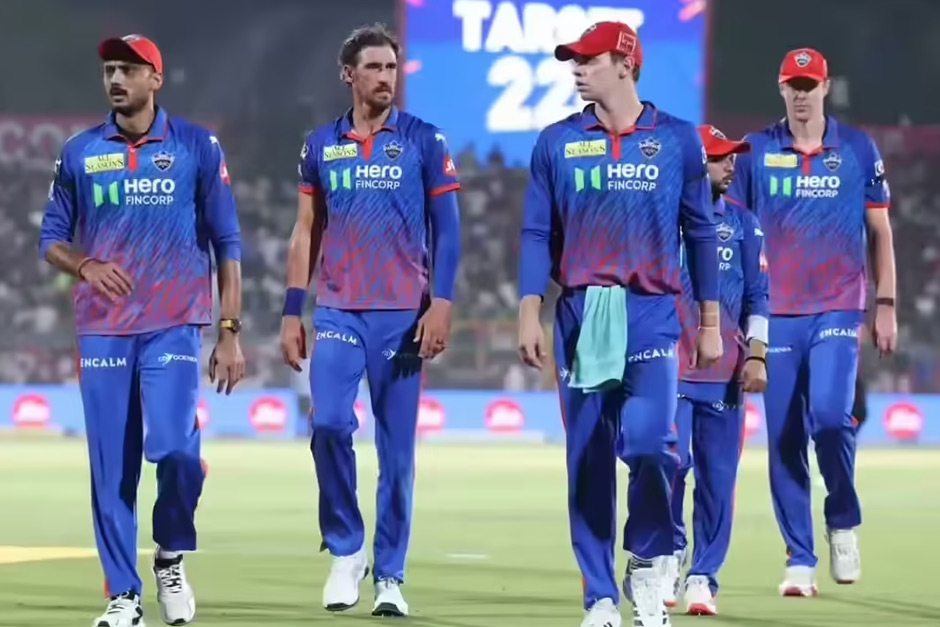
The Indian Premier League (IPL) is a theatre of dreams, where fortunes can turn on a single delivery. For the Delhi Capitals (DC) in IPL 2026, however, it largely remained a stage of unfulfilled potential and gnawing disappointment. Touted by many as strong contenders with a balanced squad at the start of the season, DC’s campaign unravelled with alarming predictability, culminating in yet another early exit. From failing to convert their home ground into a fortress to exhibiting a distinct lack of bite in their bowling and a noticeable slowness in their batting approach, the Capitals’ season was a comprehensive study in what not to do.
The Fading Fortress: A Dismal Home Run
One of the most perplexing aspects of Delhi Capitals’ IPL 2026 journey was their inability to dominate at their traditional stronghold, the Arun Jaitley Stadium. Historically, home advantage in the IPL has been a significant factor, with teams leveraging familiar conditions and fervent crowd support to build momentum. For DC, this advantage proved to be an illusion.
The pitches in Delhi, often known for assisting spinners and offering variable bounce, seemed to work against their own strategy. Opposing teams adapted quicker, exploited the conditions better, and often outmanoeuvred the Capitals on their own turf. Whether it was failing to chase manageable totals or being unable to defend competitive ones, the home fixtures became a source of anxiety rather than comfort. The pressure of playing in front of their passionate, yet increasingly frustrated, home crowd appeared to stifle rather than inspire. This struggle at home significantly hampered their league standing, making their road to the playoffs an uphill battle from the outset.
Bowling Blues and Batting Blahs: A Dual Weakness
Beyond the home struggles, two fundamental cricketing departments – bowling and batting – consistently let the Delhi Capitals down, revealing deep-seated structural issues within the squad.
Toothless Bowling
DC’s bowling attack, on paper, possessed a mix of experienced campaigners and exciting young talent. Yet, on the field, it frequently appeared toothless. The inability to pick up wickets at crucial junctures, especially in the powerplay and death overs, was a recurring nightmare. The pace attack, despite moments of brilliance, often struggled for consistency, leaking runs at an alarming rate during critical phases. Spinners, too, couldn’t consistently provide the breakthroughs or apply the chokehold expected of them in Indian conditions. There was a palpable lack of a collective bowling effort, with too much reliance on individual moments of magic that rarely materialised. This meant opposition teams often found it relatively straightforward to build partnerships and accelerate towards daunting totals or comfortably chase down targets.
Slow Batting
Complementing the bowling woes was a batting lineup that frequently found itself bogged down, particularly in the middle overs. While there were flashes of individual brilliance, the overall approach often lacked the aggressive intent and innovative flair required in modern T20 cricket. The powerplay overs, meant for setting a brisk pace, were often characterised by caution, putting undue pressure on the middle order. Once the field spread, the Capitals struggled to rotate strike effectively and accelerate, leading to many overs passing by without the desired boundary count.
This conservative mindset often resulted in below-par totals or left too much to do for the lower order, which rarely had the firepower to compensate. As Ravi Sharma, a prominent cricket analyst, observed, “The Capitals lacked that decisive punch, that fearless intent often seen in successful IPL teams. Their batting, while technically sound, often felt like it was playing a format behind, struggling to adapt to the explosive demands of T20 cricket in 2026.” The contrast between their scoring rate and that of their opponents was stark, highlighting a strategic misstep in their batting philosophy.
In conclusion, Delhi Capitals’ IPL 2026 campaign was a stark reminder that talent alone isn’t sufficient for success in the demanding IPL environment. Their failure to establish a home fortress, coupled with a bowling attack that lacked penetration and a batting unit that was often too slow, painted a clear picture of a team that fell short on multiple fronts. The management now faces the formidable task of extensive introspection and strategic recalibration for IPL 2027, needing to address these deep-seated issues if they are to ever truly challenge for the coveted trophy.

