


Quick Summary
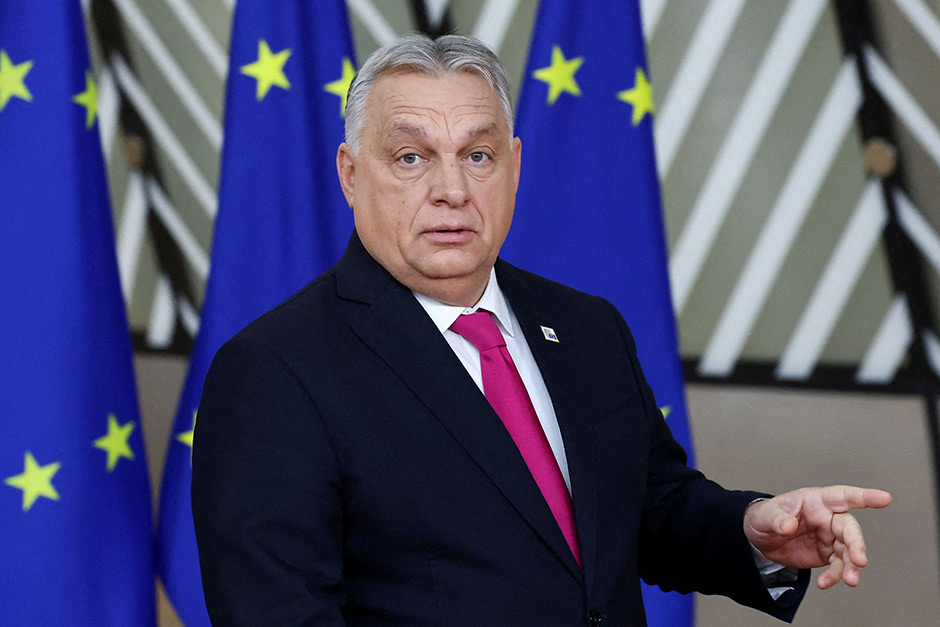
The European Union is reportedly celebrating a significant political shift as Hungary’s long-serving Prime Minister, Viktor Orban, a vocal critic of Brussels and ally of Donald Trump, has been defeated in recent elections. This outcome signals potential easing of long-standing tensions between Hungary and the EU.
What Happened
In a surprising turn of events, Viktor Orban, who has led Hungary for over a decade, lost his bid for re-election. His Fidesz party, known for its nationalist stance and frequent clashes with EU policies on rule of law and migration, was unseated. The defeat comes after years of Orban openly defying Brussels on various issues, often aligning with a more populist, anti-establishment narrative.
Why It Matters
Orban’s electoral loss is seen as a major victory for the EU and a setback for the bloc’s populist movements. It could herald a new era of cooperation between Budapest and Brussels, potentially resolving disputes over democratic backsliding and financial aid. For many European officials, it marks a positive development for democratic norms within the Union.
As one EU diplomat reportedly stated, “This election result truly marks a turning point, not just for Hungary, but for the entire European project.”
Bottom Line
The defeat of Viktor Orban reverberates across Europe, offering a fresh start for EU-Hungary relations and challenging the narrative of entrenched populist power. It represents a significant win for Brussels and opens the door for a potentially more unified European front.

