


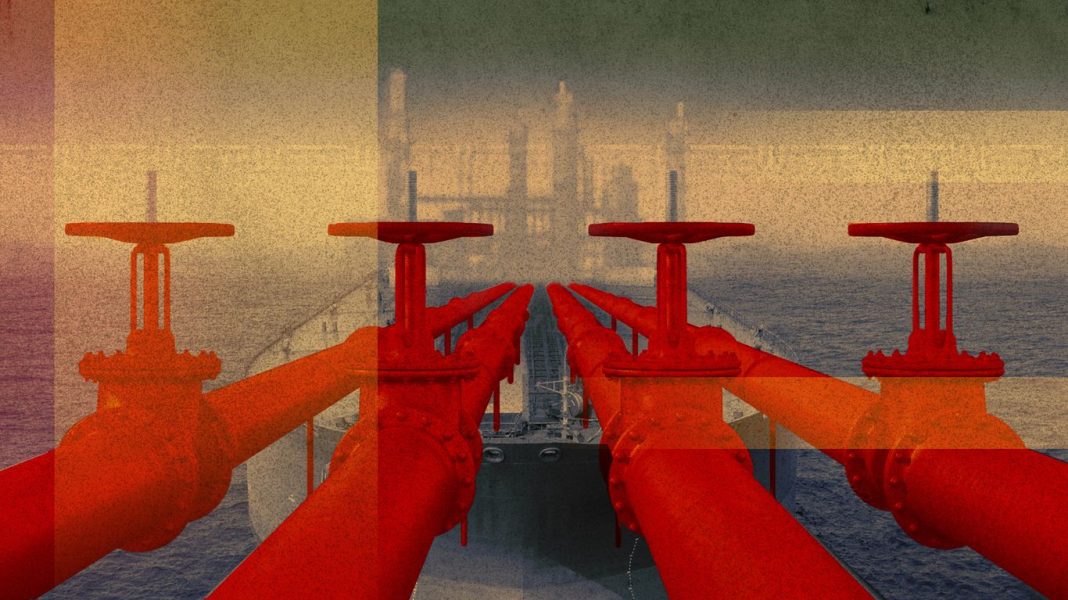
Remember that all-too-familiar feeling? The slight dread as you pull up to the gas station, eyes darting to the price per gallon, bracing yourself for the inevitable hit to your wallet. For what seems like an eternity, rising fuel costs have been a constant companion, squeezing household budgets and making everything from groceries to holiday travel more expensive.
But lately, something different is happening. Gas prices, after reaching dizzying heights, are beginning to retreat. This isn’t just a seasonal blip; the whispers from geopolitical circles point to a surprising catalyst: a potential deal between the U.S. and Iran. And if those whispers become reality, your wallet might just get a much-needed break.
The Price Tag of Potential: What Falling Oil Means for You
When global oil prices dip, it’s like a positive ripple effect that touches almost every aspect of our daily lives. The most immediate and noticeable impact, of course, is at the pump. Cheaper crude oil means cheaper gasoline, translating directly into savings for commuters, delivery services, and anyone who relies on a vehicle.
It’s not just the pump where we see the change. Think about the cost of everything that needs to be transported: food, clothes, electronics. Lower fuel costs for shipping and logistics companies can ease inflationary pressures, potentially leading to more stable or even lower prices for consumer goods. This cumulative effect can offer significant relief, especially for families balancing tight budgets.
As Maria, a busy parent managing two jobs, recently shared, “Honestly, when I see gas prices drop, it’s not just about saving a few bucks – it’s about a tiny bit of breathing room in an otherwise tight budget. Every bit helps, especially with everything else getting more expensive.” That sentiment captures the profound personal impact of these broader economic shifts.
Geopolitics Meets Your Wallet: The Iran Factor
For years, Iranian oil has largely been kept off the global market due to international sanctions. Iran possesses vast oil reserves, and its inability to freely export has significantly reduced the overall supply of crude oil available to the world. Less supply, as basic economics teaches us, generally leads to higher prices.
Now, diplomatic efforts between the U.S. and Iran are reportedly making headway towards a potential deal. While the specifics are complex and subject to ongoing negotiations, a breakthrough could mean a significant return of Iranian crude, adding millions of barrels daily to the world’s supply. This anticipated influx of oil would increase global supply, putting downward pressure on prices.
As energy market strategist Dr. Anya Sharma recently noted, “The market is incredibly sensitive to supply expectations. The mere prospect of Iranian oil re-entering the global pool is enough to shift sentiment and, consequently, prices, offering a crucial psychological and practical relief.” It’s a prime example of how geopolitical maneuvering directly translates to tangible effects on everyday consumers.
A Delicate Balance: Hope and Uncertainty
While the prospect of a deal is exciting for those hoping for continued relief at the pump, it’s important to remember that diplomacy is often a delicate dance. Negotiations can be protracted, and agreements can be fragile. Markets, ever the forward-thinkers, are reacting to the possibility of a deal, not necessarily its certainty.
However, the fact that such discussions are even taking place, and are impactful enough to move a global commodity market, speaks volumes about their significance. This isn’t just about turning on an oil spigot; it’s about a complex interplay of international relations, economic stability, and the daily grind of ordinary people trying to make ends meet.
Looking Ahead: A Breath of Fresh Air?
So, while the geopolitical chess game continues behind closed doors, the ripple effects are already being felt on our streets and in our budgets. The potential for a U.S.-Iran deal serves as a powerful reminder of how interconnected our world truly is – how decisions made in distant capitals can directly influence the cost of your morning commute or your weekly grocery run.
For now, we can perhaps breathe a little easier, enjoying the prospect of more affordable fuel and the potential for a broader easing of economic pressures. It’s a compelling narrative of how diplomacy, even when complex, can sometimes deliver tangible benefits right to your doorstep.
*

