


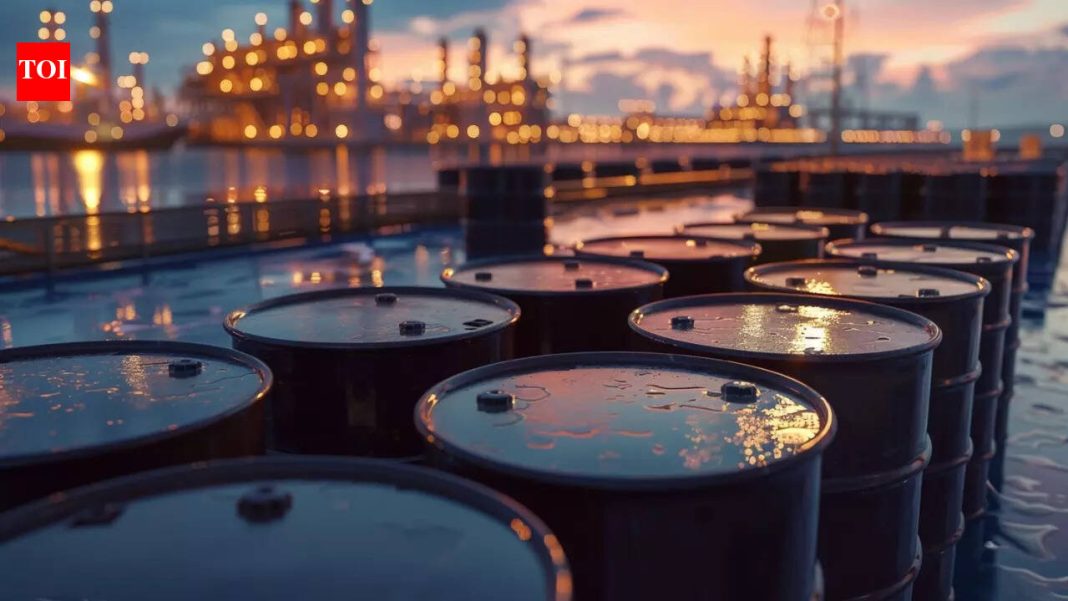
The global energy landscape witnessed a significant tremor this week as crude oil prices surged, with Brent crude futures touching a seven-year high of over $113 per barrel. This sharp uptick was primarily triggered by a series of drone attacks on oil storage facilities in Abu Dhabi, United Arab Emirates (UAE). The incident, claimed by Yemen’s Houthi rebels, immediately injected fresh instability into an already volatile global oil market, sending ripples of concern across major importing nations, including India.
Geopolitical Tensions Fuel Price Surge
The attack on the Abu Dhabi National Oil Company (ADNOC) storage tanks and an extension to Abu Dhabi International Airport on Monday morning underscored the precarious nature of Middle Eastern geopolitics. While the direct impact on UAE’s crude exports was assessed as minimal by authorities, the psychological effect on market sentiment was profound. The UAE is a key member of OPEC+ and a significant global oil producer, making any disruption or threat to its energy infrastructure a major concern for global supply stability.
This incident comes at a time when global demand for oil has been steadily recovering from the pandemic-induced slump, pushing against a supply chain that has struggled to keep pace. OPEC+ nations, despite calls from major consumers, have largely stuck to their calibrated monthly output increases, citing various reasons including underinvestment and capacity constraints. The Houthi attacks merely added another layer of risk premium to crude prices, highlighting the vulnerability of critical energy infrastructure in a region vital to global supply. Traders and analysts alike are now factoring in heightened security risks into their price models, anticipating further volatility.
The Ripple Effect on India’s Economy
For India, a nation heavily reliant on oil imports, the surge in crude prices presents a considerable economic challenge. India imports over 85% of its crude oil requirements, making its domestic economy highly susceptible to international price fluctuations. The direct consequence for the average Indian consumer is likely to be felt at the fuel pump, with retail prices of petrol and diesel expected to climb further. This, in turn, fuels inflationary pressures across various sectors.
Transportation costs, a critical component of supply chains for everything from food to manufactured goods, will inevitably rise. Industries heavily dependent on fuel, such as logistics, aviation, and manufacturing, face increased operational expenditures, which could eventually be passed on to consumers. The government, already navigating a delicate balance between fiscal prudence and providing relief to citizens, faces a tough decision regarding excise duties on fuel. While a reduction in duties could offer temporary respite, it would also impact government revenues vital for development projects.
“The persistent rise in crude oil prices, exacerbated by geopolitical flashpoints like the UAE attack, puts immense pressure on India’s import bill and current account deficit,” says Dr. Sanjeev Gupta, a Mumbai-based energy economist. “Policymakers will need to consider strategic interventions, perhaps exploring diversified energy sources or strengthening energy security partnerships, to mitigate the long-term impact on our economy and consumer purchasing power.”
Navigating Global Dynamics and Future Outlook
The immediate future for crude oil prices appears to be characterized by continued uncertainty. While some analysts believe the market has already priced in the current geopolitical risks, any further escalation in tensions in the Middle East or a significant disruption to supply could push prices even higher. The role of major oil producers, particularly OPEC+, in stabilizing the market through increased output will be crucial, though their current stance suggests a cautious approach.
Global economic recovery, coupled with constrained supply and geopolitical risks, creates a complex environment for energy markets. For India, this situation underscores the urgent need to accelerate its transition towards renewable energy sources and enhance domestic oil and gas exploration to reduce its import dependence. Until then, the nation’s economic stability will remain closely tied to the volatile tides of international crude oil prices and the geopolitical currents that shape them.

