


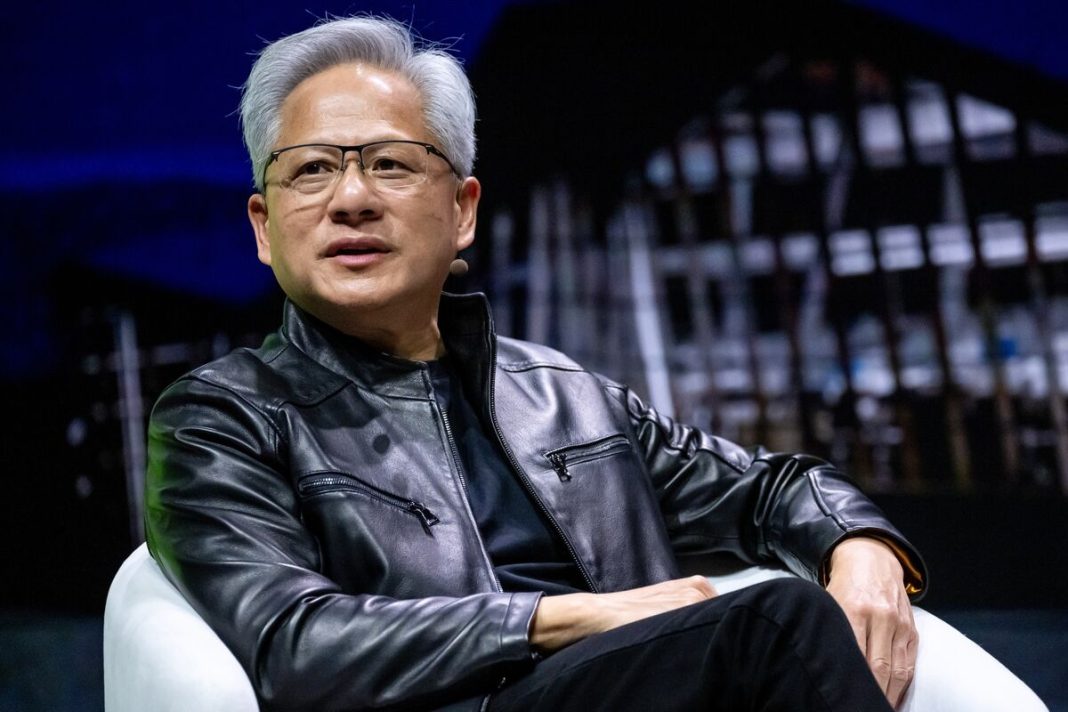
In the high-stakes chess game of global politics and technological supremacy, few moves are as unexpected – or as telling – as a last-minute addition to a presidential delegation. When word emerged that Jensen Huang, the visionary CEO of Nvidia, joined a prominent political figure on a critical diplomatic trip to China, it sent ripples through boardrooms and policy circles alike. His presence wasn’t just a surprise; it was a potent symbol of the intricate web binding tech giants, national interests, and the future of innovation.
The AI Arms Race and Shifting Sands
The backdrop to Huang’s unexpected appearance is nothing short of a global technological showdown, with artificial intelligence and advanced semiconductors at its very core. The United States has been increasingly assertive in limiting China’s access to cutting-edge chip technology, viewing it as a matter of national security and economic competitiveness. These export controls have profoundly impacted companies like Nvidia, which stands at the forefront of AI chip development. The race to dominate AI isn’t just about market share; it’s about military superiority, economic leverage, and defining the technological landscape for decades to come.
Against this tense backdrop, the political landscape is always shifting. The trip itself represented a pivotal moment for international relations, underscoring the deep economic ties and equally deep strategic rivalries between the two global superpowers. Huang’s decision to join such a delegation speaks volumes about the direct influence of these geopolitical currents on even the most innovative private enterprises.
Nvidia’s Tightrope Walk
For Nvidia, the China market is colossal – a significant portion of its revenue has historically come from the region. However, navigating the labyrinth of U.S. export restrictions has become a precarious balancing act. The company has famously developed modified, “de-tuned” chips specifically for the Chinese market to comply with U.S. regulations while still attempting to serve its customers there. This strategy highlights the immense pressure tech companies face: uphold national security directives from their home country while simultaneously striving to maintain access to a critical, revenue-generating market.
Huang’s presence on the trip can be seen as an effort to advocate directly for his company’s interests, but perhaps more broadly, for the entire semiconductor industry. Clarity, predictability, and open lines of communication are vital for long-term investment and innovation, especially in a sector that requires billions in R&D. The sudden shifts in policy can have devastating consequences for supply chains and product roadmaps, making direct engagement with policymakers an absolute necessity.
“When a CEO of Huang’s stature joins a high-level diplomatic mission at the eleventh hour, it’s a clear signal that the stakes are incredibly high for their industry,” commented Dr. Eleanor Vance, a geopolitical tech analyst. “It’s not just about selling chips; it’s about shaping the dialogue around technology sovereignty and the future of global trade policies.”
Reading Between the Lines
What does Jensen Huang’s surprise inclusion truly signify? On one level, it suggests a direct channel for an industry leader to voice concerns, offer insights, and perhaps even seek reassurances regarding future policy directions. It’s an opportunity to bridge the gap between technological realities and political aspirations, especially when those aspirations directly impact global technology supply chains.
Beyond direct advocacy, his participation carries significant symbolic weight. It underscores that technology, particularly advanced semiconductors and AI, is no longer merely an economic commodity; it is a central pillar of national power and diplomatic strategy. The private sector’s role in these high-level discussions is becoming increasingly vital, moving beyond mere lobbying to direct, active participation in shaping international policy. This isn’t just business as usual; it’s a new era of tech diplomacy.
The unexpected presence of Nvidia’s CEO on a critical China trip served as a powerful reminder of how inextricably linked technology, commerce, and geopolitics have become. It highlighted the immense pressures on tech leaders to navigate an increasingly fractured global landscape and the imperative for direct dialogue in times of uncertainty. As the world continues its march into an AI-driven future, the strategic importance of semiconductors will only intensify, making such high-stakes engagements more common, and their outcomes more impactful, than ever before.

