


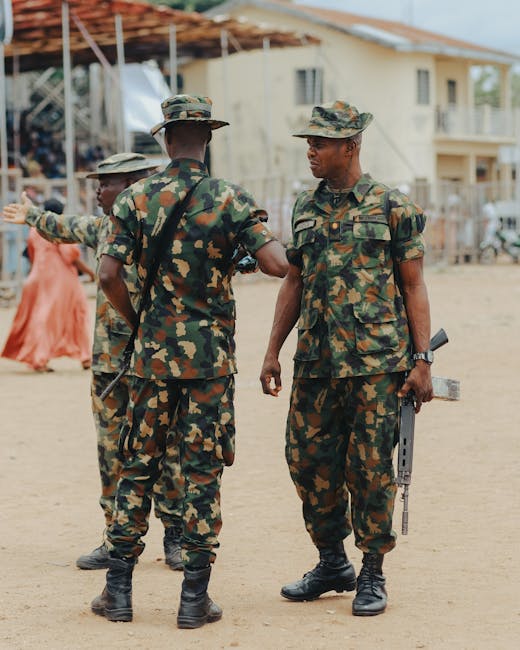
A significant development has unfolded in the northern reaches of Mali, as reports confirm the withdrawal of Malian government forces and allied Russian personnel from the strategic town of Kidal. This move follows a series of coordinated assaults by various rebel groups, marking a critical juncture in the long-standing security challenges that have plagued the West African nation. The event spotlights the complex interplay of regional stability, local power dynamics, and the persistent quest for control in a volatile landscape.
Kidal’s Enduring Strategic Value
Kidal has long held a unique and often contested position within Mali. Situated in the vast desert expanses of the north, it is more than just a geographic location; it is a profound symbol of various historical and political struggles. For decades, it has served as a stronghold for various Tuareg-led separatist movements, frequently becoming a flashpoint for conflict and the locus of peace agreements that have, at times, struggled to endure. Its control is often seen as a barometer of the central government’s reach and authority over the nation’s expansive northern territories.
The presence of Malian forces, bolstered by Russian support, in Kidal was a clear assertion of state sovereignty. This military posture aimed to secure the area and consolidate the government’s influence following previous periods of instability and the withdrawal of international peacekeeping missions. The effort to re-establish and maintain this presence underscored the importance placed on Kidal in any vision for a unified and secure Mali.
“Control over Kidal has always been more than just a military objective; it’s deeply symbolic of sovereignty and self-determination for various groups in the region, reflecting deep-seated historical grievances and aspirations,” notes a regional security analyst.
The Withdrawal and Evolving Dynamics
The decision to pull out of Kidal comes in the wake of sustained and coordinated attacks by a coalition of armed groups. These assaults demonstrated a significant capacity by the rebels to exert pressure, challenging the operational capabilities of the Malian and allied forces. The exact sequence of events leading to the withdrawal remains under close scrutiny, but the outcome is clear: the government presence in Kidal has been relinquished.
This strategic repositioning raises immediate questions about the security vacuum that may emerge and the subsequent shifts in power dynamics in Mali’s north. The groups responsible for the attacks have historically pursued varying agendas, ranging from greater autonomy to outright secession. Their success in forcing a withdrawal from Kidal could embolden these factions and potentially lead to further consolidation of their influence over vast swathes of territory, exacerbating existing humanitarian and security concerns.
The withdrawal from Kidal underscores the enduring complexities of Mali’s security landscape. It creates new questions regarding the future of stability in the north, the operational strategies of government forces, and the long-term prospects for peace. As this chapter closes, the broader narrative of Mali’s quest for unity and security continues to unfold, demanding careful observation and nuanced understanding from the international community. The path forward for Mali remains fraught with challenges, as regional actors, external partners, and local communities navigate an increasingly fluid and uncertain environment.

