


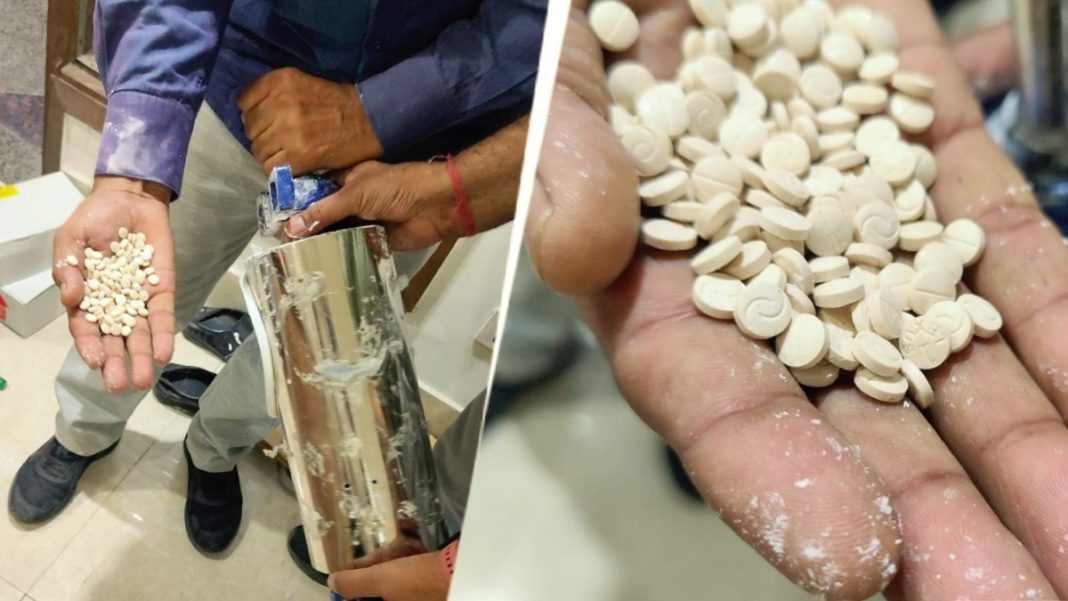
India, a nation strategically positioned at the crossroads of major trade routes, is increasingly facing new challenges on its drug trafficking front. While traditional narcotics like cannabis, heroin, and synthetic drugs have long been a concern, a relatively new threat has emerged, prompting significant alarm among law enforcement agencies: Captagon. Often dubbed the “Jihadi drug” due to its prevalent use in conflict zones, its recent seizures across Indian ports signal a worrying trend for national security and public health.
The term “Jihadi drug” itself evokes a sensational image, but understanding Captagon goes beyond its controversial moniker. Its increasing presence in India demands a clear, factual look at what this substance is, its origins, and why its trafficking poses a unique threat to the subcontinent.
What is Captagon? Unpacking the “Jihadi Drug”
Captagon is the brand name for fenethylline, an amphetamine-type stimulant (ATS). Chemically, it’s a combination of amphetamine and theophylline. While originally synthesized in 1961 as a legitimate medication for conditions like ADHD, narcolepsy, and depression, its severe addictive potential and side effects led to its ban in most countries by the 1980s, classified as a Schedule I controlled substance globally.
Users typically consume Captagon orally, often in tablet form. Its effects are potent: it induces a state of heightened alertness, euphoria, suppressed appetite, and a significant reduction in fatigue and the need for sleep. These properties explain its grim association with conflict zones. Fighters, particularly in the Middle East—Syria being a major production hub—have been known to use Captagon to stay awake for extended periods, suppress fear, and endure the brutal realities of combat without succumbing to exhaustion or emotional distress. This widespread, illicit use by combatants in volatile regions is precisely what earned it the infamous “Jihadi drug” label.
Beyond its immediate effects, prolonged use of Captagon can lead to severe mental and physical health issues, including psychosis, depression, cardiovascular problems, and extreme dependency. Its clandestine production, often in unsanitary and unregulated labs, means the tablets frequently contain unknown fillers and contaminants, further exacerbating health risks.
India’s Growing Concern: Seizures, Routes, and the Global Nexus
The alarm bells concerning Captagon in India are ringing louder with each successive seizure. Over the past year, various Indian agencies, including the Directorate of Revenue Intelligence (DRI) and the Narcotics Control Bureau (NCB), have intercepted significant quantities of the drug at major ports and airports. From Mumbai to Chennai and Gujarat, these seizures underscore India’s vulnerability, not just as a potential consumer market but also as a crucial transit point in the global drug trafficking network.
The quantities involved are staggering. In one notable incident, law enforcement seized thousands of Captagon pills disguised among legitimate cargo, highlighting the sophistication of the trafficking operations. Experts believe that the drug is primarily manufactured in the Middle East, particularly in Syria, where its illicit production has become a multi-billion dollar industry funding various factions and criminal enterprises. From there, it moves through established routes, often traversing the Arabian Sea, making India a logical, albeit unwanted, waypoint.
The presence of Captagon in India signifies a worrying expansion of its global reach. Its trafficking is often linked to organized crime syndicates and, alarmingly, to groups involved in funding extremist activities, blurring the lines between narcotics control and national security. The financial scale of the Captagon trade is immense, potentially rivaling and even surpassing other illicit drug markets. This makes its interception not just about public health, but also about disrupting the financial lifelines of dangerous networks.
A senior official from the Narcotics Control Bureau (NCB), speaking on condition of anonymity, highlighted the gravity of the situation: “The influx of Captagon isn’t just a law enforcement challenge; it’s a national security concern. Its production centres are far from our borders, yet its tentacles reach our shores, demanding a coordinated, multi-agency and international response to dismantle these sophisticated trafficking networks.“
The challenge for India is multifaceted. It requires enhancing intelligence gathering, strengthening coastal and border security, and fostering robust international cooperation with countries in the Middle East and beyond. Training for personnel to identify this specific drug and understanding its modus operandi are also critical. Beyond interception, there is a need for public awareness campaigns to educate citizens, especially youth, about the dangers of this potent stimulant, should it find its way into local consumption patterns.
The arrival of Captagon on India’s shores serves as a stark reminder of the evolving and complex nature of global illicit drug trade. As the country grapples with this new threat, a vigilant and comprehensive strategy will be paramount to safeguarding its future from the insidious influence of the “Jihadi drug.”

