


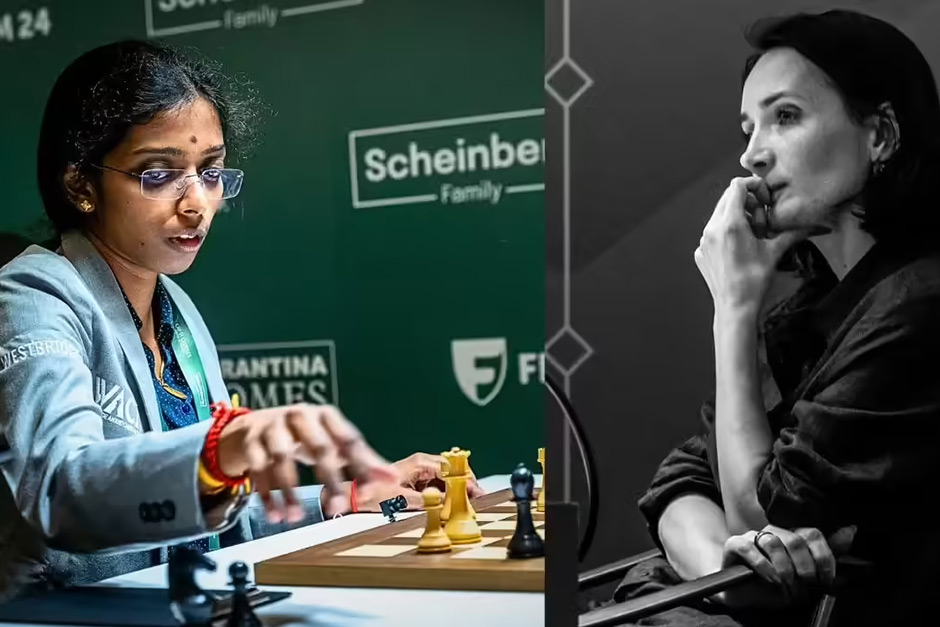
The chess world, and indeed India, is buzzing with the news of R Vaishali’s extraordinary triumph at the Women’s Candidates Tournament 2026. The 22-year-old Grandmaster from Chennai carved her name into history books, securing her spot as a challenger for the Women’s World Championship. Her victory was not just a testament to her skill but also a masterclass in strategic execution, particularly in her decisive final match against Russia’s Kateryna Lagno. It was here, amidst the high stakes, that Vaishali demonstrated her unparalleled ability to dissect and dismantle one of chess’s most formidable openings: the ‘Dragon Variation’ of the Sicilian Defense.
The Gruelling Gauntlet: Vaishali’s Path to Glory
The Women’s Candidates Tournament is arguably the most demanding event in women’s chess, a brutal test of endurance, nerve, and intellect. Bringing together the world’s elite female players, the tournament serves as the ultimate qualifier, with the winner earning the right to challenge the reigning Women’s World Champion. Vaishali’s journey through this labyrinthine competition was marked by unwavering focus and a relentless drive for victory. She navigated a field replete with seasoned Grandmasters and former world champions, showcasing a maturity beyond her years and an uncanny ability to perform under immense pressure.
Her consistent performance throughout the various rounds saw her accumulate crucial points, positioning her among the frontrunners as the tournament neared its climax. Each game was a battle, each point hard-earned, but Vaishali held her nerve, demonstrating a profound understanding of positional play alongside her renowned tactical flair. It all culminated in a tense final round showdown, where her destiny would be decided against the formidable Kateryna Lagno, a player known for her sharp and aggressive style.
Caging the Dragon: A Strategic Masterclass
The final game against Lagno was more than just a chess match; it was a psychological and strategic duel, with Vaishali playing White. Lagno, known for her combative approach, opted for the Sicilian Defense, Dragon Variation – an opening notorious for its sharp, complex, and double-edged nature. The ‘Dragon’ earned its fearsome name from the pawn structure on the kingside, which resembles a dragon’s tail, hinting at the explosive attacking potential it offers to Black.
Vaishali, however, was prepared. Instead of shying away from the complexities, she embraced them, meticulously executing a pre-planned strategy that sought to blunt the Dragon’s sharpest fangs. Her play was characterized by precise, prophylactic moves designed to restrict Lagno’s counterplay and prevent the typical kingside assaults that are the hallmark of the Dragon. She opted for a controlled build-up, slowly accumulating small advantages, rather than engaging in a premature tactical mêlée. Vaishali’s brilliance lay in her ability to identify and exploit the inherent structural weaknesses that can arise in the Dragon if Black’s pieces are not perfectly coordinated.
She maneuvered her pieces with surgical precision, establishing a strong central presence and denying Lagno the crucial squares her attacking pieces needed. The game progressed into a middlegame where Vaishali had successfully stifled Black’s attacking chances, creating an endgame where her superior pawn structure and active pieces provided a decisive edge. Lagno, finding her usual aggressive avenues blocked and her position increasingly cramped, eventually succumbed to Vaishali’s relentless pressure. It was a victory forged not just from tactical brilliance, but from a deep strategic understanding of how to neutralize an aggressive opening and convert a positional advantage.
“Vaishali’s preparation for the Dragon was simply exemplary,” commented Grandmaster Anish Giri in a post-match analysis. “She didn’t just meet Lagno’s aggression; she anticipated it, defused it, and then turned the tables with an incredible understanding of the subtle nuances of the position. It was a truly mature performance, showing why she’s ready for the World Championship stage.”
A New Dawn for Indian Chess
R Vaishali’s victory is more than a personal triumph; it’s a monumental moment for Indian chess. She now stands on the precipice of becoming a Women’s World Champion, a title that would further solidify India’s growing dominance in the global chess arena. Her success, alongside that of her younger brother, R Praggnanandhaa – who himself is a leading contender in men’s chess – paints a vibrant picture of the future of the sport in the country. Their joint achievements are unparalleled, inspiring a new generation of players, particularly young girls, to pursue their dreams in chess.
This historic win underscores the effectiveness of grassroots chess development in India and the dedication of its emerging talent. Vaishali’s ability to “cage the dragon” reflects not just individual genius but also the collective strength and strategic depth now prevalent in Indian chess. As she prepares for her World Championship match, the entire nation will be watching, hopeful for another chapter in India’s glorious chess saga.
Vaishali’s ascent is a beacon of inspiration, signalling a golden era for Indian chess. Her calm demeanor, sharp intellect, and formidable strategic play have positioned her as a force to be reckoned with, and her journey to potentially claim the ultimate title promises to be captivating.

