


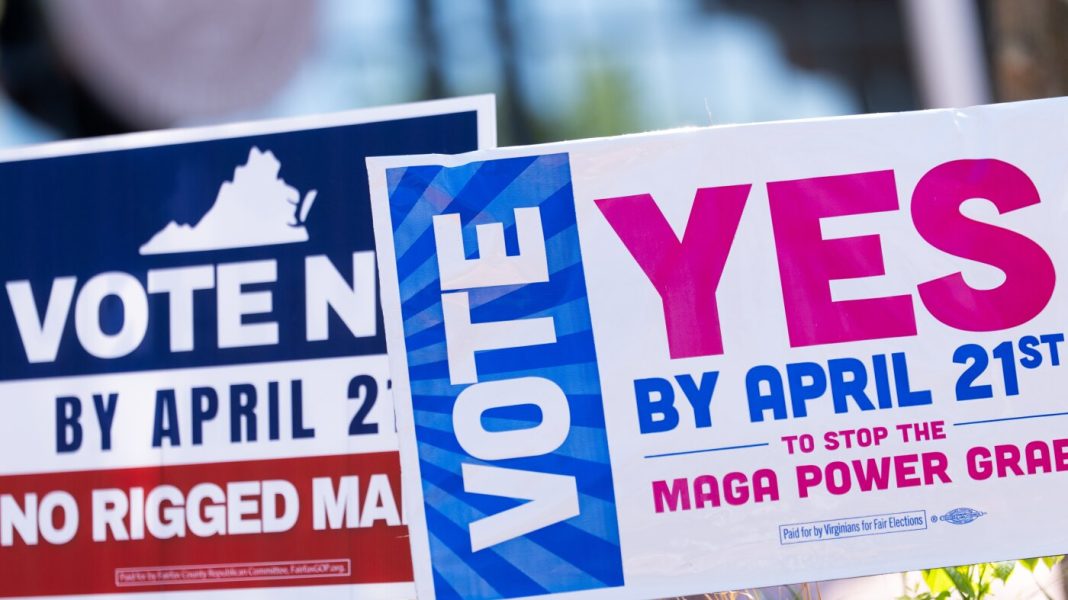
The political chessboard is constantly shifting, and few moves are as consequential as the drawing of electoral maps. In Virginia, a recent court decision regarding redistricting has sent ripples through the political landscape, leaving many Democrats feeling a fresh wave of disappointment. It’s a ruling that isn’t just about lines on a map; it’s about the ongoing, intense struggle for power that plays out across America, often seen as a critical battleground in the broader fight against the influence of Trump and the Republican Party.
The Invisible Hand of Redistricting
Redistricting, the process of redrawing electoral district boundaries, might sound like a technical, bureaucratic affair, but it’s anything but. These seemingly innocuous lines can determine who holds power for a decade, shaping legislative priorities, resource allocation, and even the very voice of communities. Imagine a neighborhood suddenly split between two districts, or an entire town grouped with an area that has vastly different interests. That’s the power of redistricting, often wielded by whichever party controls the state legislature and governorship.
For years, advocates for what they deem “fair maps” have been pushing for processes that prevent extreme partisan gerrymandering – the practice of drawing districts to give one party an unfair advantage. Democrats, in particular, have often found themselves on the defensive in states where Republican majorities have drawn maps that solidify their power, sometimes even in the face of shifting demographics. The goal, from their perspective, is to create districts where competitive elections are possible, where every vote truly has weight, and where the will of the people isn’t distorted by cleverly drawn boundaries.
Virginia’s Battle: A Setback for Democrats
Virginia has been a significant battleground in this ongoing struggle. With its evolving political landscape, Democrats had hoped for changes in the electoral maps that they believed would better reflect the state’s population and provide a more level playing field. The expectation was that new maps could lead to a more favorable environment for their candidates, potentially strengthening their position and helping them push back against the national Republican agenda, often associated with the continued influence of Donald Trump.
However, the recent court decision effectively dashed those hopes. The court said no to the proposed changes, leaving the existing framework largely intact. For many, this decision feels like a significant missed opportunity, a moment where the chance to reshape the political future of the state was lost, at least for now. It underscores the profound challenge of overcoming entrenched political power, even through legal avenues designed to ensure fairness.
“This ruling feels like a gut punch for those of us who believe in true representative democracy,” expressed Sarah Jenkins, a long-time civic engagement organizer in Richmond. “It’s a reminder that even when we fight tooth and nail for fair maps, the system can still deliver outcomes that favor partisan advantage. It makes the work harder, but it certainly doesn’t stop it.”
The Wider Implications for the Political Landscape
The Virginia ruling isn’t an isolated incident; it’s a piece of a much larger mosaic. Across the country, both major parties are engaged in a high-stakes game of political cartography, understanding that district lines drawn today will impact elections for years to come. For Democrats, victories in these redistricting battles are seen as crucial steps in building a firewall against what they perceive as an increasingly authoritarian and anti-democratic push from the Trump-aligned GOP.
This setback in Virginia means that Democrats will need to redouble their efforts in other states and look for different strategies to build legislative majorities and contest elections effectively. It highlights the long-term nature of political organizing and the need for persistent engagement, even when faced with frustrating judicial or legislative outcomes. The fight for political influence, state by state, district by district, remains fiercely contested, with every court ruling and every legislative session holding profound consequences for the nation’s future direction.
The road ahead for Democrats seeking to carve out more equitable electoral maps remains challenging. But the Virginia decision, while a blow, also serves as a potent reminder that the power of drawing lines is immense, and the fight to ensure those lines reflect the will of the people is one that will continue to define America’s political struggle.

