


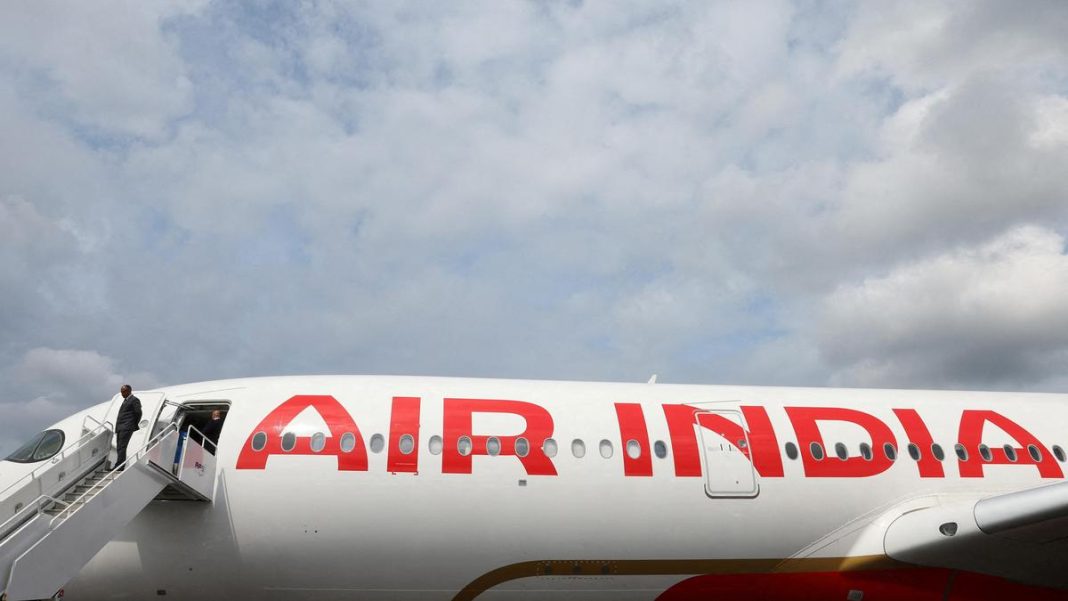
The ambitious revival of Air India under the Tata Group, while promising a new era for Indian aviation, has not been without its financial growing pains. A recent disclosure has brought this into sharp focus: Air India posted a staggering net loss of $2.79 billion (approximately ₹23,000 crore) for the fiscal year ending March 2023. This substantial deficit has had ripple effects, notably impacting the profitability of Singapore Airlines (SIA), a crucial partner in the Indian aviation landscape through its joint venture with Tata, Vistara, and the ongoing merger with Air India.
The Financial Fallout: Air India’s Losses and SIA’s Bottom Line
Air India’s significant loss is a reflection of its deep-seated challenges and the extensive overhaul efforts underway since its re-privatisation in January 2022. The period covered by the loss includes substantial investments in fleet renewal, technology upgrades, and employee retention, all critical components of its turnaround strategy. While these are long-term strategic moves, their immediate financial impact is considerable. Legacy issues, including an ageing fleet, operational inefficiencies, and a top-heavy cost structure, have also contributed to the red figures.
For Singapore Airlines, the impact stems directly from its 25.1% stake in Vistara, which is currently in the process of merging with Air India. Under accounting standards, SIA is required to reflect a proportionate share of the losses of its associate companies. Consequently, SIA reported that its net profit was dragged down by S$157 million (approximately $116 million USD) due to its share of Air India’s net losses for the same period. This figure underscores the complex financial interdependencies forged by strategic partnerships in the global aviation sector. While SIA itself posted a robust record annual net profit of S$2.16 billion, the Air India loss served as a notable counterbalance, highlighting the financial weight of the Indian carrier’s restructuring phase.
The Tata-SIA Partnership: Vistara’s Role and Merger Implications
The partnership between Tata and Singapore Airlines began with the launch of Vistara in 2015, aiming to establish a premium full-service carrier in India’s competitive market. This collaboration has since evolved into a strategic move to consolidate Tata’s aviation assets, with Vistara’s merger into Air India being a cornerstone. SIA’s continued investment in the revitalised Air India, following the merger, is set to increase its stake to 25.1% in the combined entity, representing an investment of ₹2,058.5 crore (approximately $250 million).
This long-term commitment by SIA is a testament to its belief in the potential of the Indian aviation market and Air India’s future under Tata’s stewardship. The merger is designed to create a single, stronger full-service airline capable of competing more effectively with both domestic rivals and international carriers. However, integrating two distinct airlines — Vistara’s modern fleet and service standards with Air India’s extensive network and legacy operations — is a monumental task. It involves harmonising fleet types, standardising service protocols, integrating IT systems, and managing human resources, all of which incur significant upfront costs and operational complexities.
“The immediate financial impact on SIA is a classic example of short-term pain for long-term gain,” commented an aviation industry analyst. “SIA is making a strategic bet on India’s burgeoning air travel market and the potential for a revitalised Air India to become a dominant player. The current losses are an investment in fixing legacy issues and building a foundation for future profitability and market leadership in a critical growth region.”
Navigating India’s Competitive Skies: Challenges and Opportunities
India represents one of the fastest-growing aviation markets globally, driven by a burgeoning middle class, increasing disposable incomes, and improving connectivity. This presents immense opportunities for Air India, especially with its recent massive order for 470 new aircraft from Airbus and Boeing. This fleet modernisation is crucial for enhancing passenger experience, improving operational efficiency, and expanding its global footprint. However, the Indian domestic market remains fiercely competitive, dominated by low-cost carriers like IndiGo, and increasingly by new entrants such as Akasa Air.
Air India’s challenge lies in balancing its legacy costs with the need to invest heavily in its future, all while navigating a price-sensitive market. The Tata Group’s vision is to transform Air India into a world-class airline, reclaiming its lost glory and leveraging India’s strategic geographical location to become a major international hub. This requires not just financial capital but also operational discipline, customer-centric service, and a robust global network. While the $2.79 billion loss signals the depth of the challenges faced, it also reflects the scale of investment and restructuring being undertaken to position Air India for sustained growth and profitability in the future.
Conclusion
Air India’s significant loss for FY23, while impacting Singapore Airlines’ profitability, must be viewed within the broader context of a massive transformation effort. For SIA, this is a calculated strategic investment in a key market, recognising that the path to a dominant Air India involves substantial short-term expenditure. The financial figures underscore the monumental task of reviving a legacy carrier, but also the resolute commitment from the Tata Group and its strategic partners to build a competitive and world-class airline. As Air India continues its journey of rejuvenation, its trajectory will remain a pivotal story in both Indian and global aviation.

