


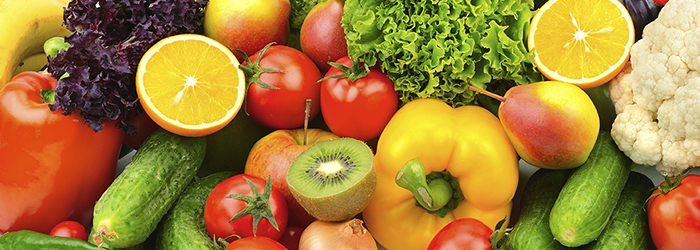
Ever wake up feeling like the internet has officially lost its mind? Because that’s precisely how I felt when I stumbled upon a headline so spectacularly nonsensical, it almost defied belief: “Study Claims Fruits and Vegetables Cause Cancer.” Yes, you read that right. Not excessive sugar, not ultra-processed foods, not smoking, but the very cornerstones of a healthy diet. My initial reaction? A mix of eye-rolls and existential dread for humanity’s collective intelligence.
Unpacking the Absurdity (and Why We Fall For It)
Let’s be clear: this isn’t just a quirky hot take; it’s a dangerous piece of misinformation masquerading as science. While the specifics of this alleged “study” are murky at best, and its methodology likely as robust as a wet paper bag, the fact that such a claim can even gain traction is deeply concerning. In an age where information spreads faster than a wildfire, sensationalist headlines designed to shock often bypass our critical filters. We see “study says,” and a tiny part of our brain, conditioned to trust scientific findings, might momentarily pause. But a quick reality check should set off alarm bells louder than a fire truck.
Think about it: decades of rigorous, peer-reviewed research from countless reputable institutions worldwide consistently advocate for a diet rich in plant-based foods to prevent chronic diseases, including various cancers. To suddenly flip this on its head requires evidence so groundbreaking, so irrefutable, it would rewrite entire medical textbooks. Spoiler alert: this “study” doesn’t have it. It preys on a desire for simple answers or, perhaps, a contrarian viewpoint that makes us feel smarter for questioning the norm, even when the norm is backed by overwhelming data.
As Dr. Anya Sharma, a nutritionist and public health advocate, aptly put it, “When you hear something so utterly contrary to established science, the first question shouldn’t be ‘Is it true?’ but ‘What’s their agenda, and where’s the credible data?’ Our health depends on discerning genuine insights from clickbait.”
The Enduring Truth About Produce
So, let’s calm the collective panic and reiterate what we do know. Fruits and vegetables are powerhouses of nutrients. They’re packed with vitamins, minerals, fiber, and antioxidants – compounds known to combat cellular damage, reduce inflammation, and yes, actively work to lower the risk of cancer and other chronic illnesses. Fiber, for instance, is crucial for digestive health and helps sweep carcinogens out of the body. Antioxidants like Vitamin C and E, beta-carotene, and countless phytonutrients protect cells from oxidative stress, a known contributor to cancer development.
The science isn’t just strong; it’s foundational. Major health organizations globally – the World Health Organization, the American Cancer Society, the Mayo Clinic, just to name a few – consistently recommend increasing fruit and vegetable intake as a cornerstone of cancer prevention and overall well-being. This isn’t a new fad; it’s a well-established scientific consensus, built on mountains of evidence from epidemiology, clinical trials, and laboratory studies.
To suggest otherwise is not only irresponsible but potentially harmful, especially for those who might be vulnerable to such misleading claims and decide to reduce their intake of vital foods. The real danger isn’t the apple in your hand; it’s the dubious “information” in your feed.
Don’t Let the Narrative Spoil Your Salad
In a world overflowing with information, the ability to critically evaluate what we consume – both literally and digitally – has never been more vital. When a claim sounds too wild to be true, it almost certainly is. Instead of ditching your broccoli for fear of a phantom cancer risk, reach for another serving of vibrant produce. Trust the overwhelming body of scientific evidence, not the latest shock-value headline designed to go viral.
Your immune system, your heart, your gut, and yes, your cancer-fighting defenses will thank you. Keep eating your greens, enjoy your berries, and most importantly, keep your critical thinking caps firmly on. Let’s not let absurd studies spoil our salads, or our health.

