


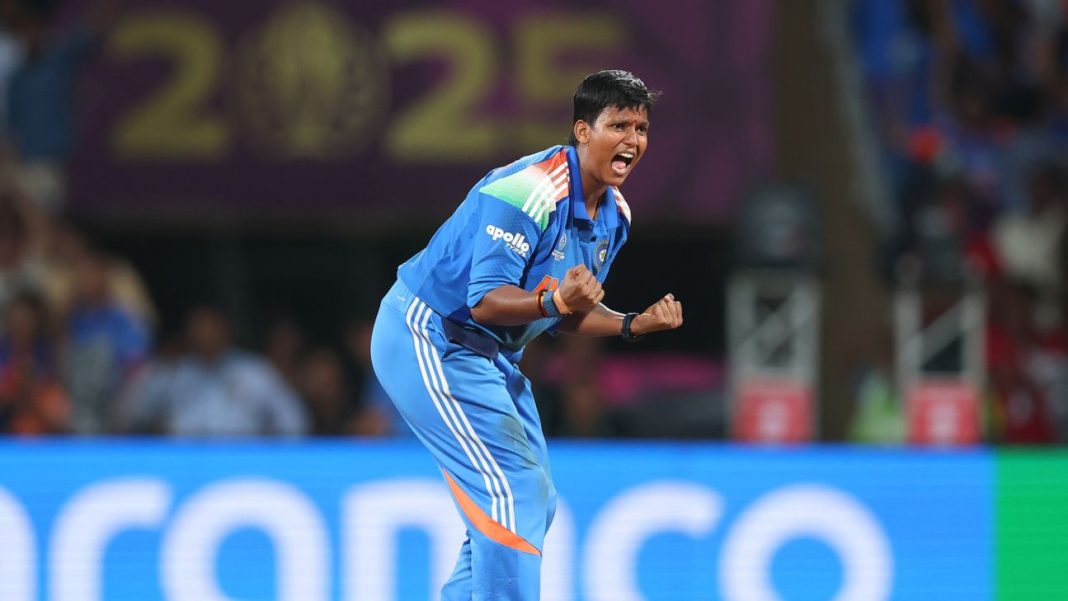
The exhilarating clashes between India Women and South Africa Women have, as expected, delivered high-octane cricket. While the Indian batting lineup has largely impressed, showcasing flair and resilience, a pressing concern has begun to overshadow their performances: the bowling attack. Specifically, the uncharacteristic slump in form of one of India’s most dependable all-rounders, Deepti Sharma, has added a significant layer of worry to an already scrutinized department.
Deepti Sharma, known for her frugal off-spin, vital breakthroughs, and handy contributions with the bat, has been a cornerstone of India’s white-ball plans for years. Her ability to control the middle overs, pick up crucial wickets, and stem the flow of runs has often been instrumental in India’s success. However, the ongoing series against South Africa has painted a different picture, raising eyebrows and prompting questions about the depth and efficacy of India’s bowling arsenal, especially as major tournaments loom.
The Uncharacteristic Dip in Deepti’s Form
Deepti Sharma’s recent performances have been a stark contrast to her usually reliable standards. Typically, she is among the most economical bowlers in the squad, consistently maintaining an enviable economy rate while chipping in with wickets. Against South Africa, however, her rhythm appears to be somewhat elusive. Her bowling figures have seen a noticeable decline in wicket-taking prowess, and more concerningly, an uptick in the economy rate, which is unusual for a bowler of her calibre who thrives on suffocating batters.
In various instances during the series, Deepti has struggled to provide the breakthroughs or the control that captain Harmanpreet Kaur has come to expect. Batters have found it easier to score off her, reducing the pressure that her bowling usually exerts. This isn’t merely about a couple of off-days; the consistency of this dip suggests a deeper issue, whether it’s a technical tweak gone awry, a confidence slump, or perhaps even fatigue. For a player who shoulders significant responsibility across all three departments, this individual form slump inevitably impacts the team’s overall balance and strategy.
Broader Bowling Concerns and Pressure on Others
Deepti’s struggles are particularly amplified because they highlight pre-existing vulnerabilities within the Indian bowling unit. India has historically relied heavily on its spin quartet, and while the likes of Radha Yadav and Asha Sobhana have shown glimpses of brilliance, the collective impact hasn’t always been consistent enough to dominate strong batting lineups. The pace department, featuring Renuka Singh Thakur and Pooja Vastrakar, has also had its moments but often struggles to provide consistent penetration and wicket-taking options, especially on flatter tracks.
When Deepti, the senior-most and most experienced spinner, isn’t at her best, the pressure inevitably mounts on the relatively younger or less experienced bowlers. This can lead to a domino effect, where others might try too hard, leading to further errors. The absence of a strong, consistent wicket-taking threat throughout the innings means opposition teams can often recover from early setbacks or accelerate effectively in the middle and death overs. This was evident in several phases of the matches against South Africa, where promising starts with the ball often gave way to partnerships that wrested momentum back.
A seasoned cricket analyst observed, “Every player goes through phases, and Deepti is a champion. The team management will be working closely with her to help her rediscover that magic touch. It’s crucial for the team’s balance. However, her current form does underscore the need for India to develop a broader pool of reliable bowlers who can step up.”
Searching for Solutions Ahead of Key Challenges
The challenges against South Africa serve as a timely wake-up call for the Indian team management. Addressing Deepti Sharma’s form, both technically and mentally, will be paramount. This could involve tactical adjustments, a change in her role, or simply providing the necessary support and space for her to work through this phase. Beyond Deepti, the broader strategy for the bowling attack needs re-evaluation.
The upcoming cricketing calendar features several crucial assignments, including the T20 World Cup. For India to be genuine contenders, their bowling unit needs to be robust, versatile, and consistently threatening. Developing pace options, identifying new spin talents, and ensuring all frontline bowlers are firing in unison will be critical. The current series has provided valuable, albeit concerning, insights into where the team stands and where urgent improvements are needed.
In conclusion, while individual form fluctuations are part and parcel of professional sport, Deepti Sharma’s slump is more than just a personal blip; it’s a symptom reflecting deeper concerns within India’s bowling attack. The team’s ability to rally around its key players, foster new talent, and strategize effectively to overcome these bowling worries will largely determine its success in the demanding international arena going forward. The onus is now on the coaching staff and players to find solutions swiftly.

