


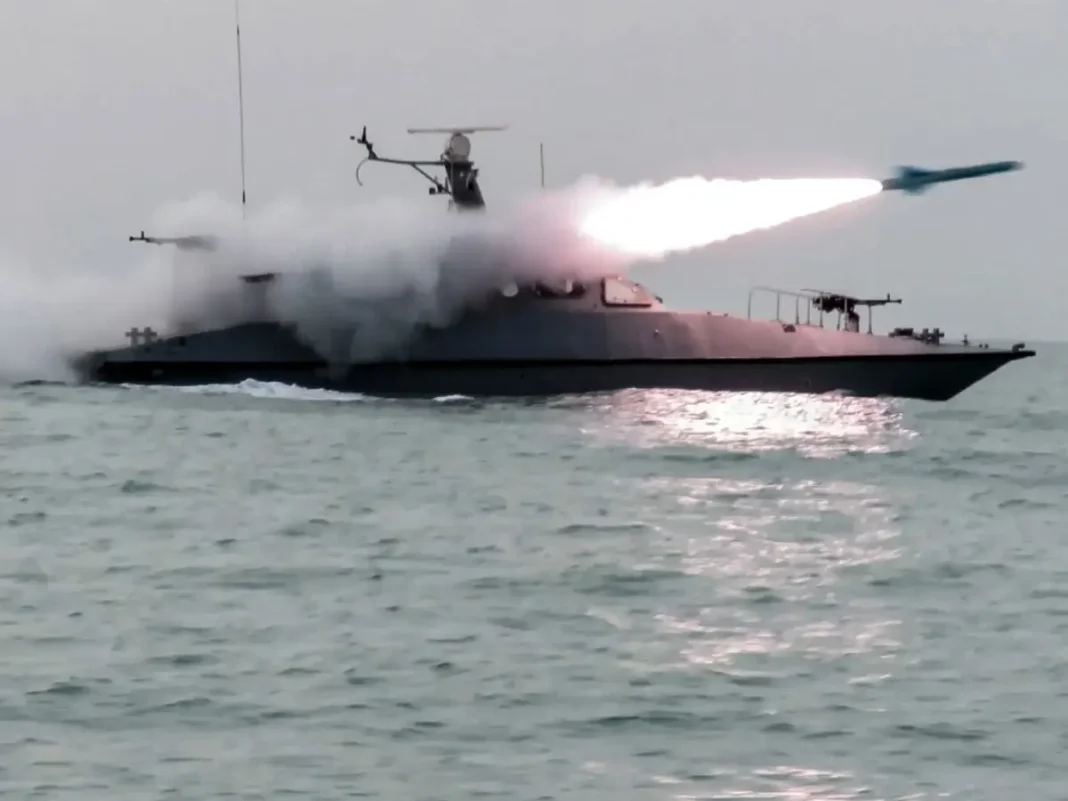
In the vast expanse of the Indian Ocean, a silent guardian often patrols the waters, less imposing than a destroyer but far swifter and equally vital to maritime security. These are the fast-attack boats, or Fast Attack Craft (FACs) – a category of naval vessel increasingly crucial to India’s coastal defence and regional strategy. While larger warships like frigates and aircraft carriers often capture headlines, FACs represent the nimble, vigilant eyes and ears of a nation’s maritime forces, providing an essential layer of protection for our extensive coastline and critical sea lanes.
For a country with over 7,500 kilometres of coastline and a sprawling network of island territories, understanding the role and capabilities of these craft is paramount. They are not merely small boats; they are sophisticated instruments designed for speed, agility, and precision, playing a disproportionately large role in protecting India’s maritime interests against a spectrum of modern threats.
Defining the Fast-Attack Craft
Fast-attack boats are, at their core, relatively small warships designed for high speed and equipped with potent offensive weaponry. Typically ranging from 20 to 60 metres in length, their distinguishing characteristics include a shallow draft, enabling operations in littoral (near-shore) waters, and powerful propulsion systems that allow them to achieve speeds upwards of 30-40 knots. This combination of speed and maneuverability makes them exceptionally difficult targets for larger, slower vessels.
Despite their compact size, FACs often carry an impressive arsenal. This can include anti-ship missiles, torpedoes, rapid-fire cannons, and heavy machine guns, providing substantial firepower against surface threats. Their primary missions include coastal patrol, interception of suspicious vessels, anti-piracy operations, maritime interdiction, and even limited anti-surface warfare in swarm tactics. They excel in scenarios requiring quick response and discrete presence, making them indispensable for nations like India facing multifaceted maritime security challenges.
India’s Coastal Guardians: Fleet and Strategic Role
For India, fast-attack boats are a cornerstone of both the Indian Navy and the Indian Coast Guard (ICG). The tragic 26/11 Mumbai attacks starkly highlighted the vulnerabilities of India’s coastal security, prompting a significant enhancement of maritime patrol capabilities. FACs have since emerged as critical assets in plugging these gaps.
The Indian Navy operates various classes of FACs, such as the Car Nicobar-class and the Super Dvora Mk.II/III series, built both domestically and acquired from international partners. These vessels are deployed across India’s naval commands, safeguarding crucial maritime infrastructure, preventing infiltration, and responding to emerging threats. Similarly, the Indian Coast Guard extensively utilises FACs for law enforcement at sea, search and rescue operations, and environmental protection. Their speed is vital for intercepting smugglers, apprehending poachers, and responding to distress calls in the vast Indian Exclusive Economic Zone.
In the broader strategic context of the Indian Ocean Region (IOR), FACs provide India with flexible naval power projection for regional stability. They can quickly reinforce maritime boundaries, participate in joint exercises with friendly nations, and act as a deterrent against hostile activities. As Rear Admiral (Retd.) K. Raja Menon once observed, “Fast attack craft are the unsung heroes of coastal defence. Their ability to deliver a heavy punch with speed makes them invaluable in an environment where response time is critical.”
The Evolving Landscape of Coastal Defence
The role of fast-attack boats continues to evolve with advancements in technology and changing threat perceptions. Modern FACs are increasingly integrating advanced sensor suites, sophisticated communication systems, and network-centric warfare capabilities, allowing them to operate effectively as part of a larger naval force. The emphasis is also shifting towards greater automation, enabling smaller crews to manage complex operations.
India’s “Make in India” initiative in defence production is also significantly impacting the development and acquisition of FACs. Indigenous shipyards are actively involved in designing and constructing these vessels, tailoring them to specific Indian operational requirements and climatic conditions. This self-reliance not only boosts the domestic defence industry but also ensures a consistent supply of these vital assets, equipped with cutting-edge technology.
As maritime threats become more diverse – ranging from state-sponsored aggression to asymmetric challenges like terrorism and illegal trafficking – the agility and focused firepower of fast-attack boats will remain indispensable. They represent a smart, cost-effective solution for maintaining vigilance, deterring adversaries, and securing India’s vast maritime interests, proving that sometimes, the most potent force comes in a compact, swift package.

